

 AI-Powered
 How Soil Densification Combats Foundation Settlement
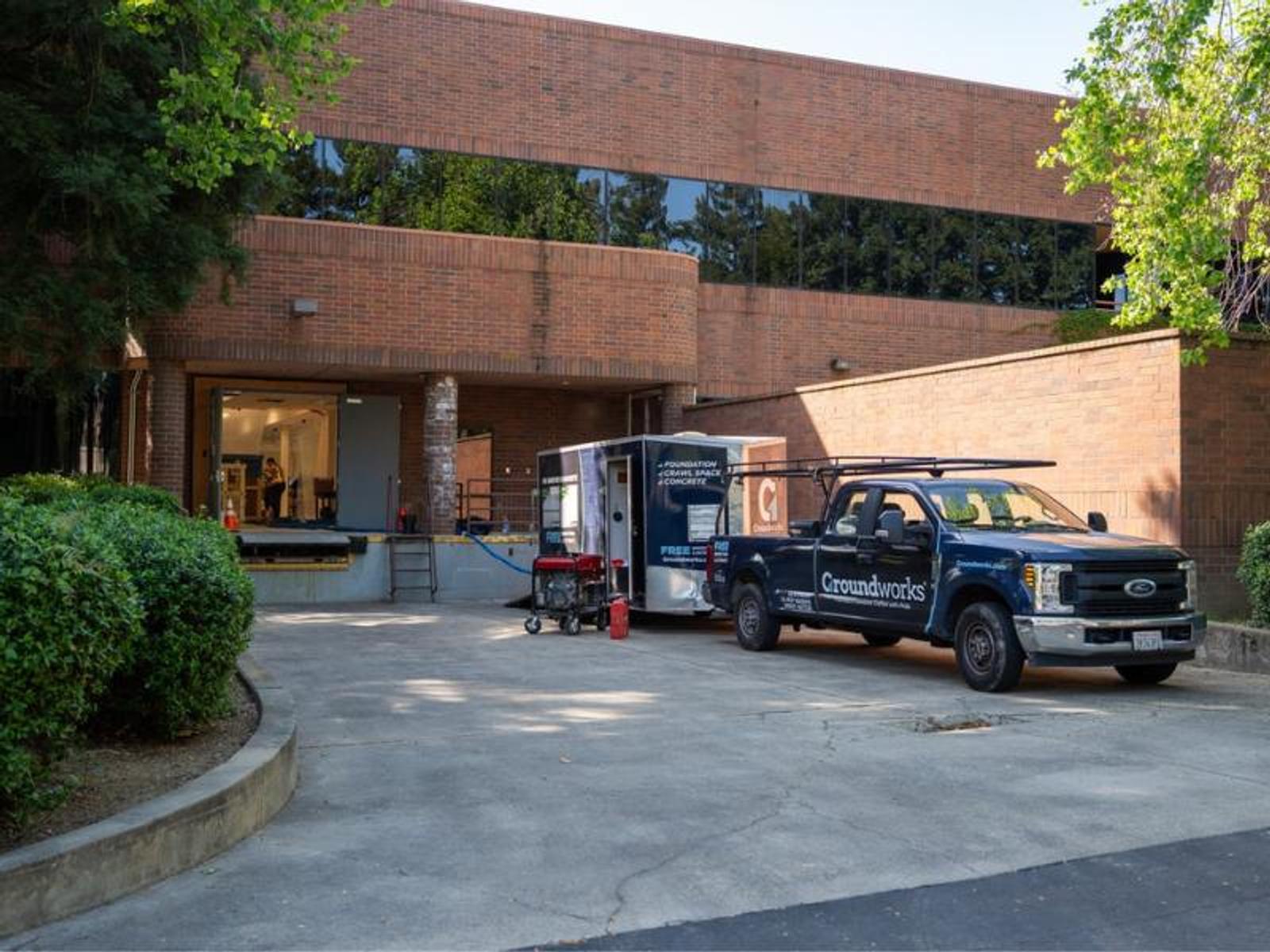
At first glance, loose soil may not seem like a serious concern—but beneath commercial and industrial buildings, it can quietly set the stage for significant structural issues. Unstable or shifting soil conditions are a leading cause of foundation settlement, a problem that can disrupt operations and lead to costly repairs. In this article, we’ll explore how problematic loose soils contribute to settlement and how Groundworks uses polyurethane injection for Soil Densification to stabilize and strengthen the ground beneath your property.
How Loose and Shifting Soils Cause Foundation Settlement
Loose soils lack the density and strength needed to support the weight of a commercial or industrial structure. Over time, this can lead to downward movement as the soil shifts—causing the foundation above to settle unevenly or sink.
Signs Soil Densification May be Needed
- Excessive Settlement: If portions of your foundation or flooring are sinking or shifting, it could indicate that the soil beneath your structure has shifted or eroded. This type of movement is often gradual but can result in uneven surfaces, misaligned doors and windows, and long-term structural damage.
- Exposure to Vibration: Buildings near roadways, rail lines, or operating heavy machinery may experience soil that shifts or loosens due to frequent vibration. If your structure shows signs of movement or instability after exposure to regular vibrations, soil densification may be necessary to restore support.
- Low Load Capacity: Some soil types, especially loose fill or improperly compacted backfill, aren’t strong enough to carry the weight of a commercial building. This becomes more apparent when adding heavy equipment, expanding the structure, or after prolonged use. Reinforcing the soil beneath can prevent future settlement and load-related failures.
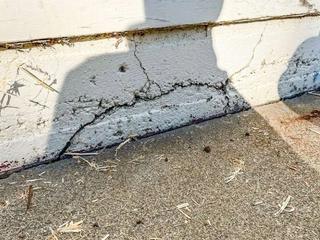
- Surface Cracks or Shifting: Cracks in walls, floors, and the foundation of your structure can be an early warning sign of underlying soil problems. These shifts may indicate that the soil is eroding or settling unevenly, and that support below the surface is compromised.
- Void Formation and Soil Loss: If your building is experiencing soil loss, you may notice rocking slabs. Rocking slabs are concrete slabs that shift, wobble, or rock, especially when being rocked on or driven on. Rocking slabs increase the likelihood of accidents in commercial and industrial facilities. You may also notice visible soil loss around the perimeter of the building.
The Groundworks Soil Densification Solution
At Groundworks, we use polyurethane injection to densify loose or unstable soils beneath commercial and industrial structures. This process involves injecting expanding polyurethane foam into the ground. As the foam expands and cures, it increases soil load-bearing capacity and stabilizes the structure above.
Here are a few reasons commercial property owners and project managers choose Groundworks for soil densification:
- Enhanced Load Capacity: Our polyurethane systems compact loose soil and increase its strength, providing greater support for heavy structures and equipment. This is especially critical in facilities where load demands exceed what the native soil can handle.
- Non-Invasive Process: Because polyurethane is injected through small rods placed into holes drilled into the ground, there’s no need for digging, hauling, or downtime. This approach is ideal for active job sites and occupied buildings where disruption must be minimized.
- Tailored to Project Needs: Every site has unique soil profiles and structural requirements. Our team evaluates the conditions beneath your building and recommends a solution specifically planned to meet your load, depth, and stability needs.
- Quick and Long-Lasting: Polyurethane sets rapidly—often within minutes—allowing for fast stabilization with minimal interruption to operations. Once cured, the material resists moisture, erosion, and degradation, delivering long-term performance.
- Versatile Applications: From manufacturing plants to warehouse floors, roadways, railways, and ports, our soil densification process adapts to nearly any project. It’s a practical solution for both new construction and retrofit stabilization.
Unstable soils can silently threaten the safety and performance of commercial structures—but with the right solution, those risks can be mitigated quickly and effectively. Groundworks offers proven soil densification services using high-performance polyurethane injection to strengthen the ground beneath your building without excavation or downtime.
If you’re noticing signs of settlement or want to proactively reinforce your foundation, contact Groundworks today to schedule a site evaluation and explore customized solutions for your property.
In some instances, soil is so loose or eroded that it is extremely compromised. In those cases, Groundworks Commercial offers foundation underpinning.