

 AI-Powered
 Mitigate Liabilities by Resolving Trip Hazards
Trip Hazards: More Than Just a Safety Concern
Trip hazards put business owners at risk for more than just falls. These hazards are also a liability, opening up potential litigation from employees, customers, or anyone visiting your commercial facility. Most business owners don’t plan for lawsuit costs and at Groundworks Commercial, we believe they shouldn’t have to. Instead, commercial property owners should consider trip hazard mitigation for their concrete surfaces. This fast, minimally disruptive service protects your business from the potential costly consequences of litigation caused by trip hazards. Continue reading to learn why these hazards are costly and how our team at Groundworks puts an end to them.
Why Are Trip Hazards Costly for Commercial Businesses?
What might look like a minor uneven surface can create serious financial and legal risks. Trip hazards can impact your business in more ways than one:
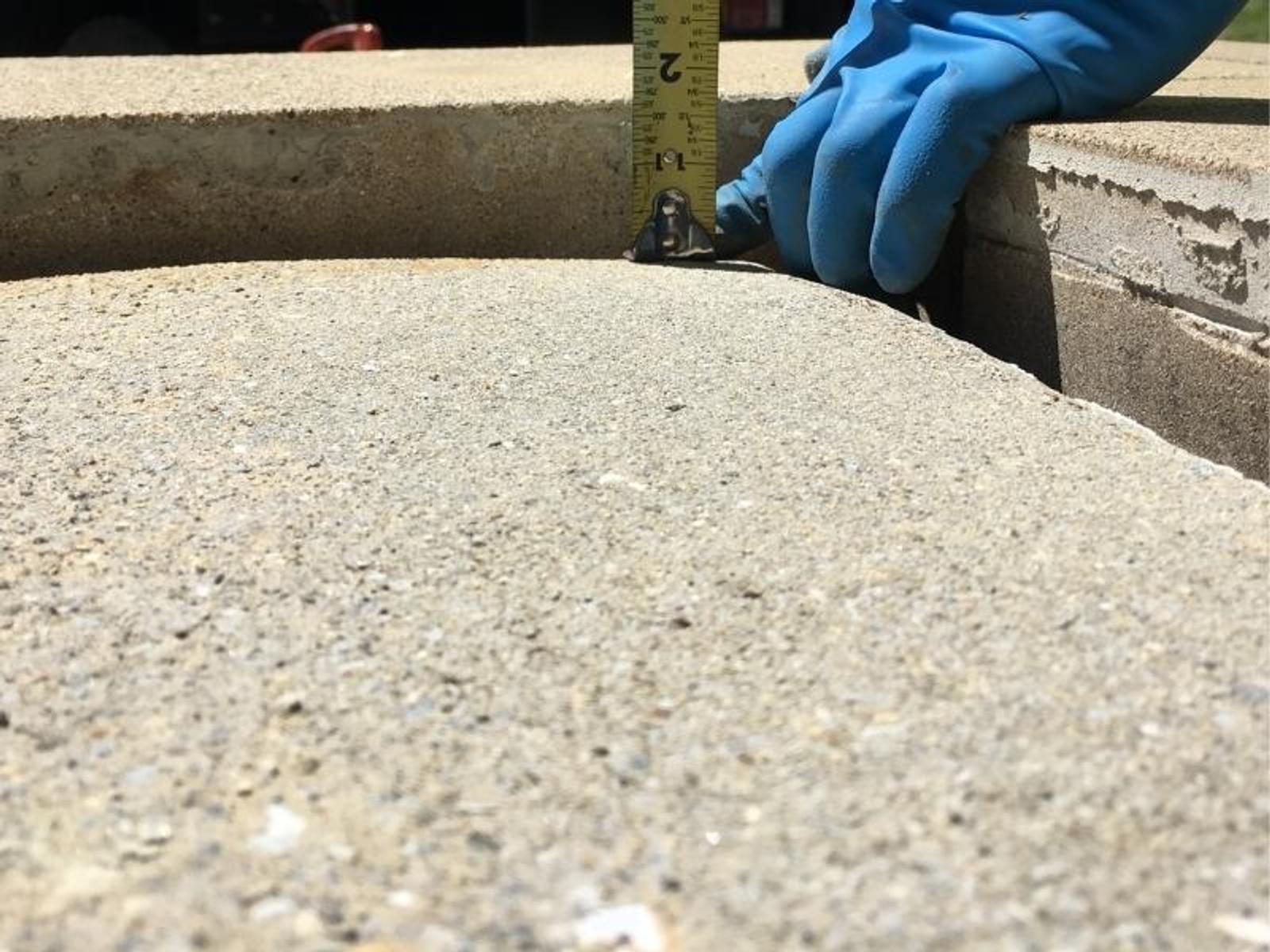
- Regulatory Fines: The Americans with Disabilities Act (ADA) defines a trip hazard as any change in surface height of ¼ inch or more. Non-compliance can lead to citations and fines and could increase your exposure to lawsuits.
- Lawsuits and Legal Fees: Injuries from trip hazards can lead to costly personal injury claims. Beyond potential settlements, you’ll also face legal fees, court costs, as well as the time and stress of litigation.
- Reputation Damage: One publicized incident can damage your business’s image. Customers, tenants, or visitors who experience unsafe conditions may leave negative reviews or avoid your property altogether.
- Insurance Issues: Preventable injuries can result in higher premiums or even loss of coverage altogether. Insurers may view ongoing hazards as a sign of negligence.
- OSHA Violations: If your business is subject to Occupational Safety and Health Administration (OSHA) regulations, unaddressed trip hazards could lead to violations, inspections, and penalties.
Trip Hazard Mitigation for Concrete Surfaces from Groundworks
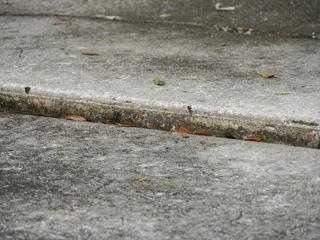
At Groundworks Commercial, we make trip hazard mitigation fast and simple without major disruptions to your business. Our polyurethane injection method stabilizes soil, fills voids, and relevels uneven concrete.
Here’s how it works: Small holes are drilled into the concrete, and a high-density polyurethane is then injected beneath the surface to fill voids and support the slab. As it expands, it lifts the concrete back into place, aligns uneven joints, and eliminates the hazard in minutes. This quick curing solution provides immediate structural support, lifts the concrete back to grade, and returns the joints between concrete slabs to matching heights, thereby ending trip hazards.
Don’t wait until a fall or a lawsuit forces your hand. Take action today to protect your property, your people, and your peace of mind.