AI-Powered
 Build Smarter on Stable Soil
For home builders in regions with expansive clay soils, ground movement is more than a nuisance—it’s a financial liability. Slabs crack, foundations shift, and warranty claims pile up, all because the soil underneath was never treated. In Texas and other clay-heavy regions, stability starts before the pour.
With expansive clay soil stabilization for home builders, the Eco-Soil Process offers a pre-construction soil treatment that reduces movement, prevents damage, and protects your builds from the ground up. It’s the proactive choice for builders who want to protect their margins and reputations.
Reduce Risk. Protect Profit.
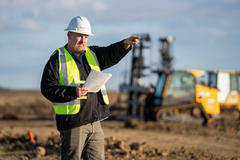
Every slab you pour on untreated clay is a potential callback waiting to happen. The Eco-Soil Process helps you break the cycle by treating expansive soils before construction begins. Our process minimizes future movement and reduces your exposure to warranty claims, structural issues, and lost time.
Eco-Soil works alongside your existing site prep process—no disruption, no redesign, just stronger results.
Expansive Soils Cause Expensive Damage
Soils with high plasticity index can cause severe slab-on-grade movement, particularly in areas like DFW, Houston, and Central Texas. Even minor moisture changes can trigger major shifts in untreated soils. For builders, this means cracks, settlement, and financial exposure long after the job is done.
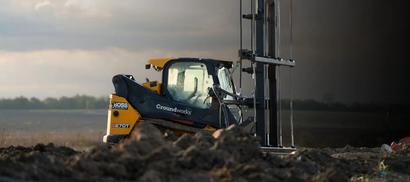
- Clay Moves with Moisture: Soil expansion and shrinkage can push or drop slabs out of alignment.
- Most Builders Rely on Moisture Conditioning Alone: Traditional methods often fail during long dry/wet swings.
- Warranty Claims Hurt Your Brand: Post-sale issues erode builder reputation and profit margins.
- Volume Changes = Design Challenges: Slabs must be overbuilt to compensate for poor soil performance.
- Reputation is Everything: Structural issues—even a few—can hurt referrals and customer trust.
Stable Soil, Solid Homes. Learn how Groundworks supports new home developments.
A Builder’s Tool for Stability
Eco-Soil integrates into your pre-pour process to reduce the risk of slab movement caused by expansive clays. With no excavation and minimal disruption, this chemical injection process increases soil density, reduces plasticity, and delivers lasting performance where it matters most—beneath the slab.
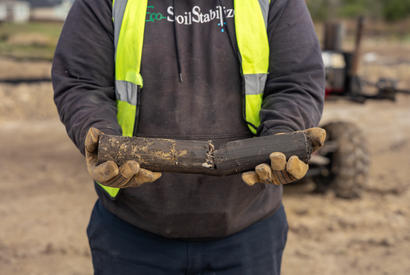
- Prevent Slab Movement: Mitigate the risk of vertical and lateral movement in active soils.
- Protect Warranty Margins: Reduce long-term liability and post-sale repair costs.
- Simplify Designs: Lower soil risk means fewer overengineering requirements.
- Streamline Scheduling: No delays from rework, soil disputes, or mid-build stabilization.
- Stand Out in the Market: Offer a more stable product—and promote it as part of your value.
- Works with Your Existing Process: No excavation or formwork changes required.
Names You Know Trust Groundworks with Their Toughest Foundation Issues