

 AI-Powered
 Why Commercial Businesses May Need Foundation Repair
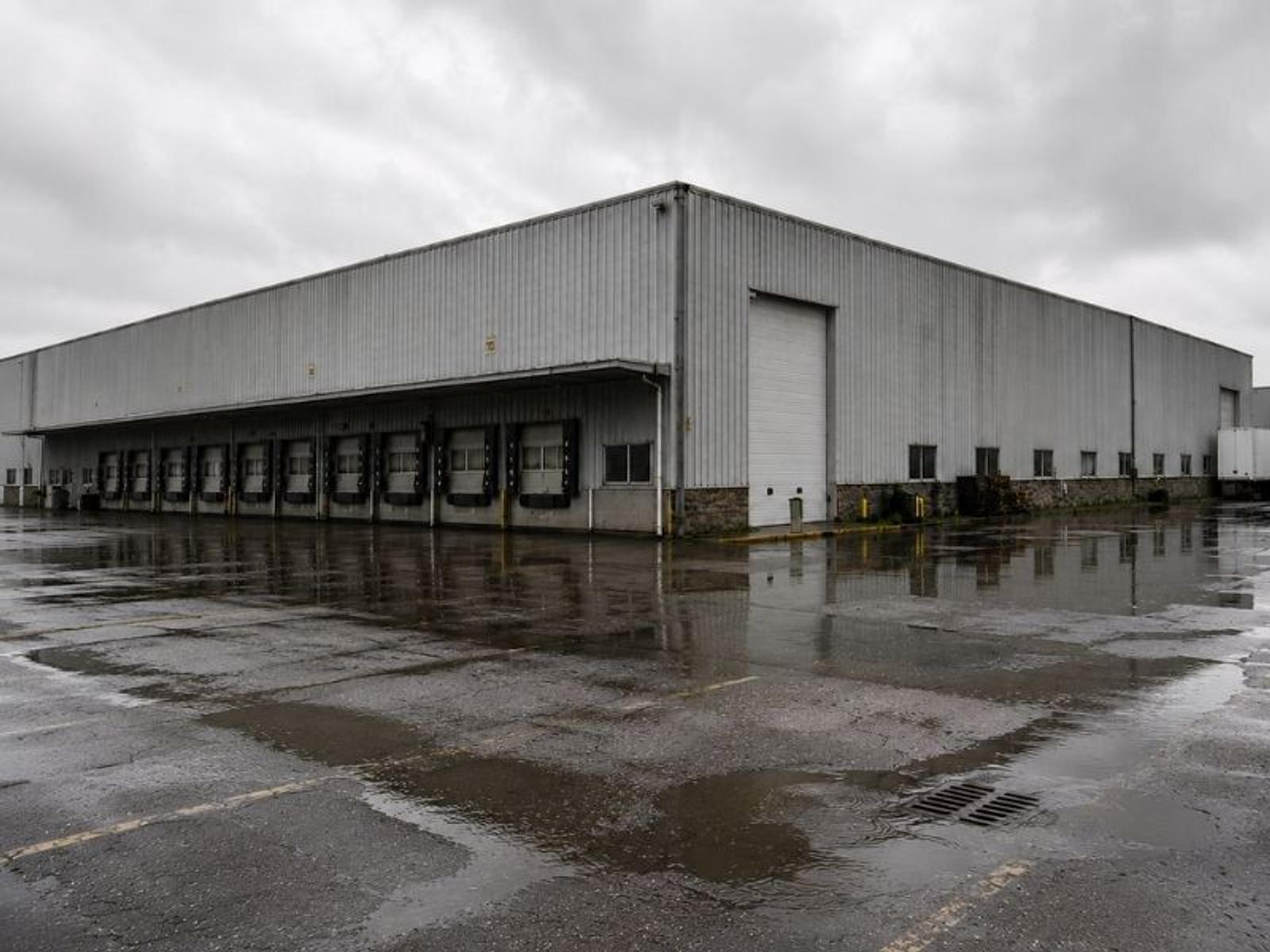
Commercial buildings are vital to the operations of many businesses. It provides space to create or store products, supports your employees’ daily work, and plays a direct role in your company’s success. When foundation damage occurs, however, it can threaten operations through structural issues, increased liability, and costly maintenance concerns.
Even with diligent upkeep, you may wonder how your building could be at risk. In many cases, the cause lies beneath the surface. The foundation your commercial facility depends on can be compromised by an often unseen factor: changing soil conditions. In this article, we’ll examine how soil conditions impact commercial foundations and the key factors that can result in the need for foundation repair.
The Causes and Signs of Foundation Damage
Many factors can contribute to commercial foundation damage. Here are some of the risks factors for foundation problems:
Risks and Causes of Foundation Damage
- Plumbing Leaks and Burst Pipes: Plumbing leaks and broken pipes can wash away soils beneath the foundation, leading to settlement.
- Heavy Rain Events: Extended periods of rain, floods, hurricanes, and other meteorological events can wash away support soils from beneath a building.
- Poor Drainage and Ineffective Water Management: If the drainage around your building is aged, inadequate, or non-existent, even light rain events can allow water to pool around your foundation. As this pooling water drains, it can wash away soils and leave behind water damage.
- Vibration: Vibration, whether from nearby construction, roadways, or seismic activity, can allow soil consolidation or movement, which can then affect your foundation.
- Soil Type and Location: The type of soil and location of your facility may be a risk factor. If your facility is built on expansive clay soils, over construction debris, or is located in areas where freeze-thaw cycles occur, the building may experience the constant pushing and pulling of everchanging soil conditions.
If any of these problems sound familiar to you, you may be at risk for foundation damage.
Signs of Foundation Damage
Now that you know what factors may put your facility at risk, you should also be aware of these symptoms of foundation damage:
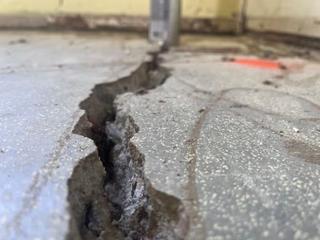
- Cracks: Cracks can occur in many places when foundation damage is occurring. You may notice cracks in the foundation itself, floor cracks, and wall cracks.
- Visible Soil Loss: Soil loss from around the perimeter of your foundation may be visible.
- Differential Settlement: Floors may become uneven, with height differentials throughout.
- Gaps Between Floors and Walls: When foundation settlement is occurring, you may notice gaps opening where your floors and walls meet.
- Doors and Windows: If doors and windows seem to be misaligned and no longer open or close properly, foundation settlement may be the cause.
- Spread Footings and Support Columns: Spread footings and support columns may show signs of distress, such as settlement, cracks, and soil loss. These structures help support the weight of heavily loaded commercial buildings, and when compromised, the building may be at risk for more structural damage.
How Groundworks Can Resolve Commercial Foundation Damage
Foundation damage caused by settlement, water intrusion, or weakened soils can disrupt operations and create safety concerns. Groundworks offers proven solutions, including polyurethane injection, helical piles, and push piers to stabilize foundations and protect commercial properties from further damage.
Understanding how soil conditions impact your foundation is key to preventing costly repairs and long-term structural issues. At Groundworks, we specialize in early detection and proactive foundation stabilization solutions designed to address problems before they escalate.
Contact Groundworks today to schedule a free comprehensive evaluation and receive a tailored plan to safeguard your commercial investment. Taking action early helps ensure your building remains a safe, stable foundation for your business.