

 AI-Powered
 Fire Resistance: Class A Fire Rating
Like water, fire can be a great ally as well as our worst enemy.
According to the National Fire Prevention Agency, in 2021 fire departments across the country respond to over 1.4 million fire calls every year. Fires are responsible for countless injuries, deaths, and property damages that cost billions of dollars. Fire safety should be
To protect homes and occupants, local building codes stipulate measures such as the use of fire resistant materials and fire systems.
You need to understand how different materials impact your home. Let’s delve into fire resistance, ratings, and the type of materials that provide the best protection against accidental fires.

What’s Fire Resistance?
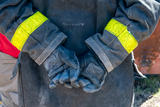
Fire resistance is the property of materials that enables them to prevent or retard the transfer of flames, hot gasses, and heat from a fire.
In layman’s terms, fire resistance is a material treated to withstand fire and be less flammable.
Fire Resistance Rating System
The Class A fire rating is the most stringent standard available for building materials. It’s usually assigned to retardants that have a flame spread rating of between 0 and 25 during fire tests.
Any material with this rating typically has a lower flame spread and a better performance rating than Class B or Class C material.
Materials with a Class A fire rating provide the greatest fire resistance. They can also withstand fire caused by ordinary combustibles items like wood, cloth, paper, trash, and some plastics.
Fire Resistance Rating
The fire resistance rating is the length of time a specific material can withstand a particular fire test. It is usually determined by measuring the ability of a fire protection material or assembly to hold out against a normal fire.
Sometimes, the fire rating is measured using set criteria that determine a material’s ability to perform a given structural function when exposed to fire. Other methods or procedures for determining fire-resistance include:
- Designs of elements that have fire-resistance ratings
- Design documentation from approved sources
- Comparison of the fire resistance of a building element and its design
The Requirements of Your Local Building Code
When talking about the Class A fire rating, it’s key to understand the business codes in your local area. The local building code is a set of rules that requires buildings and other structural elements to be up to certain standards. The purpose of a local building code is to maintain public safety and health at the highest level.
That said, you are required to follow the same safety standards no matter which materials you intend to use. Construction crews need to build structures that will meet set performance standards and include active and passive fire safety features. Active fire safety means considering protection that will help extinguish a fire. On the other hand, passive features will prevent the accident from happening in the first place.
Many building codes prohibits you to use ignitable materials inside the structure if they don’t have a Class A fire rating. This is because all other fire ratings don’t offer enough safety to structures and people inside during a fire situation. Yet, a homeowner can incorporate flammable piping with partitions if they do it according to provisions of both the building and international plumbing code.
Construction Materials
It’s important to state that when building or repairing a home, you should always use non-flammable, Class A fire-rated materials to increase your safety. In what follows, we’ll point out some of the best materials with these features that you can use for different parts of your home.
Roof coverings: Not all roof coverings will have the same fire rating. Therefore, it’s best to look for ones with a Class A tag. These include fiberglass shingles, concrete, asphalt, and even clay tiles. In case you come across roofing materials that have a stamp that says they’re Class A assembly fire-rated, don’t worry. This is just a fancy way of saying you can insert other materials between them, and they’ll still maintain the highest standard.
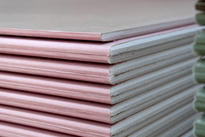
Wall construction: Walls are no different when it comes to keeping an eye on fire ratings. This is especially true for interior walls or while partitioning a non-symmetrical building. You should make sure construction crews build fire-resistant and fire-tight walls without loose openings. This will ensure that the walls won’t collapse in the event of a fire, even if the rest of the structure caves.
Below-grade areas: Both basements and crawl spaces need to meet insulation requirements to be fire-resistant. Below-grade area walls should have three-inch R-15 insulation on either the exterior or interior. You can also use R-19 or R-13 cavity fiberglass to cover the interior walls.
The insulation should spread from the top to the bottom with a 24-inch extension beyond the grade level. We would also recommend a vapor barrier if you have a crawl space without vents.
Keeping Your Home Safe
Most local building codes require you to install, repair, and maintain your fire protection system accordingly. You can also add to it by installing other systems that are not mandatory if you want more safety. Either way, it’s key to have proper insulation as this will help with heat retention and fire protection. You should check out materials such as vapor retarders, membranes, and single or multilayer foil to meet the local building code requirement.
Although active fire suppression systems sound more attractive to regular homeowners, it’s the passive ones that will do the best job. Prevention is always better than the cure and passive systems will control the fire as it starts to light up. Therefore, we suggest that you consult professionals about fire-resistant walls, floors, and open spaces.
The Importance of Fire-Resistant Materials in Basements and Crawl Spaces
To protect your property and loved ones from the devastating effects of fire, it’s crucial to use fire-resistant materials in your basement or crawl space.
Your basement or crawl space is often home to:
- Electrical wiring
- Your furnace
- Hot water heater
- Other heating equipment
All these appliances are prone to fires.
By incorporating fire resistant materials such as gypsum board, mineral wool insulation, and fire-resistant coatings, you can slow down or prevent the spread of flames during a fire.
In addition to potentially saving lives, using fire resistant materials can reduce the damage caused by fires.
Certain building codes require fire-resistant materials in basements and crawl spaces to comply with safety regulations.
Protect Your Home with Groundworks’ Free Inspections
If you’re looking to insulate your basement or crawl space, look no further than Groundworks.
Our team will come to your home and inspect the state of your lower-grade level for free.
Afterward, they’ll offer solutions that includes fire resistant materials to ensure your family’s and home’s safety.
Contact us now to schedule a free inspection and prevent any fire-related accidents in the future by being proactive.