

 AI-Powered
 Floor joists are an integral part of any building’s structure, providing support and stability to the flooring above. They are usually found in homes with an open area below them, like a basement or crawl space.
Joists are horizontal boards that form a frame which the floor can be built upon. They run perpendicular to beams, and consist of different kinds of material, such as steel or wood depending on the climate.

Generally housed within wall cavities, they prevent large amounts of weight from transferring down the walls. Instead, joists allow this weight to evenly distribute across the home or building.


Types of Floor Joists
- Solid Lumber Joists are made from sawn lumber, typically in various sizes.
- I-Joists are made from oriented strand board (OSB) or laminated veneer lumber (LVL) and shaped like an “I” with top and bottom flanges connected by a web.
- Open Web Joists are lightweight and arranged in a triangular or rectangular pattern, making it easier to accommodate HVAC, plumbing, and electric wiring.
Each type of floor joist has its pros and cons. Knowing which type you have below your home can make repairs or remodels more streamlined.
Why Knowing What Floor Joists You Have is Important
Just like any part of your home, having more knowledge about your floor joists is important. As a homeowner, even understanding the basics can have a huge impact in several ways:
Safety
Floor joists are a critical part of the structural integrity of your home. Knowing the type, current condition, and load-bearing capacity of your floor joists can help you identify potential safety hazards and take appropriate measures long before damage occurs.
Maintenance
Floor joists can deteriorate over time due to factors such as moisture, pests, or structural movement. Being aware of the signs of damaged floor joists, such as sagging floors, creaking sounds, or wall cracks, can help you detect issues early and address them quickly to avoid costly repairs in the future.
Remodeling
If you plan to renovate or build an addition onto your home, understanding the type and spacing of your floor joists is crucial for ensuring proper support for the new construction. This can help you determine if certain modifications or reinforcements are needed to maintain the structural integrity of your home.
What Causes Damaged Floor Joists?
Several factors can cause floor joists to become damaged. Often, some combination of these factors will affect floor joists at the same time:
Excess Moisture
Exposure to excessive moisture, whether from plumbing leaks, floods, or high humidity, can cause joists to experience wood rot and mold. Moisture can also cause steel joists to rust or corrode, weakening their strength and structural integrity.

Pests
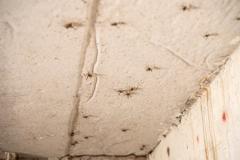
Termites, carpenter ants, and other pests can infest and damage wood joists, causing them to weaken or become structurally unsound. These pests are often drawn to the dark, damp spaces below your home.
Overloading
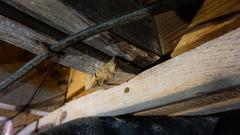
Placing heavy objects or excessive loads on a floor, beyond the capacity of the floor joists, can cause them to bow, sag, crack, or fail.
Foundation Settlement
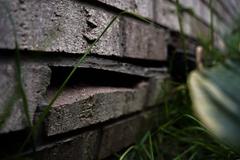
Over time, buildings can settle or experience structural movement due to soil erosion, construction issues, or seismic activity. This movement can stress floor joists and cause them to become damaged or misaligned.

How to Repair and Maintain Floor Joists
Remember, addressing any broken or damaged joists promptly can help prevent the need for complete replacement. However, if your floor joists are becoming unable to bear loads on their own, waterproofing your basement or crawl space is a great first step.
By installing waterproofing solutions, you can maintain appropriate humidity levels, mitigate flooding, and prevent moisture-related damage (like mold or wood rot) to your floor joists.
Moreover, installing steel support posts can provide floor joists with even more strength and support. This additional reinforcement helps prevent sagging floors and maintains the structural stability of your home.