AI-Powered
 10 Ways to Clean, Waterproof, & Protect Your Crawl Space
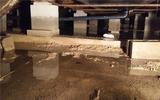
Waterproofing a crawl space can make all the difference in your home’s comfort, health, and value. Proper crawl space waterproofing helps prevent moisture damage, mold growth, and expensive repairs. If you’re wondering how to waterproof a crawl space, here are some effective solutions to consider.
Why Protect Your Crawl Space From Damage?
Don’t waste time and money fixing other parts of your home before addressing your crawl space waterproofing needs. Without proper protection, here’s what can happen:

- Musty odors can penetrate your home and furniture
- Dampness will warp new floors and doors
- Pests like insects and rodents will invade your home and cause damage
- Mold spreads behind your walls and between floors
- You’ll be burning money on higher energy bills
10 Crawl Space Waterproofing Tips
There are many types of solutions to help improve and protect your crawl space. In most cases, you’ll need to follow several crawl space protection steps for an effective fix.
Need more crawl space waterproofing tips? Watch our video!
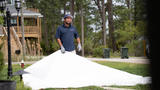
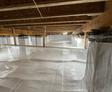
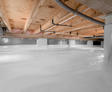
1. Encapsulate with Vapor Barriers
Moisture barriers and vapor barriers provide thick plastic encapsulation for your crawl space. Use them to keep the moisture out of your home, eliminate water damage, block radon gas, and make the space less attractive to pests. Ensure crawl space walls, floors, and vents are included.
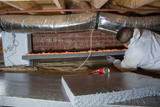
2. Add Insulation to Encapsulation
Thermal insulation added during crawl space encapsulation provides extra protection. This extra-thick insulated barrier is more durable, will last longer, and has extra benefits. It will keep your home much warmer in the winter without having to run the heat as much. It keeps out all of the rising humidity in the summer to keep your cooling bills down, too.
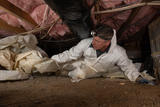
3. Clean Your Crawl Space
It may not be your favorite place to visit in your home. Even if you love washing the dishes, laundry, and sweeping, this can be a different type of cleaning.
Yet a clean and disinfected crawl space is much more usable, safe, and healthy. This is the first step to identifying what is going on down there and the best solutions for your house. We urge you to use caution while in this space. If you are uncomfortable, it’s best to contact a crawl space specialist.
4. Seal Vents
Crawl space vents were once thought to be best practice when building homes with crawl spaces. The logic was that they would help air out the space and prevent moisture accumulation. However, open crawl space vents do just the opposite. They’re like welcome signs for pests and outside air and water. Trapped beneath your home, these nuisances lead to water intrusion, elevated humidity, mold, and unhealthy conditions that affect the rest of the house.
The best thing you can do for your crawl space is seal vents during the encapsulation process to ensure a completely watertight and airtight space.
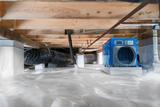
5. Dehumidify the Space
Humidity can run rampant in a vented dirt crawl space, leading to issues such as mold growth, weakened wood supports, and unpleasant odors.
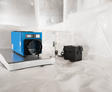
Dehumidifiers work wonders to improve air quality and control humidity levels. However, conventional units available at big-box stores are no match for crawl space conditions. Instead, consider an energy-efficient dehumidifier, which will cost less to run and work much better.
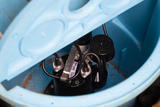
6. Waterproof with Sump Pumps
Sump pumps are great at getting rid of extra water, especially if your crawl space seems to flood often or is leaking. Old sump pumps can be an energy drain and very noisy. During a free inspection by your local Groundworks Company, ask your crawl space expert if it is time for an upgrade.
7. Repair Leaks and Insulate Pipes to Prevent Condensation
Addressing leaky plumbing can prevent water from accumulating in your crawl space. Additionally, insulating pipes, ducts, and other surfaces in the crawl space that are prone to cold temperatures can prevent condensation, a common precursor to mold growth. Using insulation materials designed for this purpose can keep surface temperatures above the dew point, preventing water vapor from condensing on cold surfaces.
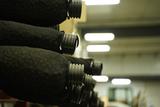
8. Install Interior Drains
Few homeowners know that one of the best ways to deal with water seepage and leaks in their crawl space is to install drainage on the inside. These drains direct leaking water to your sump pump.
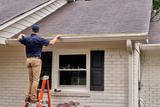
9. Maintain Gutters and Downspouts
One of the top reasons for crawl space leaks is clogged, broken, or missing gutters or downspouts on the exterior of your home. If you are wary of spending money on preserving your home or just want it to last a lot longer, start by inspecting your gutters.
10. Regrade Your Yard
Yard grading involves reshaping the ground around your home to slope away from the foundation. If water isn’t directed away properly, it can lead to cracks and even cause foundation walls to collapse.
Melting snow and heavy rain can put pressure on the crawl space walls. Protect your crawl space from damage by ensuring proper yard grading around your home.
Fix Your Crawl Space with Expert Help
Hiring experts for crawl space services is essential, as the job often involves working in tight, damp, and potentially hazardous conditions. Proper safety measures are crucial to ensure that waterproofing a crawl space is done correctly and effectively. With decades of experience, Groundworks has repaired and protected millions of crawl spaces across North America.
Whether you need simple crawl space waterproofing solutions or full encapsulation, we have the expertise to keep your home safe and dry. Trust us to handle your encapsulation needs safely and efficiently. Book a free inspection today!
Crawl Space FAQs
While crawl space encapsulation offers many benefits, it’s important to weigh a few factors. The initial cost can be high, but it’s offset by long-term energy savings and avoided repairs. You’ll need to commit to annual maintenance to ensure the system remains effective. Proper pre-encapsulation cleaning is crucial to prevent potential gas buildup from decaying organic matter. Despite these considerations, encapsulation typically improves home comfort, energy efficiency, and long-term value for most homeowners.
When properly installed and maintained, crawl space encapsulation can last 15 to 20 years or more. The vapor barrier, a key component of encapsulation, typically has a lifespan of 20 to 25 years. However, longevity can vary based on factors such as installation quality, climate conditions, and regular maintenance. With proper care, some encapsulation systems can even last the lifetime of the home.
Yes, proper crawl space insulation can significantly reduce energy bills by preventing heat loss in the winter and heat gain in the summer.
Related Resources