

 AI-Powered
 8 Steps to Prevent Frozen Pipes
Winter weather across the country can mean frozen or burst pipes. But don’t worry: Learn how to avoid damage to your home here.

Sub-zero temperatures and blustery winter weather across the country can mean frozen or burst pipes if you’re not prepared.
Forbes reports water damage, including damage from freezing, is one of the most common and costly claims.
According to the Insurance Information Institute, about one in 60 homeowners file a water damage or freezing claim annually, accounting for nearly 20 percent of all insurance claims in 2020. These claims have an average price tag of more than $10,000.
What Are Frozen Pipes?
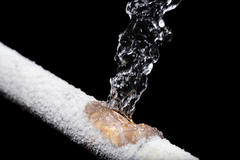
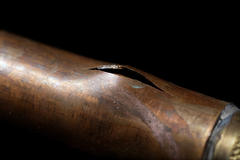
Pipes inside your home can freeze when the exterior temperature drops below 20°F.
When water freezes, it expands in volume. When stuck inside a pipe, the ice creates pressure, and it stresses the plastic and metal. When water starts to flow again, the ice pressure combines with the water pressure behind it, leading to pipes leaking and bursting.
The new opening can allow gallons of water to flow out very quickly. Creating a huge mess, and often costing thousands of dollars in water bills and clean-up fees.
Frozen pipes are more than just frustrating. According to FEMA, a one-inch flood caused by a broken pipe can result in about $25,000 in damage.
How to Find Frozen Pipes
If you think you have a frozen pipe, locating it quickly can make a big difference, reducing the amount of damage caused.
Find the pipe by using the location of the faucet that isn’t working. If none of your faucets are working, the frozen pipe is probably near the main water line.
8 Ways to Stop Pipes from Freezing
Since all pipes are susceptible to freezing, regardless of where you live, it’s a good idea to follow these steps to beat the freeze and keep water flowing.
1. Insulate Water Pipes in Exposed Areas
Start by insulating the pipes in the unconditioned crawl space under your home, then the ones in the exterior walls and unheated attic.
These pipes are prone to freezing because they come into contact with outdoor air. Insulating pipes using pipe wraps lowers the risk of freezing and sudden bursts from excess pressure
2. Install Foam Pipe Sleeves
If you have long runs of pipes that need insulation, it’s advisable to cover them using foam pipe sleeves.
Typical sleeves are made of rubber or foam and can be as long as six feet. When buying, make sure to get the right size for your pipes.
3. Allow A Dripping Faucet
While water can still freeze when in motion, especially if only moving slowly, it does take longer.
Keeping a slow drip allows you to identify a frozen pipe quickly so you can shut off the main water valve and work to thaw the pipe immediately.
4. Seal Crawl Space
An unconditioned crawl space is an open invitation for winter air to freeze your pipes.
Encapsulating the crawl space can reduce the volume of cold air surrounding your water pipes and create a positive airflow of warm-conditioned air.
5. Open Cabinets
Keeping bathroom and kitchen cabinets open helps the home’s warm air circulate around your pipes, keeping them warmer.
But remember: be sure to remove any harmful chemicals out of the reach of small children
6. Insulate Pipe Gaps
As you insulate your water pipes, don’t forget the pipe gaps.
It’s important to seal all air gaps, especially where pipes go through the exterior wall. Sealing these gaps with foam caulk rope and expanding foam helps keep your pipes warmer.
7. Leave Heat on and Keep a Consistent Temperature
One of the simplest ways to stop freezing is to set the thermostat at the same temperature 24/7.
If you’re planning to travel during the winter, ensure your heat stays on while you’re out of town. While it may make sense to decrease the temperature overnight, it’s best to maintain an internal temperature of 55 degrees or more to ensure your pipes keep flowing.
8. Keep Garage Door Closed
Your garage often houses water supply lines. Keeping the door closed seals warm air in and helps protect the plumbing there.
Regardless of preparation, knowing where the main water shut-off valve to your home is can be helpful in case a pipe bursts.
It’s typically located where the main water line enters the house or near the exterior water meter.
Burst Pipes Can Happen Anywhere
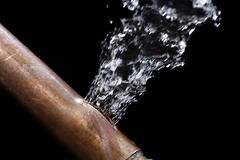
With extreme cold hitting areas of the country not used to such temperatures, it’s important everyone follows simple steps to ensure your pipes remain in good condition.
When the Texas cold snap of 2021 left millions of residents without heat, many experienced major damages because of frozen or burst pipes.
Warm weather regions typically weatherize pipes to handle the summer heat by placing pipes in exterior walls and attics. This construction means pipes freeze and burst easily during rare cold events.
Groundworks Helps Protect Your Home from Frozen Pipes
Even the best DIY preparation cannot always protect your home from frozen or burst pipes.
You need a team of experts to insulate and safeguard your home, leaving your property and family protected.
To learn even more about our various frozen pipe solutions and find a local foundation repair company near you, contact us today!