AI-Powered
 Basement Dehumidifier Sizing Made Simple
Maintaining a dry, healthy basement is vital for your home’s overall well-being and energy efficiency.
A dehumidifier is key to controlling moisture levels, preventing mold growth, and enhancing air quality.
However, a dehumidifier alone isn’t enough; it must be part of a comprehensive waterproofing system. In this guide, you’ll discover how to select the perfect size dehumidifier for your basement.
- How Does A Basement Dehumidifier Work?
- What Are The Benefits of Dehumidification?
- Are There Different Types of Dehumidifiers?
- How Do I Determine the Right Size Dehumidifier for My Basement?
- The Right Dehumidifier: AquaStop™ Basement Air System
- How Is A Basement Dehumidifier Installed?
- Why Choose Groundworks for Your Dehumidifier Installation
How Does A Basement Dehumidifier Work?
A dehumidifier serves as your first line of defense against excess moisture, working tirelessly to maintain optimal humidity levels in your basement and throughout your home. This specialized appliance pulls damp air through its system, removes the water content, and releases drier air back into your basement environment.
It may seem like a complicated appliance on the surface, but a dehumidifier is a fairly simple device. Here’s how it works:
- A fan draws warm, humid basement air into the unit
- The air passes over refrigerated coils, causing water vapor to condense
- Water droplets collect in a reservoir or drain directly through a hose
- The dried air is slightly reheated and released back into the area
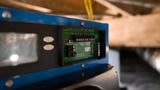
Most dehumidifiers have a built-in humidistat that allows you to set the relative humidity level that works best for you (usually between 40% and 50% for basements). The unit then automatically maintains that target, taking the guesswork out of moisture control.
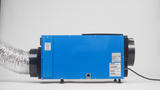
Additionally, many units can be ducted, as pictured above.
What Are The Benefits of Dehumidification?
Dehumidification addresses several critical issues in your home:
- Prevents Mold and Mildew: Reduces excess moisture, preventing mold and mildew growth that can cause health problems and damage your property.
- Eliminates Musty Odors: Removes unpleasant, musty smells often associated with damp environments.
- Protects Structural Integrity: Prevents wood rot and corrosion of metal components, safeguarding your home’s structure.
- Improves Comfort: Maintaining optimal humidity levels contributes to a healthier, more comfortable living space.
Are There Different Types of Dehumidifiers?
Each dehumidifier has unique features:
- Manual Emptying vs. Self-Draining: Some dehumidifiers require you to empty the water tank manually, while others are self-draining and connect directly to a drainage system.
- Air Cleaning and Filtering: Some units have air cleaning and filtering capabilities, while others do not.
- Capacity: Every dehumidifier measures how much water it can remove from the air daily, usually measured in pints/day.
How Do I Determine the Right Size Dehumidifier for My Basement?
It’s challenging to determine the exact size dehumidifier you need without a full inspection and understanding of your basement’s needs. However, here are some general guidelines based on pints/day and basement size:
- 500 to 1,500 sq. ft.: 50-60 pints/day
- 1,500 to 2,500 sq. ft.: 70-80 pints/day
- 2,500 sq. ft. and above: 80+ pints/day
These are rough estimates, and your specific needs may vary based on the humidity levels and conditions of your basement.
The Right Dehumidifier: AquaStop™ Basement Air System
Groundworks installs the AquaStop™ Basement Air System, which offers:
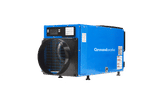
- High Capacity: Removes up to 100 pints of water from the air daily.
- Efficient Air Circulation: Circulates over 300 cubic feet of dry air every minute.
- Self-Draining: No need to manually empty water tanks.
- Air Filtration: Includes an air filter to improve air quality.
- Energy Efficient: EnergyStar-certified and designed for large basements.
How Is A Basement Dehumidifier Installed?
Every home is unique, but here is a general overview of the steps Groundworks Companies follow when installing a dehumidifier:
1. Choose the Right Location
The installation crew will first determine the right location for your dehumidifier. It’s best to place it close to the sump pump or an interior drainage clean-out port. This way, water can be easily pumped out of the basement and away from the house. The dehumidifier should also be away from the wall to ensure easy air flow from all sides.
2. Tie into Discharge
Crews will connect the self-draining dehumidifier either into the interior drainage system, where possible, or tie it into the discharge for the sump pump. Either way, doing this will allow your dehumidifier to remove water without worrying about emptying the reservoir bucket like with conventional dehumidifiers.
3. Set Humidistat
The proper relative humidity level that works best for you and your family can be decided with time. Generally, a home with an average temperature of 68°F should have a relative humidity between 30 and 50 percent. Look for a unit with a built-in digital humidistat. Ideally, it should be able to be mounted either on the top or side, depending on how best to access it.
Why Choose Groundworks for Your Dehumidifier Installation

Groundworks is the right choice for your dehumidifier installation and overall basement waterproofing needs. With experience repairing and waterproofing millions of homes across North America, we have the expertise to handle any job.
Our team provides free evaluations to assess your basement’s specific needs and recommend the best solutions. Contact us today to schedule your free inspection.
Basement Dehumidifier FAQs
Many modern dehumidifiers are EnergyStar-certified, meaning they meet energy efficiency guidelines set by the EPA and can help reduce energy costs.
Use a hygrometer, a device that measures humidity, to determine the moisture level in your basement.
While a dehumidifier can help reduce moisture after flooding, it’s not a solution for flooding issues. A proper waterproofing system is necessary for severe water problems.
Related Resources