

 AI-Powered
 Costly DIY Concrete Crack Repair Mistakes
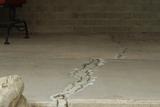
While it might be tempting to grab a tube of filler and try filling concrete cracks yourself, DIY concrete crack repair is often a mistake. These quick fixes rarely address the root causes of the problem and can leave you with bigger, more expensive issues down the line.
This guide explains why DIY solutions for filling concrete cracks often fail and why professional repair methods provide better, longer lasting results. If you’re considering taking on concrete crack repair yourself, here’s why you should think again.
Common Concrete Repair Mistakes
Fixing concrete cracks may seem simple, but DIY repairs often cause more problems than they solve. Many homeowners buy products from hardware stores, thinking they can handle the job themselves. However, these fixes usually don’t last, and here’s why:
1. Misdiagnosing the Problem
Concrete cracks don’t always happen for the same reasons. They could be caused by soil erosion, pressure from tree roots, or dry and shrinking soil.
Without understanding what’s causing cracks in the first place, it’s nearly impossible to repair them effectively. You might fill the crack on the surface, but if the root problem isn’t fixed, the crack will likely come back.
2. Using the Wrong Materials
The products you find in stores aren’t designed for long-term fixes. Many fillers shrink, crack, or break apart because they can’t handle changes in temperature or the weight of the concrete.
Without the right materials, your repair won’t last, and you’ll be left with the same problem again. This is one of the most common concrete repair mistakes we see in the field every day.
DIY Materials That Don’t Work for Concrete Crack Repair
Many store-bought products claim to fix concrete cracks but often fall short. These are some commonly used DIY materials that fail to provide long-lasting results:
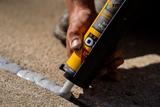
- Concrete Patch Mix: Too rigid to handle expansion and contraction, leading to cracks reappearing over time.
- Silicone Caulk: Easy to apply but not strong enough for actual structural repairs or heavy loads.
- Hydraulic Cement: Hardens quickly but is brittle, often crumbling with soil shifts or foundation movement.
- Epoxy Kits: Doesn’t address root causes like unstable soil, leading to cracks reopening or worsening.
- Masonry Sealant: Works only for surface repairs and degrades over time, leaving cracks exposed.
3. Skipping Preparation
To repair concrete properly, the crack needs to be clean and dry. Dirt, grease, or moisture will stop the filler from sticking, making the repair weak.
Most DIYers skip this important step, which is why their repairs fail. Professionals always clean and prepare the surface to ensure the filler bonds correctly.
4. Ignoring Structural Issues
Sometimes cracks are just the beginning of a bigger problem. A crack in your driveway might mean the soil underneath is sinking and may eventually lead to foundation settlement.
A crack in your basement floor could be caused by hydrostatic pressure in the soil below. DIY repairs only patch the surface, leaving these bigger problems untouched. This can lead to even worse damage and higher repair costs later.
Why Hiring a Professional is Better
When it comes to concrete crack repair, hiring a professional is the smartest choice. With their expertise, tools, and materials, professionals know how to fix concrete cracks the right way the first time. Here’s what professionals bring to the table:
- Proper Diagnosis: They assess the entire situation, identifying causes like poor drainage or unstable soil.
- High-Quality Materials: Professionals use advanced materials that outperform anything available at a hardware store.
- Cost Savings: While DIY seems cheaper upfront, repeat repairs add up. Professionals fix it right the first time.
- Warranties: A professional warranty means a guarantee on the repair, so if something goes wrong, they’ll fix it at no extra cost.
How to Fix Concrete Cracks With Polyurethane Injection
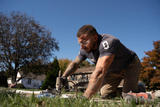
Polyurethane injection is a proven, professional method for concrete crack repair. Professionals inject this expanding, durable foam under the slab, filling voids, lifting the concrete, improving the appearance of cracks, and stabilizing the ground beneath. Unlike DIY fixes, it addresses the root cause, cures quickly, and provides long-lasting results.
Avoid Concrete Repair Mistakes With Groundworks
At Groundworks, we understand the desire to repair concrete cracks on your own. They’re frustrating to look at and stressful to deal with. Unfortunately, fixing them with DIY methods simply doesn’t work.
That’s why we offer professional solutions tailored to fix cracks the right way.. Whether you’re dealing with cracked driveways, uneven patios, or basement floors, Groundworks knows how to repair concrete cracks with solutions that last. Contact us today to schedule a free inspection!
DIY Concrete Repair FAQs
Yes, improper DIY repairs can worsen cracks by trapping moisture or failing to address the root cause, leading to more extensive damage.
Cracks wider than 1/8 inch, uneven slabs, or recurring cracks often indicate underlying issues like soil settlement or foundation problems.
Yes, even small cracks should be repaired to prevent them from growing larger or causing structural issues over time.
Related Resources



Ted Dryce
Disclaimer: “Concrete leveling” means the process by which cracked, uneven concrete is stabilized, and in many cases lifted, by means of PolyRenewal™ polyurethane foam. Groundworks does not guarantee that PolyRenewal™ can make your concrete perfectly level.