

 AI-Powered
 Earthquake Safety Tips for California Homeowners

Living in California has many perks: stunning coastline, world-class wine country, and year-round sunshine. But one downside is earthquakes.
These natural events can strike without warning, and their frequency is increasing. While we can’t stop earthquakes from happening, there are steps you can take to prepare yourself and your home’s foundation—especially if the “big one” hits.
Preparing your home, particularly its post and pier foundation or concrete pier foundation, is crucial for maintaining safety during an earthquake.
Here are the top 10 steps to help you get ready.
Earthquake Safety Tips
1. Repair Foundation Issues Before an Earthquake

Small foundation problems can become catastrophic during an earthquake. If your home has existing foundation issues, consider fixing them now.
Using a piers foundation system to stabilize your home can add much-needed strength to your foundation.
For homes with a post and pier foundation, repairing or reinforcing the piers is especially important since these systems are more susceptible to movement during a quake.
Additionally, consider seismic retrofitting. Homes built before 2000 often don’t meet current seismic standards. Unless your property is newly constructed, retrofitting your home to current safety codes is one of the smartest steps you can take to reduce the risk of severe damage.
2. Prepare an Emergency Kit and Family Plan
Make sure your household is equipped with emergency supplies, including water, non-perishable food, a flashlight, batteries, a first aid kit, and essential medications. Create a family emergency plan so everyone knows what to do in an earthquake and where to meet afterward.
3. Secure Heavy Furniture

Bookshelves, cabinets, and televisions can topple during an earthquake, posing a danger to anyone nearby.
Use brackets or straps to anchor heavy furniture and appliances to walls to prevent them from tipping over.
4. Review Your Earthquake Insurance Policy
Standard homeowner’s insurance typically doesn’t cover earthquake damage. Earthquake insurance is a separate policy that can help cover repairs to your home and belongings if a quake strikes. Review your policy to understand what’s covered, and consider adding coverage if you don’t already have it.
5. Learn How to Shut Off Utilities
Gas leaks and electrical fires are common after earthquakes. Know where your utility shut-off valves are and how to turn them off safely. This knowledge can prevent secondary disasters from compounding earthquake damage.
6. Know the Signs of Foundation Damage
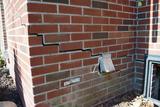
After an earthquake, inspect your home for signs of potential foundation damage. Be on the lookout for:
- Cracks in brick or drywall cracks
- Doors and windows that stick or don’t close properly
- A tilting or separating chimney
These can all indicate that your foundation has shifted and needs professional inspection and repair.
7. Practice Earthquake Drills
Knowing what to do in an earthquake is just as important as preparing your home. Teach your family the “drop, cover, and hold on” drill to reduce injury during a quake. Regularly practicing this drill ensures everyone knows how to respond instinctively.
8. Store Chemicals and Flammable Items Safely
Keep hazardous materials like cleaning supplies, gasoline, and chemicals in locked cabinets to prevent spills and fires during an earthquake. Proper storage minimizes the risk of these items becoming hazards in the aftermath.
9. Secure Water Heaters and Appliances
Water heaters can fall and rupture gas lines during an earthquake, creating serious fire risks. Use straps to secure water heaters to the wall and ensure appliances like washing machines and refrigerators are anchored or braced.
10. Keep Important Documents Safe
Store important documents like insurance policies, medical records, and identification in a fireproof and waterproof safe. In the event of a major earthquake, having access to these items will make recovery much smoother.
Earthquake Safety Starts with Preparation
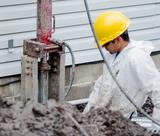
California’s beauty comes with its risks, but taking proactive steps for earthquake safety can protect your family and your home. Strengthen your foundation—whether it’s a post and pier foundation or a concrete pier foundation—and follow these earthquake safety tips to minimize the impact of a quake.
Having the right team by your side is essential after an earthquake. Groundworks has been delivering dependable, lasting solutions to homeowners for years. We recognize the importance of swift, accurate action when dealing with post-earthquake repairs.
Contact us for a free inspection and get your home ready for whatever Mother Nature has in store.
Earthquake Safety Tips FAQs
A stable foundation strengthens your home’s structure and prevents collapse or shifting, reducing the risk of severe damage during an earthquake.
Look for signs of instability, such as cracks, uneven floors, sticking doors, or gaps around windows. A professional inspection can confirm your foundation’s condition.
Yes, homes built before 2000 often don’t meet current seismic standards and may require retrofitting to improve their resilience during earthquakes.