AI-Powered
 How House Flippers Can Hide Foundation Problems: What Every Homebuyer Should Know
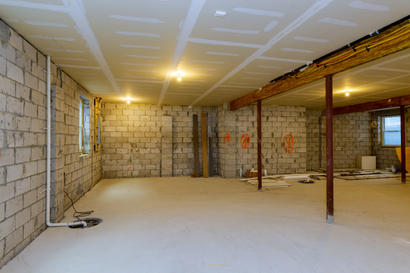
Buying a flipped home can be exciting. Fresh paint, modern flooring, updated kitchens, and stylish finishes can make a property feel move-in ready. However, beneath those cosmetic upgrades, some flipped homes may have hidden structural problems that were never properly repaired.
While many professional house flippers complete quality renovations, others focus on quick, low-cost improvements designed to maximize profit. In some cases, that means covering up foundation problems instead of fixing them. The result is that homeowners may not discover serious issues until months, or even years, after moving in.
Before purchasing a renovated home, it’s important to understand how foundation problems can be concealed, what warning signs to watch for, and why professional foundation repair is the only long-term solution when structural damage exists.
- Can House Flippers Hide Foundation Problems?
- Common Cosmetic Fixes That Can Hide Structural Issues
- Why Foundation Problems Continue to Get Worse
- Signs a Flipped Home May Have Hidden Foundation Issues
- Questions to Ask Before Buying a Flipped Home
- Protect Your Investment with Professional Foundation Repair from Groundworks
Can House Flippers Hide Foundation Problems?
Unfortunately, yes. Foundation problems are among the most expensive issues a homeowner can face. Instead of investing in engineered foundation repair, some sellers choose cosmetic fixes that make a home appear structurally sound during showings and inspections.
These shortcuts rarely address the underlying cause of foundation settlement or structural movement. As the soil beneath the home continues to shift, the symptoms often return, and can even become worse over time. Not every flipped home has hidden defects, but buyers should know what to look for before purchasing.
Common Cosmetic Fixes That Can Hide Structural Issues
Many cosmetic improvements are perfectly legitimate. However, when they’re used to disguise foundation damage, they can delay the discovery of serious structural problems.
New Flooring Over Uneven Floors
One of the easiest ways to hide foundation settlement is by installing new flooring. Luxury vinyl plank, laminate, engineered hardwood, and carpeting can temporarily disguise uneven or sloping floors. In some cases, installers may use additional underlayment or leveling compounds to minimize noticeable dips. However, if the foundation continues settling, homeowners may eventually notice:
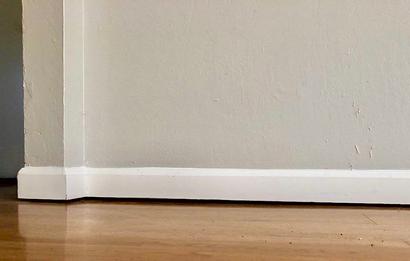
- Uneven flooring
- New gaps between flooring planks
- Buckling or separating flooring
- Furniture that no longer sits level
- Soft or bouncy floor sections
Fresh Paint Covering Wall Cracks
Hairline cracks are common in many homes. But larger cracks that repeatedly reopen can indicate ongoing structural movement. These repairs may look perfect during a home showing, but if foundation settlement continues, the cracks often return. A fresh coat of paint and drywall patching can temporarily conceal:
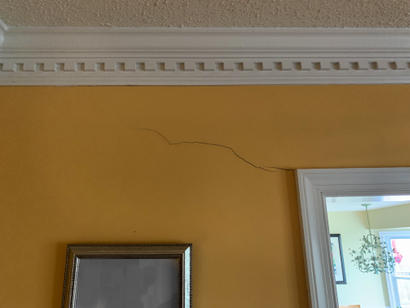
- Stair-step cracks
- Vertical wall cracks
- Ceiling cracks
- Door corner cracks
- Nail pops in drywall
DIY Crack Sealants
Some cracks in concrete foundations or basement walls are filled using inexpensive hardware store sealants or patching compounds. While these products may keep out moisture temporarily, they rarely stop structural movement. If the foundation is settling or basement walls are moving inward due to hydrostatic pressure, cosmetic sealants cannot stabilize the structure. Over time, homeowners may notice:
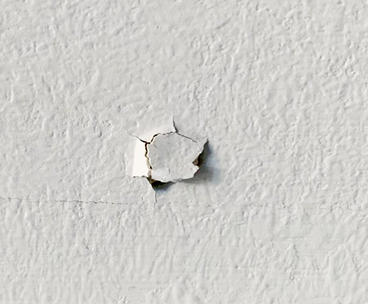
- Cracks that reopen
- Recurring water leaks
- Larger cracks forming nearby
- Increased moisture intrusion
Concealing Basement Water Damage
A newly finished basement can be attractive, but finished walls sometimes hide evidence of ongoing water intrusion. Fresh drywall, paint, and flooring may temporarily cover water stains, spots of mold, or cracks in the basement wall, but they don’t fix the underlying issue. If basement waterproofing wasn’t installed alongside the renovation, water problems often reappear after heavy rain or seasonal groundwater changes.
Why Foundation Problems Continue to Get Worse
A foundation doesn’t suddenly stop moving because the visible damage has been covered. Most foundation issues begin with changes in the soil supporting the home. Common causes include:
- Expansive clay soils
- Poor soil compaction
- Soil erosion
- Plumbing leaks beneath the home
- Poor drainage around the foundation
- Seasonal drought and heavy rainfall
- Tree root activity
As supporting soils shift or lose strength, portions of the foundation settle unevenly. Every additional season of soil movement places more stress on the structure. Without addressing these underlying conditions, cosmetic repairs eventually fail.
Signs a Flipped Home May Have Hidden Foundation Issues
Even beautifully renovated homes deserve a careful inspection. Watch for these potential warning signs:
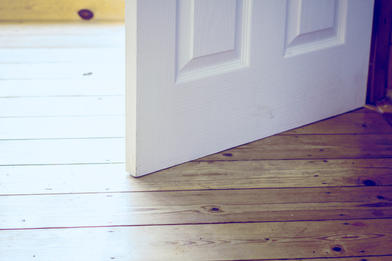
- Doors and Windows That Stick: If recently installed doors or windows don’t open and close smoothly, foundation movement may be affecting the home’s framing.
- Uneven Floors: Bring a marble or simply pay attention while walking through the home. Floors that noticeably slope or feel uneven may indicate settlement.
- Fresh Paint in Isolated Areas: Fresh paint covering only one section of a wall, or a newly repaired ceiling crack, may warrant additional investigation.
- New Flooring Throughout the Entire Home: While many renovations include new flooring, buyers should ask whether the subfloor or foundation was evaluated before installation.
Questions to Ask Before Buying a Flipped Home
If you’re considering purchasing a renovated home, asking the right questions can help you avoid costly surprises. Consider asking:
- Has the home ever had foundation repair?
- Are repair records available?
- Were structural engineers involved?
- Is there a transferable warranty?
- Has the basement ever experienced water intrusion?
- Were permits obtained for structural work?
- Has the home had drainage improvements installed?
Protect Your Investment with Professional Foundation Repair from Groundworks
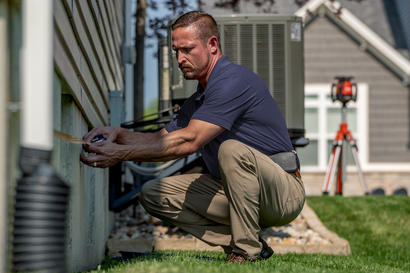
A beautifully renovated home isn’t always a structurally sound one. While many house flippers complete quality renovations, others may rely on cosmetic improvements that temporarily hide foundation settlement, water intrusion, or structural movement. If you own or plan to buy a flipped home a professional foundation inspection from Groundworks can provide valuable peace of mind.
Our experienced foundation repair specialists can identify the true cause of structural problems and recommend permanent, engineered solutions that protect your home’s safety, value, and long-term stability. Contact us today to get started with a free inspection.
Home Value FAQs
A dry basement adds value and prevents issues during inspection—buyers want peace of mind.
Yes, foundation issues can significantly decrease your home’s value and make it difficult to sell. Proper repair can restore value and ensure structural integrity.
Yes, mold can significantly decrease property value and may complicate selling your home.
Related Resources