AI-Powered
 How to Build a Slab Foundation
A slab foundation is one of the most common types of residential foundations in use today. According to the National Association of Home Builders, around 72% of newly constructed homes in 2023 were built on slabs. Popular for its simplicity, affordability, and strength, slab foundations serve as both the base and floor of a structure.
Whether you’re building a new home or looking to better understand the foundation beneath your feet, this guide will walk you through everything you need to know about slab foundations.
What Is a Slab Foundation?
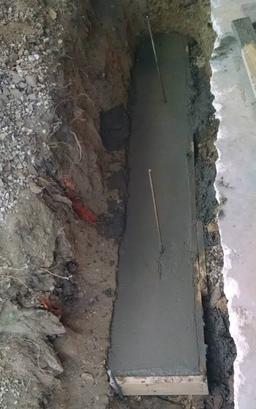
A slab foundation is a single, solid layer of concrete, typically 4 to 6 inches thick, poured directly onto the ground to support a structure’s load. There is no basement or crawl space beneath a slab; the structure sits directly on the foundation. The slab is often reinforced with steel bars or mesh and sometimes includes footings (thicker areas at load-bearing points) to provide additional strength.
Because slab foundations sit directly on the ground, they are ideal for areas with warmer climates where the ground doesn’t freeze deeply. In cold climates, they can still be used with special adaptations like frost-protected shallow foundations.
Common Varieties of Slab Foundations
There are several types of slab foundations, each with unique features and applications. Here are the most common ones:
- Monolithic Slab: In a monolithic slab, the concrete slab and footing are poured at the same time, creating a single, seamless structure. This type is faster and more cost-effective to build. It’s especially useful in areas with stable soil conditions.
- T-Shaped Slab: The T-shaped slab is used in colder climates where frost heave is a concern. It features a wider footing below the frost line, with a thinner slab poured on top. This approach provides better resistance to movement from freeze-thaw cycles.
- Slab-on-Grade: Slab-on-grade foundations are poured directly at ground level. They may or may not include integral footings. This variety is very common in residential construction, especially in warmer regions.
- Raised Slab: A raised slab uses short concrete walls built on top of the footings to lift the slab above ground level. This can provide limited access under the home for plumbing or electrical systems.
Slab Foundation Construction Process
Building a slab foundation requires precision and planning. Here’s a step-by-step breakdown of how a typical slab foundation is constructed:
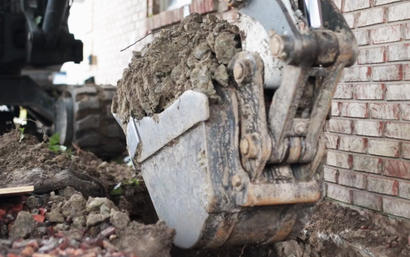
1. Site Preparation
Before any concrete is poured, the building site must be cleared of vegetation, debris, and organic matter. The soil is graded to ensure proper drainage and compacted to provide a stable base.
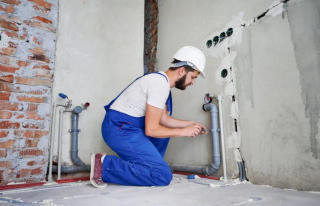
2. Formwork and Layout
Wooden or metal frames are built around the perimeter of the foundation to shape the slab and define its dimensions. Builders then lay out the plumbing and electrical conduits that will be embedded within the slab.

3. Gravel Base and Vapor Barrier
A layer of crushed gravel (typically 4 to 6 inches thick) is spread across the site to assist with drainage. On top of the gravel, a durable vapor barrier is sometimes placed to prevent moisture from rising into the slab.
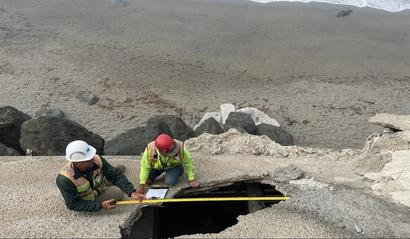
4. Reinforcement
Steel rebar or welded wire mesh is placed in a grid pattern to reinforce the concrete. In areas with high seismic volatility or frequent soil movement, additional rebar may be required to prevent cracking during ground shifts.
5. Pouring the Concrete
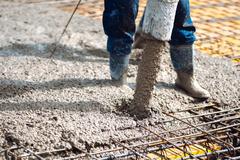
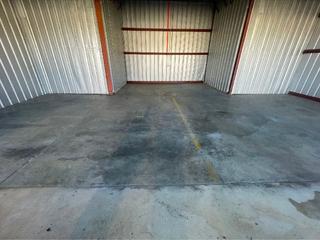
Concrete is poured into the forms and spread evenly across the area. Workers use rakes and other implements to level the surface. The slab is then floated and troweled to achieve a smooth finish.
6. Curing
The concrete must be kept moist as it cures, which typically takes 7 days for basic strength and up to 28 days for full curing. This process ensures the slab reaches its full strength and resists cracking.
Reinforcing and Repairing Slab Foundations
Though slab foundations are generally durable, they are not immune to wear, weather, or structural shifts. Reinforcement and repair are essential to ensuring long-term performance.
- Post-tension cables: Post-tension cables are sometimes used instead of rebar. These cables are tensioned after the concrete is poured to add extra strength.
- Expansion joints: In larger slabs, expansion joints allow for controlled cracking and thermal expansion without damaging the structure.
- Concrete lifting: If a slab has settled unevenly, it can be lifted by injecting a polyurethane foam mixture beneath it.
- Piering: Steel piers can be driven deep into stable soil below the foundation to support and lift a settling slab.
- Waterproofing: Applying sealants or installing a vapor barrier under the slab can mitigate moisture problems.
Protect Your Slab Foundation with Groundworks

Slab foundations are a reliable and cost-effective choice for many homes, particularly in regions with warm or moderate climates. Understanding the different types of slab foundations and the process involved in building one helps ensure a strong start for any residential project.
Have you noticed any red flags stemming from your slab foundation, like floor cracks or signs of settlement? Don’t delay. Contact Groundworks to schedule a free inspection.
Slab Foundation FAQs
Absolutely. A history of water damage or unresolved leaks can reduce property value and deter potential buyers.
It depends. While materials and labor may cost slightly more, you often save on repairs by avoiding the high costs of cutting and repairing concrete with below-ground plumbing.
Not necessarily. If installed cleanly and up to code, it won’t hurt resale. Just be sure any chases or soffits blend in with your home’s design.