AI-Powered
 How to Read a Drought Map and Track Dry Conditions Near You
Drought can happen any time of the year, not just during the sweltering dog days of summer. Inadequate soil moisture has far-reaching effects, from damaged crops to foundation problems, making understanding how to read a drought map key to protecting your property.
This guide explains miscellaneous components of the U.S. Drought Map, how to read annotations, how to find the map for your state, and what this means for your home.
What Is a Drought Map?
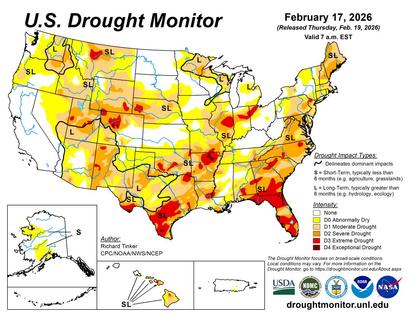
The U.S. drought map provides a visual representation of precipitation (or lack thereof) and tracks short‑ and long‑term drought conditions across the country.
You can find many drought maps online, and the Current Drought Map released by the U.S. Drought Monitor is one of the top resources.
Updated every Thursday morning, this map is a collaborative production of the National Drought Mitigation Center at the University of Nebraska-Lincoln, the United States Department of Agriculture, and the National Oceanic and Atmospheric Administration.
How Do I Read a Drought Map?
The U.S. Drought Monitor’s current drought map is interactive and user-friendly, but it’s also helpful to know exactly what you’re looking at. Let’s break down the essential components:
The Color Scale
The blobs of color on the drought map indicate different levels of drought:
- No Color: Normal or wet conditions
- Yellow: D0 – Abnormally dry
- Light Orange: D1 – Moderate drought
- Dark Orange: D2 – Severe drought
- Red: D3 – Extreme drought
- Dark Red: D4 – Exceptional drought
As the colors deepen from yellow to dark red, the drought conditions become progressively more severe, and their impacts intensify.
Drought Classifications
Breaking it down even further, here’s what each classification means and the problems you might notice in your home:
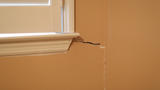
Note: Visit our “Can Drought Cause Foundation Problems?” article to learn more about the connection between drought and foundation damage.
Annotations
The U.S. Drought Map also includes a few symbols and annotations. Here’s what they mean:
- S: Short-term drought, typically six months or less, impacting farms and grasslands, and shifts quickly.
- L: Long-term drought, usually longer than six months, affecting water resources and ecosystems more deeply and persists despite temporary rainfall.
- SL: An area with short- and long-term drought impacts.
- Black Squiggly Line: Separates areas with different types of drought impacts. Specifically, they distinguish between regions affected by long-term drought, short-term seasonal dryness, or both.
How Do I Find the Drought Map For My State?
Drilling down to localized conditions on the current drought map is simple when you follow these steps:
These pages provide insightful information, including comparative statistics and current and historic impacts. This allows you to spot trends and prepare for potential structural impacts.
Why Do Drought Conditions Matter for Homeowners?
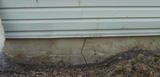
Regularly checking the U.S. Drought Map can help you identify dry conditions early and reduce the risk of foundation issues, such as cracking and settlement.
In “Can Drought Cause Foundation Problems?” we explain how shrinking and expanding soils often cause foundation shifts, wall cracks, and uneven floors. Unstable soil leads to an unstable home. Recognizing signs of drought and common foundation problems early is crucial to repairing and protecting your home with proper solutions installed by foundation repair experts.
Trust Groundworks to Protect Your Foundation
Drought is a serious, complex natural hazard that affects the environment, agriculture, property health, and home foundations. Without sufficient ground moisture, water supplies can dwindle, and foundation damage can compromise a home’s safety and stability. Vigilance is key to protecting your property.
If the current drought map shows conditions worsening in your area and you’ve spotted cracks or settling, contact Groundworks for a free foundation inspection. Our experts evaluate your home inside and out to determine the cause of the problem and recommend tailored foundation repair solutions. Don’t be caught off guard by drought conditions; protect your home today!
Drought FAQs
A drought is a prolonged period of unusually low rainfall that results in a water shortage. It can affect soil moisture, rivers and reservoirs, crops, building foundations, and local water supplies.
Short-term drought develops quickly due to a lack of recent rainfall and often affects lawns, gardens, and the surface soil. Long-term drought lasts for months or years and can lower groundwater levels, reduce reservoir supply, and impact agriculture and entire ecosystems.
Droughts often persist long after the first rainfall, since full recovery requires sustained precipitation. Depending on the severity, it may take many months, often close to a year, for soil moisture levels to return to normal.
Related Resources