AI-Powered
 National Foundation Inspection Week: Spring Inspection Tips
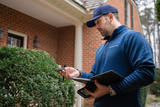
April 12–18 marks National Foundation Inspection Week, an annual initiative focused on home foundations. Established by Groundworks, the observance coincides with the onset of spring across much of the U.S., a time when shifting soil and increased moisture often expose underlying foundation issues.
While seasonal home projects often focus on curb appeal and interior updates, this week highlights the part of the home that supports it all: the foundation.
What to Look for During a Foundation Home Health Check
During National Foundation Inspection Week, we encourage homeowners to complete a simple, ten-minute walk around their property to check for early warning signs. Because homes in the same neighborhood are often built on similar soil conditions, they may experience similar issues. As a result, comparing notes with neighbors can also be a helpful way to spot patterns early and stay ahead of potential damage.
Interior Signs of Foundation Issues

- Floors that sag, are uneven, or feel bouncy underfoot
- Gaps between floors and walls
- Dampness, staining, or standing water in the basement or crawl space
- Diagonal drywall cracks or nail pops
- Doors or windows that stick or become difficult to open and close
Exterior Signs of Foundation Damage
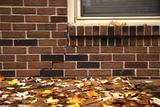
- Stair-step cracks in exterior brickwork
- A chimney that appears to be separating from the house
- Water pooling near the foundation or soil that feels soggy
- Cracked or sunken concrete in driveways, walkways, or porches
Identifying concerns early can reduce the need for extensive repairs and help protect your home’s safety and value for the long-term.
Why Spring is the Best Time for a Foundation Inspection
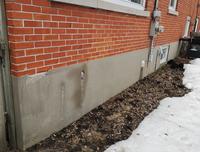
Spring is the ideal time for a foundation inspection because soil conditions and moisture levels during this season often expose structural issues. As temperatures rise, snow melts, and the ground expands, homes may begin to show signs of stress caused by shifting soil, freeze-thaw cycles, and excess water.
That’s why National Foundation Inspection Week, observed each April, naturally leads into National Home Improvement Month in May. Together, they encourage homeowners to take a proactive approach to their home’s structural health at a critical time of year.
When to Schedule a Professional Foundation Inspection
Homeowners should schedule a professional foundation inspection as soon as warning signs appear. Trained and certified experts assess your home, identify the underlying cause of issues, and recommend the right solutions.
Scheduling a free inspection can help you:
- Understand your home’s structural condition
- Identify potential problems early
- Get clear guidance on foundation repair options and timelines
For many homeowners, this step provides peace of mind, even if no immediate repairs are needed.
Common Foundation Repair and Moisture Solutions
Modern foundation repair solutions address both structural movement and moisture-related issues. Depending on your home’s needs, solutions may include:
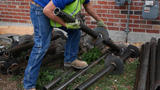
- Foundation piers to stabilize settling or sinking structures
- Drainage systems to manage water and prevent intrusion
- Crawl space encapsulation to control moisture and improve air quality
- Concrete lifting and crack repair to prevent further damage
Each solution is customized to the home, helping ensure long-term performance and protection.
Reinvesting Your Tax Refund into Foundation Stability

As tax season wraps up, many homeowners look for smart ways to reinvest their refund. Putting those funds toward foundation repairs can be a wise, high-impact decision.
In some cases, certain home improvements related to structural repairs or drainage may contribute to long-term property value, and specific energy-efficient upgrades may qualify for tax incentives. Because eligibility varies, homeowners should consult a qualified tax professional or refer to Internal Revenue Service guidance to understand what may apply to their situation.
A Shared Commitment to Safer Homes

A quick visual check is a valuable first step, but it isn’t a diagnosis. If something doesn’t look right, the best next step is to have your home inspected by a trained and certified foundation repair expert.
Schedule your free foundation inspection this April. It’s a simple, proactive step that helps protect your home while supporting a safer, stronger community.
Foundation Inspection FAQs
It’s a good idea to get a foundation inspection every couple of years, especially if you notice damage. If you work with Groundworks to repair your foundation, you can take advantage of annual service and maintenance programs that include evaluations of your home and any repair solutions installed.
If you notice widening cracks, bowing walls, or if the cracks are accompanied by water intrusion, it’s best to get a professional inspection.
Inspections from people like engineers typically cost a few hundred dollars. This is helpful, and they recommend repairs and oftentimes companies that can install them. However, it’s a good idea to seek assistance straight from a foundation repair professional, like Groundworks, who will conduct a free inspection and provide you with an honest, transparent, and no-obligation repair estimate.