AI-Powered
 How Pittsburgh’s Soil Contamination Could Damage Your Foundation
It’s no secret that Pittsburgh is steeped in history, but the haunting effects of the Steel City’s industrial past may surprise you.
Decades of emissions from steel mills, coking plants, and coal combustion have left a toxic legacy in the soil, particularly on Upper St. Clair home foundations.
If you live in the Pittsburgh suburb of Upper St. Clair, here’s what you need to know about Pittsburgh soil contamination, its impact on foundations, and what you can do to protect your property.
The Hidden Threat Below: Pittsburgh’s Industrial Legacy
A recent study by researchers from the University of Pittsburgh, Carnegie Mellon University, and the Allegheny County Conservation District has revealed concerning findings about Pittsburgh soil contamination and its potential impact on home foundations, particularly in areas like Upper St. Clair.
The study found that Pittsburgh’s soil contains toxic metals—including arsenic, cadmium, copper, lead, and zinc—stemming from historical emissions from the region’s once-dominant steel and coal industries. This contamination is especially concentrated in the eastern half of Pittsburgh, where prevailing winds and temperature inversions trap pollution closer to the ground.
Major contributors to this pollution include historical coking plants, smelters, coal combustion facilities, and secondary lead smelting operations. While most facilities have long since closed, active operations like the Clairton Plant and the Edgar Thomson Plant may still be contributing to soil contamination levels in surrounding areas.
Upper St. Clair: A Community Concern
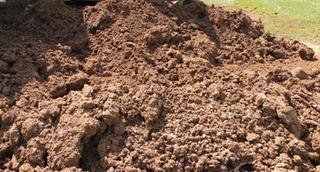
For homeowners in Upper St. Clair, this information is particularly relevant. While the area is known for its beautiful homes and community-focused lifestyle, the soil composition—consisting of silt loam, silty clay loam, and expansive clay soil—already presents challenges for home foundations. When combined with potential contamination from heavy metals in soil throughout Pittsburgh, foundation damage from soil can multiply.
The area’s soil composition, which naturally expands and contracts with moisture changes, is now complicated by the presence of industrial contaminants that may alter soil behavior even further. This is especially concerning for homes that are 55 years or older, which make up a significant portion of Upper St. Clair’s housing stock.
How Contaminated Soil Affects Your Home’s Foundation
Understanding the toxic soil impact on homes requires looking at several key factors:
Altered Soil Structure
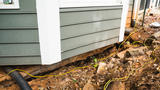
Heavy metals and pollutants can weaken soil over time, making it more porous and prone to erosion. This can lead to settling or sinking foundations, a particular concern for Upper St. Clair home foundations built on the area’s already challenging soil types.
Changed Moisture Dynamics
Industrial contaminants like those from the Clairton Plant can alter how soil absorbs and retains water. Heavy metals bind with clay particles, potentially increasing the expansion-contraction cycle that already affects the expansive clay soil in the area.
Concrete Deterioration
Arsenic and other acidic compounds found in contaminated soil can gradually corrode concrete and masonry. Older homes with traditional concrete foundations are especially vulnerable to crumbling, spalling, and structural weakening.
Drainage Issues
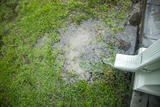
Toxic soil often demonstrates poor drainage properties, leading to water pooling around foundations. With Upper St. Clair’s clay-heavy soil already presenting drainage challenges, the addition of contaminants can exacerbate foundation water exposure.
Infrastructure Damage
Aging drainage systems, septic tanks, and sump pumps may deteriorate faster when surrounded by polluted soil and groundwater, creating secondary foundation issues.
DIY Homeowner Checklist: Is Your Home at Risk?
Before calling professionals, homeowners in Pittsburgh suburbs, including Upper St. Clair, can do a quick DIY foundation check:
Signs of Foundation Damage from Soil Issues: When to Worry
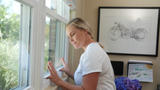
If your home’s foundation is suffering due to toxic soil, you might notice:
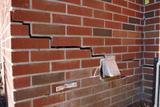
These signs worsen over time, leading to safety risks and expensive repairs. Don’t panic when you see them, but don’t ignore them, either. If you spot multiple warning signs, it’s time to speak to local professionals about safeguarding your home.
How to Repair and Protect Pittsburgh Home Foundations
Addressing foundation issues requires swift intervention, and you have various options.
What Homeowners Can Do to Protect Their Homes
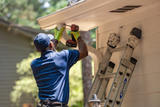
DIY solutions can help slow damage, but they won’t fix the underlying foundation issues caused by Pittsburgh’s soil contamination. Here are some short-term prevention steps:
When to Call a Foundation Repair Professional
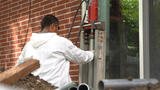
If your foundation shows significant signs of movement, DIY solutions won’t be enough. Foundation repair specialists like Baker’s Waterproofing will assess the damage and install solutions such as:
Protect Your Pittsburgh Home Today and For the Future
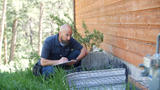
Pittsburgh’s industrial past has left its mark on home foundations, particularly in Upper St. Clair, with toxic soil, heavy metals, and poor drainage contributing to structural issues. The good news? Early detection and professional intervention can prevent costly repairs.
If you notice foundation warning signs, don’t wait until the damage worsens. Schedule a free foundation inspection with Groundworks today. We understand the challenges and frustrations of foundation damage from soil, but our permanent solutions alleviate these issues. Your home’s foundation is its backbone. Keeping it strong means protecting your investment for years to come.
Foundation Repair FAQs
The shrink-swell behavior of clay soil can cause foundation movement, leading to cracks in walls, uneven floors, and other structural issues.
While not all cracks require immediate concern, it’s vital to examine horizontal, diagonal, and stair-step cracks that are expanding in width, as well as gaps around windows and doors. Further exploration is recommended for cracks accompanying bowing walls and uneven floors. Regions with clay-based soil experience an increased risk of foundation issues.
While some minor issues might be temporarily alleviated with quick fixes, lasting repairs generally require professional assessment and intervention.
Related Resources