

 AI-Powered
 Polar Vortex and Weather Patterns: How It Impacts Winter Across the U.S.
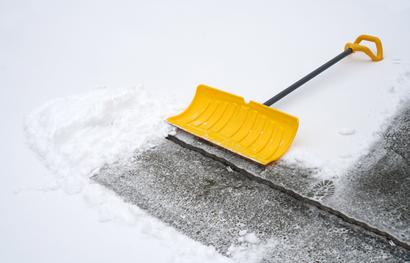
We’ve all heard the term “polar vortex” during the winter months, especially when the temperatures drop below freezing.
But do we really know what it means? Simply put, a polar vortex is a big area of icy cold, low-pressure air that typically stays near the North Pole. But sometimes, it doesn’t stay put. Changes in weather patterns can cause this freezing air to dip south, bringing intense cold to areas that don’t usually experience such extreme weather.
What Causes the Polar Vortex to Shift?
So, why does this freezing air suddenly show up in places like Texas or the Midwest?
The causes of polar vortex disruptions often come down to the jet stream. The jet stream is like a fast-moving river of air high above us that usually keeps the cold air locked near the North Pole.
But sometimes, the jet stream weakens or gets wobbly, and that’s when the trouble starts:
- Warming in the Arctic: Rising temperatures in the Arctic can disturb the balance, letting cold air escape.
- Sudden Stratospheric Warming (SSW): This is when the layer of air above the polar vortex warms quickly, pushing the cold air down into lower latitudes.
- Climate Change: While it doesn’t directly cause the polar vortex, it influences the weather patterns that make these disruptions more common.
How Does the Polar Vortex Change Weather Patterns?
The polar vortex and weather patterns are closely connected. When the polar vortex dips south, here’s what can happen:
- Freezing Temperatures: Areas like the Midwest, Northeast, and even the South can experience record-breaking cold snaps.
- Snowstorms: Cold air mixing with moisture can lead to heavy snowfall, especially in places like the Great Lakes and Northeast.
- Unusual Cold in Warmer Areas: Regions like Texas or the Southeast, which aren’t used to extreme cold, can face serious challenges.
- Longer Winters: If the polar vortex sticks around, it can delay spring weather, keeping things icy longer than expected.
How Does the Polar Vortex Affect Your Home?
The impact of polar vortex events isn’t just about bundling up in layers—it can take a serious toll on your home, too.
Here are some common problems:
- Frozen Pipes: When temperatures drop too low, water pipes can freeze and burst, leading to expensive repairs.
- Foundation Cracks: The cycle of freezing and thawing in the soil can create cracks in your home’s foundation.
- Ice Dams: Snow on your roof can melt and refreeze, leading to water leaks inside your home.
- Skyrocketing Heating Bills: Prolonged cold can make your HVAC system work overtime, driving up your energy costs.
Polar Vortex FAQs: What You Need to Know
Here are some questions people often ask about the polar vortex:
Yes, but it doesn’t always dip south and cause extreme cold.
While it’s not directly caused by climate change, warming temperatures in the Arctic make disruptions more likely.
The Midwest and Northeast usually get hit hardest, but even southern states can feel its effects.
What to Know Next about the Polar Vortex?
In this post, we answered your question about the polar vortex and its impact on weather patterns and homes. We explored how the polar vortex forms and the causes of the disruptions it can bring to regions across the U.S.
There is a lot more to learn on this topic, so in the next article, we provide tips to prepare your home for a polar vortex, such as sealing cracks, insulating vulnerable areas, and addressing foundation issues.
