AI-Powered
 The Soil Triangle and Preventing Foundation Damage
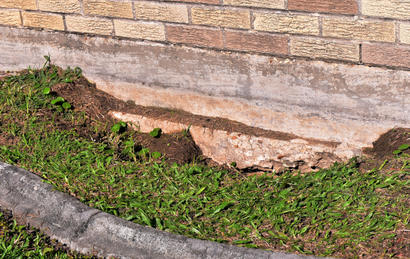
Did you know that the soil beneath your home directly impacts your foundation’s stability? Many homeowners are unaware of how essential proper construction practices really are. Soil characteristics affect your home’s stability and long-term durability.
This page answers “What is the soil triangle?” and explains how improper soil classification can lead to damage that requires foundation repair.
What is the Soil Triangle?
The soil triangle chart is used to classify soil texture and type. Twelve sections with intersecting horizontal and diagonal lines comprise the soil triangle. The point at which these lines meet determines the soil’s classification, such as loam, sandy clay loam, or silty clay.
Homebuilders and agriculturalists know how to read a soil triangle to determine whether the soil type is suitable for plant growth or strong enough to support a structure like your house.
The Soil Types
The soil texture triangle identifies and classifies soil types based on their consistency of sand, silt, and clay. It identifies 12 major soil texture classes:
- Sand: Coarse-textured soil with large particles, excellent drainage capability, and low nutrient retention
- Clay: Fine-textured, high clay content soil, excellent nutrient retention, but doesn’t drain well
- Loam: Agricultural soil with equal parts of sand, silt, and clay, balanced drainage, and good nutrient content
- Silt: Fine-textured soil dominated by silt particles. This soil retains moisture but is prone to erosion
- Loamy Sand: Mostly sandy soil with traces of silt and clay, has better nutrient content than pure sand
- Sandy Loam: Equal sand, silt, and clay mix containing good drainage characteristics and moderate nutrient-holding capacity
- Silt Loam: Silt-rich soil with moderate sand and clay amounts, a smooth texture, and high nutrient content
- Sandy Clay Loam: Contains a higher proportion of sand and clay, offers good structural support, and moderate nutrients
- Clay Loam: Contains significant amounts of clay, sand, and silt, and offers good nutrient retention and moderate drainage
- Silty Clay Loam: High silt and clay content, retains moisture and supports plant growth
- Sandy Clay: Contains substantial sand and clay properties, provides good drainage, and retains adequate moisture
- Silty Clay: Fine-textured soil, rich in silt and clay, retains moisture but may have poor drainage
Professionals know how to read a soil triangle to understand these soil types better and make informed agricultural, construction, and environmental management decisions.
How Does Soil Affect Settlement?
Soil characteristics directly affect foundation settlement. The factors affecting home foundations include:
- Soil Characteristics: Soil compressibility affects home foundations based on load-bearing capacity. Expansive clay soil is an example of this, as this soil type expands when it becomes saturated with rainwater or snowmelt and contracts during dry spells.
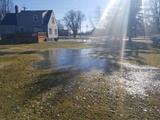
- Moisture: Heavy rain and flooding contribute to soil saturation and water pooling near the foundation. This leads to significant settlement over time, especially when clay soils are involved.
- Compaction: Poorly compacted soil can lead to settlement, as natural ground shifts can lead to movement.
- Soil Erosion: Water runoff and wind can cause soil erosion that undermines foundational support, leading to differential settlement and instability.
Signs of Foundation Settlement
Several signs may indicate foundation settlement. Here are a few:
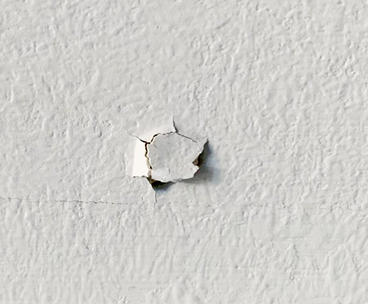
Identifying the signs of foundation damage and repairing damage at the onset prevents further damage and more extensive and costly repairs. If you suspect damage, contact your local foundation repair expert for an inspection. Prevention and early detection safeguard your home.
What to Do if Your Home Has Foundation Settlement

Understanding the relationship between soil composition and foundation stability is essential for both homeowners and builders, as the soil your foundation rests on directly influences the durability and safety of your home.
The soil triangle chart helps professionals classify soil texture and type so they can make informed decisions and prevent potential foundation issues. These practices safeguard your investment and ensure the longevity and integrity of your home.
If you suspect foundation settlement, contact Groundworks. Our certified inspectors conduct free inspections and offer tailored repair strategies to fit your unique situation and budget. Begin your journey toward a safer home today.
Foundation Soil FAQs
We specialize in polyurethane injection to densify loose soils and expansive clay treatment to reduce soil swelling and shrinkage.
Absolutely. Our team is equipped to handle projects of all sizes, providing consistent, high-quality service nationwide.
Yes, by increasing soil density and treating expansive clays, we mitigate future risks of settlement, movement, or damage to foundations.