AI-Powered
 Understanding Soil Types in West Virginia and Their Impact on Homes
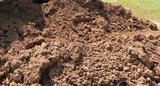
“Wild, Wonderful West Virginia” has it all, including diverse, picturesque scenery and a host of soil types beneath everything. According to the West Virginia University Extension Service, the state has over 195 soil series, each with unique properties and characteristics.
Understanding soil composition is helpful for property owners, as it can significantly impact a home’s foundation, basement, or crawl space.
This comprehensive guide explores soil types in West Virginia and delves into their effects on residential structures. By understanding the state’s unique soil conditions, homeowners can make informed decisions when considering foundation repair for their homes.
What Soil Types Can Be Found In West Virginia?
West Virginia is home to an array of soil types, each with unique characteristics and properties. According to the United States Department of Agriculture (USDA) Natural Resources Conservation Service, there are three main types of soils across the state: residual, alluvial, and colluvial.
1. Residual Soils
Residual soils are formed due to the weathering of bedrock, such as sandstone, shale, and limestone, which are common throughout West Virginia. These soils generally have high clay content and are often found on hillsides and mountainous regions.
Residual soils vary in depth and structure, depending on the underlying bedrock and degree of weathering. Residual soils in West Virginia can be broken into additional categories:
- Alfisols: These well-drained soils form in moderately weathered materials such as shale, sandstone, and siltstone. Alfisols are common in West Virginia’s Appalachian Plateau and Ridge and Valley regions.
- Ultisols: These highly weathered soils form in acidic parent materials such as granite and gneiss. Ultisols are common in the state’s Allegheny Plateau region.
- Inceptisols: These young soils form in poorly weathered materials such as sandstone and shale. Like alfisols, inceptisols are common in the Appalachian Plateau and Ridge and Valley regions.
- Entisols: These young soils have little or no development. Entisols are common in areas of recent deposition, such as river floodplains.
- Spodosols: These acidic soils form in sandy parent materials and are characterized by a distinctive white or gray subsurface layer. Spodosols are common in the eastern and northern parts of West Virginia.
- Mollisols: These fertile soils in grassland ecosystems are characterized by a thick, dark topsoil layer. Mollisols are rare in West Virginia but can be found in some areas of the eastern panhandle.
2. Alluvial Soils
Alluvial soils are formed from sediment carried by water, typically found in floodplains and along riverbanks. These soils vary in texture, ranging from sandy to silty, with varying degrees of clay content. Alluvial soils in West Virginia are often nutrient-rich and have good water-holding capacity, making them ideal for agriculture.
3. Colluvial Soils
Colluvial soils are formed from the accumulation of sediment and rock fragments that fall from slopes and valleys. These soils are generally shallow, poorly sorted, and have a variety of textures, from gravelly to clayey. Colluvial soils can be unstable and prone to erosion, especially on steep slopes.
Digging Deeper Into Specific Soil Types
These three main soil types differ across specific soil regions in West Virginia, named after the rivers that flow through those regions and enrich the soil. These soils include:
Unique Characteristics of West Virginia Soils
High Clay Content
Many West Virginia soils have a high clay content, which can pose challenges for home construction. Clay-rich soils can expand and contract with changes in moisture content, leading to foundation movement and structural damage. Proper foundation design and construction techniques are essential for building on these expansive soils.
Variability Across Regions
There is a wide range of soil types across West Virginia because of the state’s diverse geology. This variability leads to different construction challenges for homeowners depending on the area they live in. It is crucial to understand the specific soil conditions of your region before beginning any construction or renovation projects.
How Does Soil Type Impact Home Foundations?
The soil types found in West Virginia have a significant impact on foundations. Weather and soil conditions are often the biggest culprits behind foundation damage.
Soil Bearing Capacity
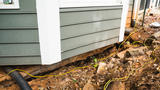
The bearing capacity of a soil is its ability to support the weight of a structure without excessive settlement or failure. Different soil types have varying bearing capacities, which can influence the best foundation type for a home. Proper foundation design is essential to prevent settlement.
Soils with low bearing capacity, such as clay soils or poorly compacted soils, lead to uneven settlement and foundation problems. These issues can result in cracks in walls, floors, and foundations, as well as misaligned doors and windows. In some cases, poor bearing capacity can cause complete foundation failure, requiring costly repairs or even reconstruction.
Soil Settlement
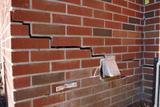
Differential settlement occurs when different parts of a home’s foundation settle at different rates, often due to varying soil conditions beneath the structure. This uneven settlement leads to structural damage, including cracked walls, floors, and foundations.
To prevent or mitigate settlement issues, it’s helpful to conduct thorough soil testing and analysis before working on a foundation. A geotechnical engineer can provide recommendations for appropriate foundation construction or repair options based on a property’s specific soil conditions.
Expansive Soils
Expansive clay soils cause significant foundation damage. This soil swells when wet and shrinks when dry, resulting in foundation heave, hydrostatic pressure, cracks in walls and floors, and other structural issues. Poorly drained soils, such as those with high clay content, can lead to moisture accumulation in basements and crawl spaces. Excess moisture causes a variety of problems, including mold growth, wood rot, damaged insulation, and standing water.
Proper drainage and moisture management, including basement waterproofing or crawl space encapsulation systems, are critical to minimize the impact of water on a home’s foundation.
Protect Your Home From Soil Problems With Groundworks
As a homeowner, understanding West Virginia’s unique soil conditions is the first step in protecting your home. Expansive soils, poor load-bearing capacity, and water infiltration can all take a toll on your foundation, but you don’t have to face these challenges alone.
At Groundworks, we tailor solutions to safeguard your foundation, crawl space, and basement, giving you confidence that your home is safe for years to come. Schedule your free inspection today and let us help you protect what matters most: your home and your family’s peace of mind.
Soil FAQs
The main soil types include clay, silt, sand, and loam, with various combinations found in different regions.
Yes, poor soil composition that leads to foundation problems can decrease a property’s value.
The shrink-swell behavior of clay soil can cause foundation movement, leading to cracks in walls, uneven floors, and other structural issues.
Related Resources