AI-Powered
 What Is a Lally Column? History, Function, and Maintenance Tips
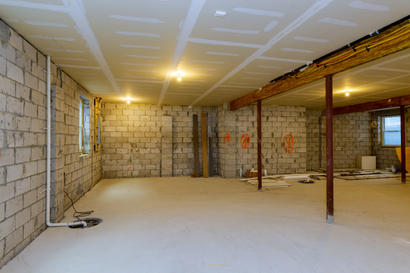
If you have sagging floors or other structural problems in your property, installing or replacing lally columns can instantly restore stability and safety. Common in New England homes, these steel components, typically filled with concrete, provide long-lasting support for your foundation. On this page, learn the purpose and benefits of lally columns for homes in our part of the world.
- Lally Columns Definition
- History of Lally Columns
- Temporary vs. Permanent Lally Columns
- Lally Columns vs. Jack Posts
- What Do Lally Columns Look Like?
- Cost to Install or Replace a Lally Column
- Installing Lally Columns
- Maintenance and Inspection Tips
- Why Lally Columns Matter in New England Homes
- When to Replace Lally Columns
- How Groundworks Can Help
Lally Columns Definition
A lally column is a vertical column made of steel and usually filled with concrete. It provides support by distributing weight from the upper floors of your home to your foundation. Contractors often install lally columns in basements, crawl spaces, and garages.
You can find both fixed and adjustable lally columns. The latter are more flexible because you can modify them over time, which may be useful if you experience settlement or shifting under your home.
History of Lally Columns
Invented in the late 1800s by John Lally in Waltham, MA, lally columns were created to be safer and more durable than wood. Their steel design made them both fire-resistant and insect-proof, which quickly made them a staple in homes across New England. Today, they remain one of the most effective solutions for stabilizing aging or uneven homes in the region.
Temporary vs. Permanent Lally Columns
Both temporary and permanent lally columns are available. Here are the differences between them:
Temporary Lally Columns
- Used during renovation projects, such as removing walls or replacing beams
- Offer short-term support without the need for permanent installation
Lally Columns
- Provide long-term support for sagging floors, aging beams, and other structural problems that might occur in your home
- Take longer to install but offer a more durable solution
Lally Columns vs. Jack Posts
Jack posts and similar components provide temporary support during construction or renovation. Permanent lally columns, on the other hand, offer long-term structural support, which may make them more suitable for your specific needs.
What Do Lally Columns Look Like?

Lally columns are steel tubes measuring 3-4 inches in diameter. They may be painted, boxed in with drywall, or left exposed in basements, crawl spaces, and other areas.
A contractor like Groundworks can install lally columns directly under major beams or load-bearing walls in your home, helping you avoid expensive structural issues down the line.
Cost to Install or Replace a Lally Column
The cost of installing or replacing lally columns depends on various factors, such as their size and height, the cost of materials, and the project’s complexity. The average price is around $2,000-2,500 per column, including labor.
Always use a licensed contractor to install or replace lally columns. Incorrectly fitting these components can lead to structural failure, potentially costing you more money in the long run.
Installing Lally Columns
A contractor may install a lally column as follows:
- Evaluating the basement, crawl space, or other installation area
- Determining the distance between the floor and the beam that is being supported
- Cutting the column to length (if it’s non-adjustable)
- Securing the base and top plates
- Ensuring the column is correctly aligned
- Securing the column and carrying out a final inspection
Maintenance and Inspection Tips
You can ensure a lally column is in good condition by inspecting regularly for:

- Rust on the column’s outer shell
- Crumbling or cracking concrete
- Shifting or movement of the column
Also, keep the base of the column as dry as possible — excess moisture can lead to corrosion.
There may be a problem with a lally column if you experience any of the following:
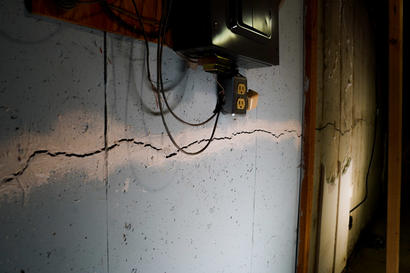
- Sagging floors
- New cracks in basement walls or ceilings
- Sticking doors and windows
If you notice any of these issues, contact a professional like Groundworks as soon as possible.
Why Lally Columns Matter in New England Homes
Lally columns are important in this region for the following reasons:
- Fieldstone foundations, common in New England, often require lally columns for support. These foundations have walls constructed of stone and mortar instead of concrete.
- Harsh winters, freeze-thaw cycles, and heavy snow can put pressure on your beams. Lally columns help distribute weight and prevent sagging floors and other issues.
- If you have an older or historic home, lally columns can preserve the structural stability of your property.
When to Replace Lally Columns
Lally column replacement may be required in these scenarios:
- Rust is spreading or becoming more advanced
- A lally column has shifted or tilted
- The concrete inside a lally column is cracking or otherwise deteriorating
- You’re considering a major renovation, like a wall removal
How Groundworks Can Help

Lally columns provide long-lasting foundation support for New England homeowners, making them well worth the investment. However, you’ll want to work with a professional like Groundworks when repairing your basement in any capacity. Otherwise, you could risk damage to your property and jeopardize the safety of your loved ones.
At Groundworks, we’ve supported homes across New England with tailored, expert-driven solutions. Our team knows the challenges this region brings—from frozen ground to fieldstone foundations—and we’re ready to help. Schedule a free inspection with our team now.
Lally Column FAQs
Never remove or relocate a lally column without consulting a structural engineer. They support critical loads, and improper handling can compromise your home’s integrity.
Yes. Many homeowners choose to box them in with drywall, wood, or decorative materials to match basement finishes, as long as it doesn’t affect structural access.
The load capacity depends on the column’s diameter, material, and installation method. Typical lally columns can support several thousand pounds, but exact ratings require engineering specs.
Related Resources