AI-Powered
 What Should I Do If My House Is Shifting?
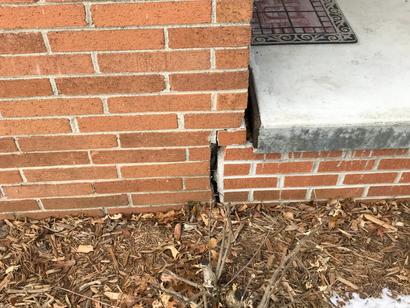
When you notice that first wall crack or feel a door that won’t close properly, it’s enough to make you pause. Is your home trying to tell you something? Those subtle signs may indicate that your house is settling, and while some shifts are common, knowing when to address the issues can save you thousands of dollars in the long run.
This guide explores the causes of settlement, how to identify foundation issues, and the most effective foundation repair options available to homeowners.

Why Is My House Shifting?
Houses shift because the base beneath them exerts pressure on the surrounding soil, which causes foundation settlement. Most structures will experience minor settling over time, even if it is not noticeable. When this settlement is uniform, it’s generally not a cause for concern.
What is Uniform and Differential Settlement?
Uniform settlement occurs when a home settles evenly, while differential settlement happens unevenly. Understanding the differences will help in identifying potential foundation problems. Here’s a quick overview of each settlement type:
- Uniform Settlement: Even, or uniform, foundation settlement is typically normal, harmless, and does not cause structural damage.
- Differential Settlement: This type of settlement occurs when the soil shifts unevenly beneath the home, resulting in cracks, misalignment, and shifts. Over time, this settling places extreme stress on the foundation and may lead to visible damage, such as uneven floors and drywall cracks, or more severe symptoms, like structural failure.
What Causes Uniform Foundation Settlement?
Uniform settlement occurs due to predictable, natural conditions and proper site preparation. It is not typically a cause for concern. Contributing factors include:
- Natural Soil Compaction: The soil beneath the foundation compresses uniformly under the weight of the home.
- Even Weight Distribution: No section of the home is significantly heavier than any other, which reduces stress concentration.
- Proper Drainage: Effective drainage systems help prevent excess moisture from softening the soil unevenly.
- Consistent Soil Type: Foundations built on a single, uniform type of soil are less likely to experience shifting.
When these conditions are met, slight, even settlement is expected and usually does not cause structural damage.
What Causes Differential Foundation Settlement?
Differential settlement is caused by environmental, structural, and construction-related factors and often leads to house shifting. Causes include:
- Improper Soil Compaction: Building on loose or disturbed soil that hasn’t been properly compacted can result in uneven settlement.
- Expansive Soils: These soils swell when wet and shrink when dry, exerting repeated stress on the foundation. Clay-rich soils are especially problematic.
- Weather Changes: Alternating dry and wet seasons cause soil to contract and expand, moving the foundation.
- Inadequate Drainage: Excess moisture around your home weakens the soil and contributes to instability.
- Excavation Near the Home: Digging close to the foundation, such as for landscaping, additions, or pools, can disturb soil stability.
- Earthquakes and Floods: Seismic activity and water flow can shift or wash out the foundation’s support.
- Soil Creep: On sloped lots, gravity can slowly pull soil downhill, affecting the foundation over time.
Related Resource: Understanding Differential Settlement
How Can You Tell if Your House is Shifting?
You can tell your house is shifting by watching for signs like wall cracks, uneven floors, or gaps around exterior walls and trim. Recognizing the early warning signs of foundation movement will help prevent longer-term damage. Watch for these symptoms:
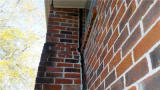
- Bowing Basement Walls: Soil pressure can cause basement walls to bow inward.
- Chimney and Porch Separation: These may detach from the main structure due to a shifting foundation.
- Stairstep Cracks in Brick: A common sign of foundation shifts.
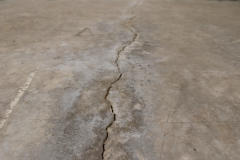
- Cracked Floors: Cracks on floors that extend from wall to wall may suggest foundation movement.
- Uneven Floors: Sloping, sagging, or bouncing floors are common issues associated with foundation problems.
- Walls Pulling Away from Ceilings and Floors: Gaps may appear where walls meet the ceiling or floor.

- Doors and Windows Sticking: Frames become misaligned and don’t open or close properly.
- Diagonal Cracks Above Doors and Windows: Large diagonal cracks are a strong indicator of differential settlement.
- Cracked Walls and Ceilings: Hairline cracks are often harmless, but wide or growing cracks may indicate structural problems.
What to Do If Your House Is Shifting
Your home’s stability depends on its foundation. If you notice problem signs, don’t wait to address them. Here’s what to do:
- Conduct a DIY Inspection: Check for visible cracks, sticking doors and windows, and sloping floors.
- Check Drainage Conditions: Clean gutters and install downspout extensions if needed to prevent water accumulation near the foundation.
- Schedule a Professional Inspection: Foundation repair experts inspect your home, explain the issue, and recommend tailored solutions. Ensure the professional is licensed and offers a warranty for foundation repairs.
How to Fix a House That Has Shifted
If your home is shifting, several foundation repair solutions can help stabilize it. The good news is that most homes experiencing differential settlement do not need a full foundation replacement.
Professional Foundation Repair Methods
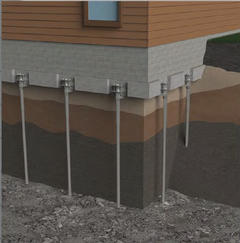
- Push Piers (Resistance Piers): Steel piers driven into stable soil using hydraulic pressure. These lift and stabilize your home by transferring the load to deeper, load-bearing strata.
- Helical Piers: These screw-shaped piers are rotated into the ground, providing reliable support based on torque resistance. Ideal for lighter structures or challenging soil conditions.
- Drilled Concrete Piers: Often used for homes on hillside properties, these are drilled deep into the earth to anchor the foundation to stable bedrock.
- Slab Piers: Installed through small holes in the concrete slab to stabilize interior sections of the foundation. Steel brackets connect them to the slab for added support.
If your house is shifting, keep in mind that all foundations built on soil will experience some degree of settlement over time. Minor, uniform settlement is usually not a concern. The real issue is differential settlement, which can cause severe structural damage. Because this isn’t a DIY fix, it’s important to contact a qualified foundation repair expert.
When to Call a Foundation Repair Expert
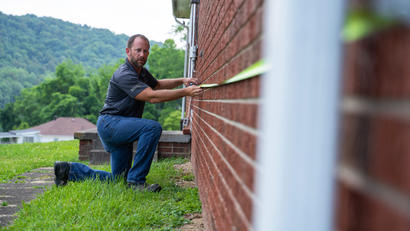
Minor settlement is typical, but if you notice significant shifting or worsening structural issues, contact a foundation repair expert. DIY fixes may provide temporary relief, but they won’t address the underlying cause of damage.
Foundation repair experts assess your situation and recommend long-term solutions to restore your home’s stability and protect your investment.
Contact Groundworks for a free, no-obligation inspection today.
FAQs
Yes, foundation repair restores the stability and integrity of your building, preventing further damage. Solutions like helical piles and polyurethane injection provide long-lasting support for your foundation.
Yes, unresolved foundation settlement can significantly decrease your home’s value due to the potential for structural issues and costly repairs.
Yes, areas with expansive clay soils, high water tables, or poor drainage systems are more prone to foundation settlement issues.