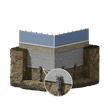
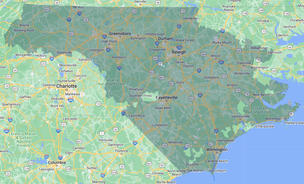
In Supply, NC, the combination of a humid climate and clay soils can lead to significant foundation stability issues for homeowners. Signs such as foundation cracks, bowing walls, and uneven floors may indicate underlying problems that require immediate attention. Our expert foundation repair solutions utilize advanced techniques like helical piers and Intellibrace™ wall braces to restore the structural integrity of your home. Trust our team to provide a thorough assessment and effective remedies tailored to your specific situation.
Tar Heel Basement Systems, a Groundworks Company, has been a leading provider of home repair services in Supply since 2003, with a strong commitment to quality and customer satisfaction reflected in our A+ BBB rating. Our certified field inspectors offer free in-home inspections and personalized quotes, ensuring that every homeowner receives the best solutions for their needs. With years of experience and a reputation for excellence, we are dedicated to helping you maintain a safe and stable home.
Common Causes of your Foundation Problems in Supply
Have you ever wondered why homes in this area might experience foundation issues over time? The unique environmental patterns surrounding Supply play a crucial role in how the soil and moisture around your foundation behave. Moisture levels can fluctuate with seasonal changes, leading to soil expansion and contraction. In some neighborhoods, the soil's response to moisture can weaken the structural integrity of your foundation. Additionally, local coastal exposure can introduce salt air which may affect concrete over time, further complicating foundation conditions in certain locales. Plus, high groundwater levels can challenge houses, particularly in low-lying areas or where drainage is inadequate, increasing the risk of water seepage that affects foundational integrity.
These conditions can exert significant stress on foundations, basement walls, and crawl spaces. Homes in the region may show signs like cracks in brickwork, uneven floors, doors that stick, or water pooling in basements, all of which could indicate underlying issues needing attention. Understanding the root causes—soil movement from moisture changes or poor drainage—helps in spotting these warning signs early. Addressing these problems promptly can prevent them from worsening, protecting both your property and your peace of mind. Remember, early detection and appropriate interventions are key in mitigating further damage to your home's foundation.
Foundation Repair Solutions We Provide For You in Supply
Whether insurance covers water leaks under a foundation largely depends on your specific policy. Most homeowners' insurance policies cover sudden and accidental water damage but exclude damage resulting from maintenance issues, such as leaks caused by poor maintenance or gradual seepage. It's important to review your policy or speak with your insurance provider to understand your coverage.
Common signs of foundation problems include uneven floors, cracks in walls around windows or doors, doors and windows that stick or do not open and close properly, and gaps around window frames or exterior doors. If you notice these signs, it's advisable to consult with a foundation repair expert for a professional assessment.
Yes, poor drainage or improper grading in Supply can lead to foundation problems. When water is not properly directed away from the home, it can accumulate around the foundation and cause soil erosion, hydrostatic pressure, or swelling, all of which can lead to foundation damage. Ensuring proper water drainage and grading is crucial in preventing such issues.
To prepare your home for a foundation repair project, start by clearing the area around the foundation. Remove any outdoor plants, furniture, or items that might interfere with the repair process. Inside, secure fragile items and remove any wall decorations or valuables that could be damaged. Make arrangements for noise and possible disruptions, and if necessary, secure alternative accommodation during the repair work. It's also helpful to discuss with your repair contractor any specific preparations needed.
Helical piers and push piers are both used to stabilize foundations, but they differ in design and installation. Helical piers are screw-like piles driven into the ground, ideal for lighter structures or where soil conditions are varied. Push piers are hydraulically driven into the ground through foundation brackets, suitable for heavier structures and consistent soil conditions. The decision on which one to use depends on the specific requirements of your site and structure.
How it works
Straightforward and simple process
Schedule an inspection
Upon arrival, our Inspector will introduce themselves and chat with you about the problems you're experiencing. Based on the information you provide them, they'll then create a plan of action to examine your home inside and out.
Receive a detailed repair plan and quote
Once the inspection is complete, the Inspector will sit with you and present their findings. And because we provide same-day estimates, you'll have all the cost and financing information you need to make a decision right away.
Get the work done when you're ready
When you're ready to move forward with repairs, we'll help you choose an installation date that works for your schedule, and notify our Installation team immediately of the upcoming work.


 AI-Powered