AI-Powered
 Vertical Cracks in Walls Explained
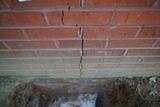
A crack in the wall can be a minor cosmetic issue or a sign of a more serious problem, such as a cracked foundation. Understanding the different types of cracks in walls can help determine when professional intervention is necessary. Some cracks may form due to natural settling, while others could indicate structural failure.
This article delves into the main reasons behind cracks in walls, how to distinguish between structural and non-structural wall cracks, common repair techniques, and preventative measures to avoid future cracks.
Types of Cracks in Walls
Cracks in walls come in a variety of shapes and sizes, including the following:
- Vertical wall cracks
- Horizontal wall cracks
- Stairstep cracks in brick
- Drywall cracks
- Bowing wall cracks
What Causes Cracks in Walls?
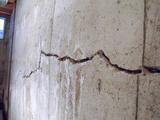
Unlike other types of cracks in walls, the cause of vertical cracking may not always be apparent. Some common sources of structural cracks in walls include the following:
- Foundation Settlement: As buildings age, they naturally settle into the ground, causing minor structural shifts. This settlement process can lead to a cracked wall.
- Foundation Shifting: Foundation movement due to soil expansion and contraction exerts tremendous pressure, which can result in walls cracking under the strain.
- Temperature Fluctuations: Significant temperature changes can cause building materials to expand and contract. A rapid freeze-thaw cycle is a common cause of wall cracks.
- Water and Moisture Damage: Water infiltration from poor drainage, leaks, or excessive humidity can weaken building materials, leading to structural cracks in walls.
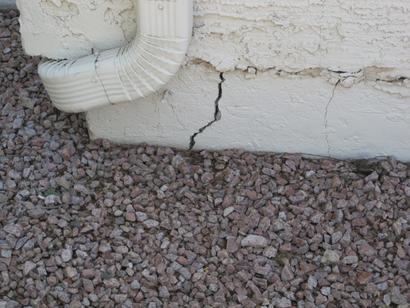
If you notice a crack in the wall that wasn’t there previously, it’s important to schedule a foundation inspection to determine the root cause of the damage. If left unchecked, a cracked foundation can quickly lose its structural integrity, leading to bigger, more expensive problems down the road.
Cracks in Walls and Ceilings: When to Worry
Not all wall cracks are a cause for concern, but certain patterns can signal deeper issues. A cracked wall with small, vertical cracks is often due to minor shifts in the foundation and may not require immediate attention. However, if the crack in the wall is wide, jagged, or accompanied by doors and windows that stick, it could indicate a cracked foundation.
Horizontal cracks and stair-step cracks in walls are particularly worrisome, as they can suggest significant structural movement. These cracks in walls and ceilings should be evaluated by a foundation specialist to assess the extent of damage and necessary repairs.
How to Treat Vertical Cracks
If walls are cracking due to foundation issues, professional repair is recommended. Here are some common foundation repair solutions:
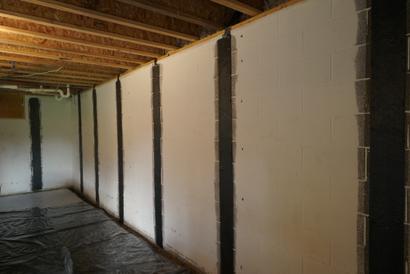
Carbon Fiber Support Strips
These strips are adhered to the wall with a strong epoxy, providing additional reinforcement and preventing further movement. When applied properly, carbon fiber strips can restore structural integrity without the need for extensive demolition or reconstruction. This method is especially useful for addressing vertical cracks caused by minor foundation shifts or settling.
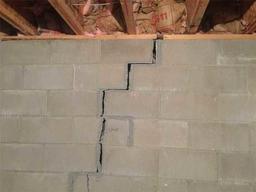
Wall Crack Sealants
Crack sealant is a versatile and straightforward method for repairing a vertical crack in drywall or other wall materials. This approach involves filling the crack with a specialized sealant that can expand and contract with the wall, ensuring a durable repair. Crack sealants are ideal for minor, non-structural types of cracks in walls, providing an easy and cost-effective way to prevent further damage and maintain the appearance of the wall.
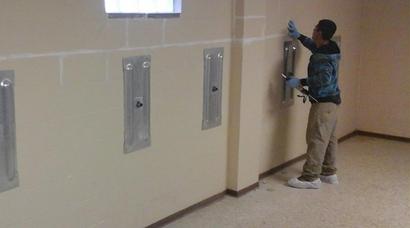
Wall Anchors
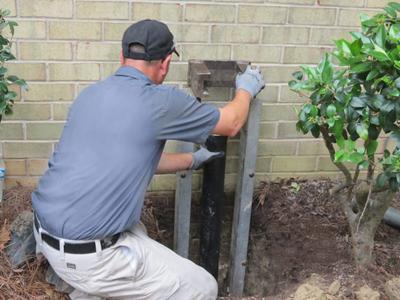
These anchors are installed by driving steel rods through the wall and into the soil outside, where they are secured with metal plates. This creates a bracing system that counteracts the pressure causing the cracks, effectively pulling the wall back into its original position. By stabilizing the wall and preventing further movement, wall anchors can halt the progression of vertical cracks.
Foundation Piers
By lifting and stabilizing the foundation with heavy duty helical piers or push piers, you can effectively close vertical cracks and prevent future shifting or settling. This method is particularly suited for severe types of cracks in walls, offering a comprehensive fix that addresses the root cause of the problem, ensuring long-term stability and safety of the structure.
Choose Groundworks for All Things Crack Repair

While some cracks in walls are harmless, others signal severe foundation problems. If you notice extensive cracks in walls and ceilings, don’t ignore them. Contact the experts at Groundworks for a no-cost foundation inspection and service estimate.
Foundation Crack FAQs
Subtitle
In severe cases, yes. Horizontal cracks caused by hydrostatic pressure or expansive soil can weaken the wall’s stability.
Sealing alone may be a temporary fix; the underlying issue, like foundation movement, needs to be addressed to prevent recurring cracks.
If you notice widening cracks, bowing walls, or if the cracks are accompanied by water intrusion, it’s best to get a professional inspection.
Related Resources