

 AI-Powered
 Cracked Slab Foundation
Slab foundation cracks are common, but they are also repairable. Learn how to identify the early warning signs and explore effective repair methods to safeguard your home.

How to Tell if Your Slab Foundation is Cracked
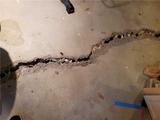
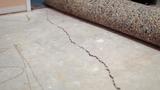
You can tell if your slab foundation is cracked by looking for visible splits in exposed concrete or interior signs, such as uneven floors, gaps around windows, or drywall cracks. In some homes, cracks are hidden beneath carpet or flooring, so sloping floors, dips, or soft spots can be vital clues.
Changes outside your home can also reveal a cracked slab foundation. Exterior brickwork separation, cracks, or gaps along the base of the foundation, or misaligned garage doors, may indicate slab movement. Nearby landscaping can also provide clues, such as soil pulling away from the foundation.
If you notice these issues, schedule a professional foundation inspection to confirm the problem and strategize a repair plan.
Why Is It Important to Repair a Cracked Slab Foundation?
Repairing a crack in a concrete slab foundation is vital for preventing structural damage, moisture intrusion, and extensive repairs later. Addressing cracks early also helps maintain your home’s safety, stability, and value. Knowing how to tell if your slab foundation is cracked helps you address problems before they worsen.
What Are the Warning Signs of a Cracked Slab Foundation?
Cracks in a slab aren’t always easy to spot, especially if the concrete is covered by carpet, tile, or hardwood. While visible cracks are the most obvious sign, many slab foundation problems reveal themselves in more subtle ways. Look for clues that hint at slab shifting or settling, such as:
These warning signs often develop gradually as the slab shifts, so monitoring changes over time is critical. Left unchecked, these problems often progress to visible cracks and more significant structural issues.

Where Do Slab Foundation Cracks Typically Appear?
Slab foundation cracks typically appear in visible areas, such as basement floors, garages, and utility rooms, where the concrete slab is exposed. These cracks often form near load-bearing walls, plumbing lines, or places where soil pressure is uneven. If your floors are carpeted, you may not notice the crack, but you might experience uneven walking surfaces, dips, or squeaks when stepping on certain areas.
What Causes Slab Foundation Cracks?
Slab foundation cracks are most often caused by:
These factors often work together, with soil movement and water intrusion amplifying the effects of settlement. Without timely repair, cracks can worsen and lead to serious structural problems.
How Often Should You Schedule a Home Foundation Inspection?

Schedule a professional foundation inspection annually, even if you don’t see visible cracks. Annual checkups help detect early warning signs that might otherwise go unnoticed. An inspector can detect hidden cracks under carpet, tile, or laminate, as well as early signs of soil movement.
While many inspections don’t reveal significant issues, the occasional early detection helps prevent major damage and saves time and money in the long run.
How Do Slab Foundation Cracks Affect the Rest of the Home?
Foundation slab cracks can affect the entire home, causing damage to the interior and exterior of the property. In some cases, structural issues are the cause, not just the result, of slab cracks. Without proper repair, a cracked foundation slab can lead to widespread structural issues.
- What Interior Problems Can Slab Foundation Cracks Cause?
Interior problems caused by slab cracks include uneven floors, cracked walls, and sticking doors. These symptoms are often indicative of a larger underlying issue, such as soil movement or inadequate structural support. It’s essential to address both the foundation cracks and the underlying conditions causing them to achieve a long-term fix.
- Can Slab Foundation Cracks Indicate Exterior Property Damage?
Yes, slab cracks can indicate exterior property damage, including cracked patios, driveways, and sidewalks, often caused by the same soil movement affecting your slab. Damage to these areas can further indicate inadequate drainage systems and water management across your property.
If you suspect a crack, even if you can’t see it, schedule a professional inspection. Cracks hidden under carpet or flooring can still cause major structural problems if left unaddressed. Expert guidance from Groundworks ensures you receive a tailored solution that protects your home for the long term.
Cracked Slab Foundation FAQs
At some point, you may have heard that a concrete slab foundation will often crack. This may have come from someone who had cracking problems with the concrete slab foundation and didn’t know how to prevent it. Understanding cracks in a slab foundation can be beneficial to ensuring you invest in the right response for your slab foundation.
- Early Hairline Cracks
One thing that may occur in a concrete slab foundation is that you might notice hairline cracks forming in the first few months after pouring the concrete. Because the concrete will continue to shift and shrink very slightly as the months go by, it’s possible for you to experience hairline cracks within about the first year after pouring.
- Cracks Long After the Pouring Process
However, if you start to notice cracks that are forming long after the pouring process is complete, it’s likely there’s something wrong. This is one reason it’s a good idea to do regular inspections of your concrete. Even if the cracks are only hairline, it’s a good idea to take a look at potential underlying causes if you notice hairline cracks out of nowhere.
- Bigger Cracks
Pretty much all larger cracks are a problem. If you notice any cracks that are larger than a business card’s width, it’s a good idea to call in an expert. It’s likely that these cracks are coming from an underlying cause, like foundation shifting, and you may need to tackle those underlying causes.
Absolutely. Homes built on slab foundations can develop voids due to soil movement or erosion. Depending on the severity, polyurethane injection may work, but slab piers might be needed to provide deep structural support. Only a professional inspection can determine the best approach.
Cracks in concrete slabs can significantly detract from the appearance of your property, lowering its curb appeal and potentially its value. More importantly, these cracks can evolve into serious safety issues like tripping hazards if left unaddressed.
Disclaimer: “Concrete leveling” means the process by which cracked, uneven concrete is stabilized, and in many cases lifted, by means of PolyRenewal™ polyurethane foam. Groundworks does not guarantee that PolyRenewal™ can make your concrete perfectly level.

What Is the Best Way to Fix a Cracked Slab Foundation?
The best way to fix a cracked slab foundation is to identify the underlying cause and apply the appropriate repair method, such as slab piers, epoxy sealants, or polyurethane injections. The right solution depends on factors like soil conditions, crack severity, and structural load, so a professional evaluation is essential.
Cracks in your slab foundation aren’t always a sign of major structural failure, but they should never be ignored. If you notice slab cracks, along with other warning signs, such as uneven floors or water intrusion, contact your local Groundworks Company. Our experts provide free inspections, identify the underlying causes, and recommend a customized repair plan tailored to your unique home and budget.