AI-Powered
 How to Insulate a Crawl Space to Prevent Frozen Pipes
by Leah Leitow | November 1, 2024
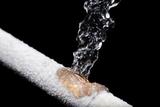
One of the biggest concerns homeowners face during winter is figuring out how to prevent frozen pipes, especially when temperatures drop low, and their homes have crawl spaces.
But at what temperature do pipes freeze? And, will shutting off water keep pipes from freezing?
If your crawl space isn’t sealed or insulated, it becomes crucial to learn how to insulate a crawl space effectively.
Let’s explore those questions and get some answers.
What Temperatures Do Pipes Freeze?
Pipes inside your home can freeze when the exterior temperature drops below 20°F.
At this temperature, the water inside pipes can start to solidify, causing expansion that leads to increased pressure. If the temperature remains low for an extended period, this pressure can eventually cause pipes to crack or burst, leading to water damage.
However, even temperatures slightly above 20°F can put pipes at risk, especially in uninsulated areas like crawl spaces or exterior walls, where cold air exposure is greater. Taking preventive steps to maintain warmer temperatures around your pipes is essential in avoiding damage.
Will Shutting Off Water Keep Pipes from Freezing?
Shutting off your water supply can help prevent pipes from bursting, but it may not completely stop them from freezing.
Here’s what shutting off your water can do:
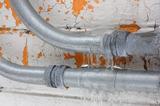
- Prevents Pressure Buildup: If the pipes do freeze and expand, shutting off the water prevents additional pressure from building up, which can reduce the risk of the pipe bursting.
- Reduces Water Damage: If a pipe freezes and cracks, no additional water will flow into it, which can help minimize potential flooding and water damage.
- Offers Temporary Relief: While it stops immediate damage, it doesn’t solve the issue of frozen pipes in uninsulated areas like crawl spaces.
Consider insulating your crawl space or using other methods to maintain warmth around your pipes for a more comprehensive solution. This can prevent freezing altogether rather than just reducing the risk of burst pipes.
Which Crawl Space Insulation Materials Do I Use to Prevent Frozen Pipes?
When it comes to insulating your crawl space, you have a few options. Most contractors will likely use these three mold-resistant and waterproof solutions:
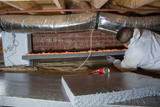
- Spray foam insulation: Its fast-expanding and pest-resistant chemical compound seals cracks. Spray foam is commonly applied to rim joists and attics. Though effective, it’s slightly expensive compared to other solutions.
- Rigid foam insulation: This type of thermal insulation consists of solid boards with a radiant barrier on one side. It’s best for sealing crawl space walls. Since it’s durable, it’s a fantastic choice for unfinished spaces. ExtremeBlocTM has an incredible R-value of 11 and can turn your crawl space into an energy-efficient network.
- Cellulose Insulation: Cell spray foam is eco-friendly, long-lasting, and fire-resistant. It’s suitable for filling wall cavities and enclosed spaces around the home.
The cost of insulating your crawl space will vary depending on its size and condition during renovation. Talk to your local crawl space expert to find out which material is best for your home.
How to Insulate A Crawl Space
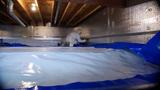
When learning how to prevent frozen pipes, the first line of defense is insulating the crawl space and installing a vapor barrier.
Sealing the crawl space locks out cold air and helps you create a steady temperature closer to the one inside your home. As a result, pipes are less likely to freeze.
Your crawl space is delicate and potentially hazardous. Its inspection, insulation, and encapsulation are best left to professionals, like your local Groundworks company.
Here’s how we approach these essential tasks:
- Clean the crawl space. Remove old, stained, and damaged insulation, debris, pest droppings, and rocks, and then disinfect the place.
- Inspect the wooden beams and joists to ensure none is in lousy shape or mold-ridden. If they’re damaged by termites, you will have to replace them.
- For maximum climate control, the walls of the crawl space should be insulated using rigid foam panels.
- Seal the cavity between floor joists and walls to ensure your floor remains warm and comfortable. Your local contractor may use foam insulation. We don’t recommend fiberglass batt as it absorbs moisture and attracts mold.
- Seal all entry points and air vents between the crawl space and conditioned space using low-expansion foam.
- Next, fasten a 20-mil vapor barrier on top of the crawl space floor with tape.
- Seal all subfloor openings to keep pesky rodents away and prevent air loss.
- Insulate your ductwork and plumbing using heating tape to prevent heat loss and freezing.
If flooding is a problem, waterproofing solutions like a crawl space interior drain system, sump pump, and dehumidifier should be considered.
Prevent Frozen Pipes This Winter with Expert Crawl Space Insulation
Understanding how to insulate a crawl space is essential in protecting your home from the costly damage caused by frozen pipes.
While shutting off water temporarily reduces the risk of burst pipes, it’s not a complete solution for how to prevent frozen pipes during winter.
For long-term peace of mind, trusting professionals like Groundworks is the best choice. Our experienced pros have been inspecting and protecting crawl spaces around the country for decades, and homeowners trust our industry-leading repair solutions.
Schedule a free inspection today to prepare your home for winter!
FAQs
Pipes in crawl spaces are more prone to freezing because they are often exposed to cold air and lack adequate insulation. Because crawl spaces are below the home and often have poor airflow, they can quickly drop to freezing temperatures during winter, making exposed pipes vulnerable to freezing.
Encapsulating a crawl space involves sealing the walls and floor with a durable vapor barrier, which helps to control moisture and stabilize temperature. Encapsulation also includes insulating the walls and potentially adding a dehumidifier to maintain optimal conditions. Encapsulation reduces the chances of pipes freezing by preventing cold air from entering the crawl space, as it keeps the temperature within the space more consistent and above freezing even during cold spells.
Air leaks in a crawl space allow cold outside air to enter, lowering the temperature. When cold air seeps in, it can directly expose pipes to freezing conditions, especially if they’re uninsulated. Air leaks make it harder to maintain a stable temperature in the crawl space, increasing the risk of frozen pipes during winter. Sealing these leaks can significantly help keep the space warmer and protect the pipes.

Groundworks