

 AI-Powered
 Sump Pump Failures
Sump pumps can help waterproof your basement against flooding. What causes these devices to fail? Let’s take a look.
What Are the Causes of Sump Pump Failures?
Sump pumps are essential devices that help keep your basement dry during even the wettest seasons. These machines keep water from entering your basement, but they are not infallible.
What can you do when your sump pump does not seem to be working? What can cause an otherwise well-maintained sump pump to fail?
Sump Pump Problem Signs
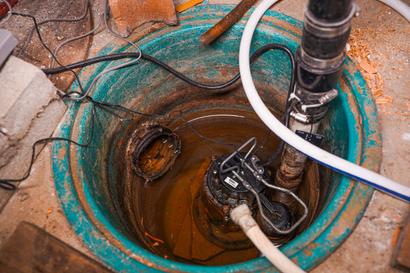
A reliable sump pump averts water away from your home with ease. Unfortunately, homeowners may not always be able to detect that their sump pump has an issue until it is too late. What are some problem signs of pump failure you need to look for?
- Flooded Basement
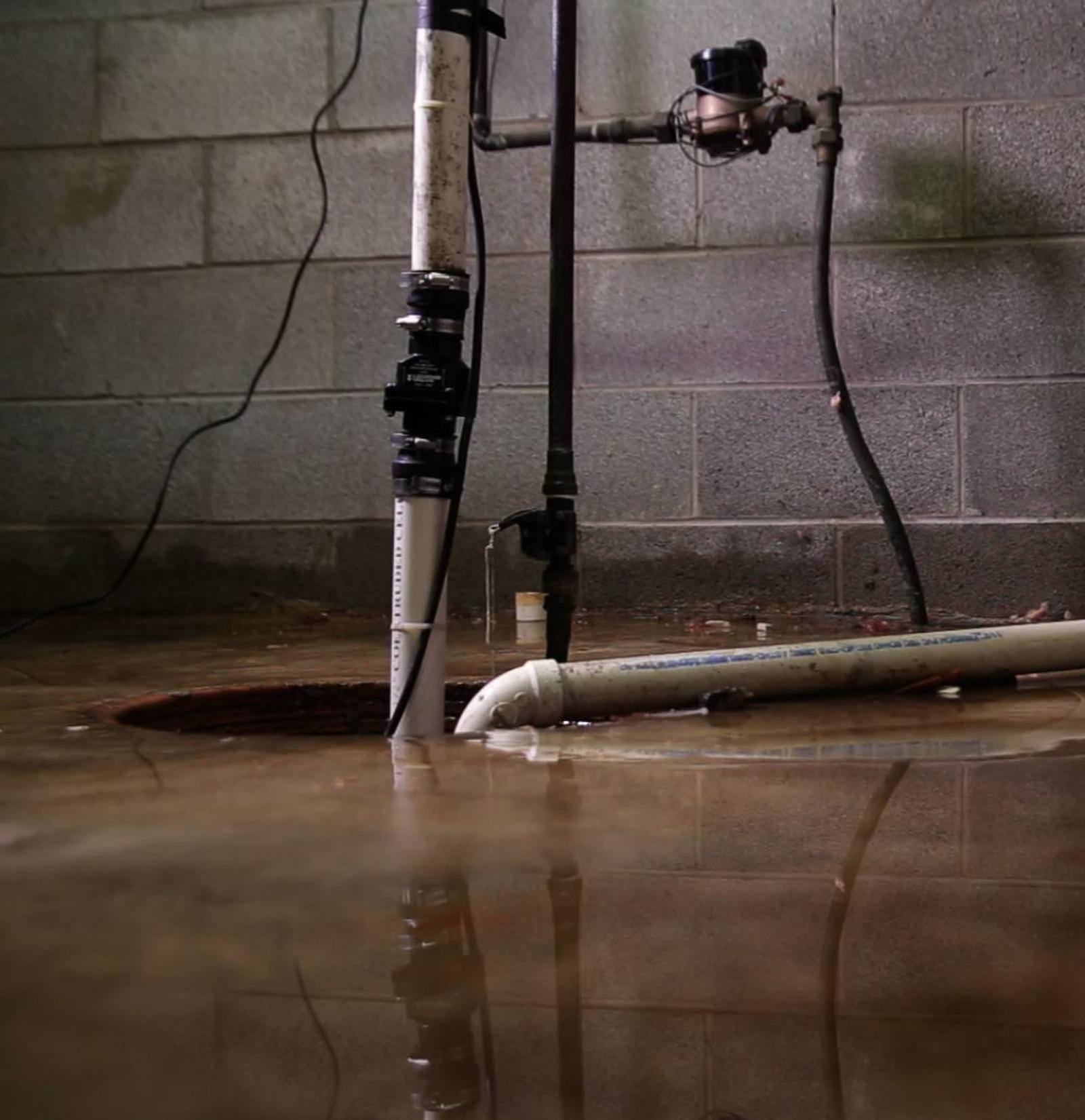
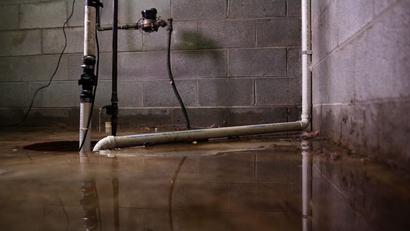
This is perhaps the most obvious sign that something is wrong with your sump pump. The sump pump is built to prevent this from happening in the first place. If the sump pump cannot move enough water out of your basement in time, it is likely to flood the place.
A flooded basement can cause significant damage to any belongings you store down there. It can even damage the foundation it rests over if you continue to let the water stand for too long. The foundation might start to shift out of alignment or fracture and create even more issues.
Many cities that have to deal with wet weather much of the year will be especially at risk for flooding. The City of Virginia Beach Department of Public Works estimates that the percentage of yearly rainfall will continue to increase in the future. Their best solution to this problem is for homeowners to implement some sort of engineered protection to keep their homes dry.
- Water Damage
The sump pump is meant to stop water from damaging your basement. If you notice small puddles of water on your floor or water trickling down your walls, you will know something is wrong with your sump pump.
Causes of Sump Pump Failure
Some homeowners may not realize their sump pump is failing until it’s too late—others might be dealing with a beeping alarm signaling trouble. In either case, here are some common causes of sump pump failure to watch for.
How to Fix Sump Pumps
If your sump pump is beeping or fails to prevent flooding, you might think it’s time for a replacement. But new pumps are pricey—and the issue could be fixable.
While some problems have simple DIY solutions, others may require a professional to get your system back on track. So where do you start with a sump pump that won’t cooperate?
- Replace the Battery or Power Source
No power, no pumping. If your sump pump is beeping or not turning on, the battery might be drained or the unit could be unplugged. During storms, outages are common—so check your power source or replace the backup battery to get things flowing again.
- Leave It to the Experts
Ultimately, it is best to leave sump pump repair to the experts. Sump pumps have many working parts, some of which should not be tampered with by just anyone. If you attempt to fix your sump pump on your own, you are more likely to make things worse; the pump may seem like it’s functioning for some time but it is more likely that some crucial internal component might be damaged or work slower than before. Most homeowners do not even have access to the right tools to fix their sump pumps.
A professional will have these essential tools as well as the expertise needed to fix your sump pump. They are also well aware that each basement presents unique problem areas and issues. Should you need a new sump pump, they are more than willing to help you out with that as well.
They will find the optimal installation location and the type of sump pump that suits your budget. They will also install the entire system for you within a matter of days. You will not have to struggle with navigating through all your piping systems if you simply let an expert handle installation for you.
Call an Expert in Case of Sump Pump Failure
Sump pump failure can be quite a frustrating experience. After all, you bought the pump to prevent flooding, not to be the cause of the flooding itself. What can you do when your sump pump fails?
It is best to leave sump pump repair to the experts. Sump pumps are quite intricate. One wrong placement of a gear or slip can break the entire machine.
Sump pump experts know the right methods to fix your machine so it can keep your basement dry for years to come. Contact your local Groundworks branch for a free inspection and estimate. Our experts will make sure that you have all the information you need to protect your home.
Sump Pump Failure FAQs
It’s common for homeowners to wonder whether they can DIY fixes in and around their property. Although you may be able to do this for many things, you definitely shouldn’t try to do it for your sump pump. Many problems might arise with trying to fix your sump pump on your own.
- The Issues with DIY
A sump pump is made up of many complex parts that most homeowners don’t have the tools to fix themselves. This is the primary problem with DIY. Because you’re doing it yourself, you’re less likely to be able to fix things that tend to go wrong with sump pumps. You may even cause damage to the sump pump with an attempted fix (or hurt yourself!).
Of course, there are some things you can do for your sump pump. Carrying out regular maintenance, for example, will help you to minimize the likelihood of avoidable breakdowns. By keeping the sump pit free from debris, checking your discharge line, and booking annual maintenance appointments with your local plumbing service, you will keep your pump in good condition for years to come.
- Trust an Expert for Your Sump Pump Fixes
Not only are sump pump professionals equipped with the latest tools to fix these pumps, but they will know exactly what’s wrong with the pump. They can quickly patch it up and have it working again in no time at all without causing any further issues for your home. Trust your sump pump to the experts at Groundworks for a truly effective fix that will maintain itself for years.
A professional will also be able to tell you when your sump pump is reaching the end of its lifespan. After all, even the most well-maintained appliance reaches a point where it is simply outdated; as this time approaches, your maintenance professional will let you know. This will give you time to plan and save for a replacement.
Yes, owning a backup pump can be a crucial safeguard for your home. It provides an extra layer of protection against basement flooding during power outages or primary pump failures, ensuring your basement stays dry even in unexpected situations.
Using a sump pump alongside the appropriate drainage system can drain any water that might seep into your basement. A sump pump’s function is simple, and you typically don’t have to physically interact with the sump pump to make sure it starts. Here’s what you need to know about the functioning process of the sump pump.
- Detect Water Intake
First, the sump pump will detect the water level in your basement or crawl space. This is almost always an automated procedure; the method the sump pump uses to detect the water level may vary, but you typically don’t have to do anything to ensure your sump pump starts pumping out water once it gets to a level that’s high enough in your crawl space.
The signal to activate is usually given by a ‘floating’ switch which is pushed upwards as the water level rises (though this is not always the case). This ensures that you get efficient protection and that your sump pump is not damaged by running ‘dry’. As a result, you can expect your basement or crawl space to be dry and your energy bills to be kept to a minimum.
- Pump out Water
The next step is to pump out the water. This is a process that may vary dramatically, depending on the style of sump pump that you use, but at the end of it all, it’s going to do essentially the same thing: ensure that the water in your basement or crawl space leaves the area. Most models use an electric-powered motor, though some models use other motor styles.
Whatever motor you have, however, the drainage capabilities of your pump rely just as much on your discharge line. The discharge line is the channel that accepts the water being removed from your property and ensures that it reaches the right drainage systems. If your discharge line is blocked you will soon notice problems.
- Direct Water into the Appropriate Place
The water needs somewhere to go once the sump pump has removed it. It’s not possible for you just to direct the water immediately outside the basement or crawl space, as this tends to increase hydrostatic pressure and therefore future water problems. Instead, a discharge line will typically direct the water into a storm drain or further out in the yard where proper landscaping will angle it away from your property’s perimeter.
Older sump pumps may have a discharge line that terminates directly outside of a property, but this is now known to be harmful. If you have a pump like this we can either upgrade your sump pump or install perimeter drains to catch and safely dispose of the discharge in a way that protects your property as a whole and prevents the creation of a ‘clay bowl’ around your home.
Press and hold the reset button on the control panel until the alarm stops or a confirmation sound plays, then call a professional. If the alarm keeps going off after a reset, it may point to a bigger issue. Contact a sump pump professional right away.
Press the test button on the control panel or simulate a power outage by unplugging the pump. The backup should activate immediately. If not, call a professional immediately.


