

 AI-Powered
 Top 5 Common Concrete Problems & How to Fix Them
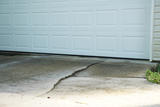
Cracks, sinking slabs, and uneven concrete surfaces are more than just eyesores—they can be dangerous and costly if left unaddressed. From driveway cracks to uneven walkways, these concrete problems often stem from common causes like shifting soil or water damage.
With the right solutions, you can restore your concrete and prevent future problems. Discover the top 5 concrete problems homeowners face and learn the best way to fix them for good.
Most Common Concrete Issues
Concrete is built to last, but it isn’t invincible. It can still face a variety of issues that compromise its strength and appearance such as cracks, unevenness, and surface damage.
Understanding these issues is the first step to protecting your property. Here are the most common signs homeowners across the country deal with.
1. Improper Curing
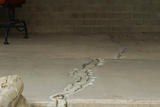
Concrete needs time, space, and the right amount of moisture to dry and harden properly. If it doesn’t have these conditions, it can become weak and start to crack.
This can lead to unsightly damage on your driveway, patio, or sidewalk. Over time, cracks can grow larger, making the concrete less safe and less durable.
2. Concrete Cracks

Cracks in concrete can happen due to changes in temperature, moisture levels, weak soil, or pressure from heavy loads. They can appear as small hairline cracks or wider, more noticeable breaks.
While some cracks appear normally as concrete settles, larger breaks or cracks that continue to spread indicate a bigger problem. If you spot any cracks, it’s best to fill them quickly to prevent further damage and keep your concrete safe and looking good.
3. Installation Mistakes
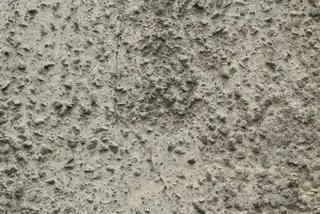
Mistakes can happen when construction teams pour concrete around your home. If the concrete is poured unevenly, it can crack more easily, look less smooth, and become damaged sooner.
An uneven surface can also be a safety hazard for your family. In most cases, it’s best to have poorly poured concrete removed and replaced as soon as possible.
4. Uneven Concrete
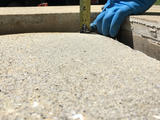
Uneven concrete can happen due to poor installation or natural settling over time. This can create raised or sunken areas that are not only unattractive but also pose a tripping hazard.
Water can also pool in these low spots, causing further damage and weakening the concrete. If you have uneven concrete, it’s important to repair or level it to keep your property safe and looking good.
5. Pitting, Flaking, and Staining

Concrete commonly develops several surface problems over time, such as pitting, flaking, and staining. Pitting occurs when small holes or dents form, often due to freezing and thawing, chemicals, or wear and tear, making the concrete look rough and worn.
Flaking, or spalling, happens when the top layer starts to peel or chip away, usually from moisture, cold weather, or harsh chemicals, exposing the deeper layers to more damage. Staining results from oil, rust, dirt, or chemical spills, causing discoloration that can make the concrete look old, dirty, and damaged.
What’s Causing Your Concrete Problems?
If you’re noticing cracks, uneven surfaces, or other issues with your concrete, several factors could be to blame. Here are the most common causes:
- Soil Movement: Shifting soil beneath the concrete can lead to cracks and uneven surfaces.
- Water Damage: Excess moisture can cause concrete to weaken, crack, or sink over time.
- Poor Installation: Improperly mixed or laid concrete is more prone to problems like cracking and settling.
- Temperature Fluctuations: Repeated freezing and thawing cycles can expand and contract concrete, leading to damage.
- Tree Roots: Growing tree roots can push against concrete, causing it to crack or become uneven.
- Heavy Loads: Excessive weight from vehicles or heavy objects can cause concrete to sink or crack.
How to Fix Concrete Problems
At Groundworks, we use PolyRenewal™, a polyurethane injection system, to lift and stabilize damaged concrete. This modern and effective method involves injecting a lightweight, foam beneath the concrete where it expands to fill voids and raise the slab back to its original level.
Polyurethane injection is the best method for concrete for a number of reasons. Here’s why it’s the best choice:
- Fast and Effective: PolyRenewal™ cures quickly, allowing you to use your concrete areas the same day.
- Long-Lasting Solution: Unlike traditional methods (such as mudjacking), PolyRenewal™ resists moisture and soil movement, preventing future sinking or cracking.
- Minimal Disruption: The injection process is quick and clean, with no need for heavy machinery or extensive digging.
- Environmentally Friendly: PolyRenewal™ is eco-friendly, using a material that won’t degrade or pollute the soil.
By choosing PolyRenewal™, you get a durable fix that keeps your concrete safe and level for years to come.
Fix Your Concrete Issues With Groundworks
Don’t let concrete problems linger and lead to bigger headaches down the road. At Groundworks, we provide a concrete lifting solution that lasts with PolyRenewal™. Contact us today to schedule a free inspection and learn more about how we can keep your home safe and looking its best.
Concrete Problems FAQs
Many concrete surfaces can sustain damage like cracks. For example, newly poured concrete commonly develops hairline cracks during the curing process, and concrete older than 30 years is more susceptible to damage.
Protect your home’s concrete surfaces through sealing techniques, ensuring proper drainage to avoid erosion, evenly distributing weight, and regular inspection and maintenance.
Cracks in concrete slabs can significantly detract from the appearance of your property, lowering its curb appeal and potentially its value. More importantly, these cracks can evolve into serious safety issues like tripping hazards if left unaddressed.
Related Resources

Groundworks
Disclaimer: “Concrete leveling” means the process by which cracked, uneven concrete is stabilized, and in many cases lifted, by means of PolyRenewal™ polyurethane foam. Groundworks does not guarantee that PolyRenewal™ can make your concrete perfectly level.