AI-Powered
 Foundation Cracks: When to Worry and When to Relax
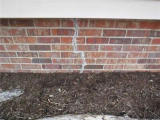
Foundation cracks can be a warning sign of structural problems or a normal part of your home settling. Knowing which type you’re dealing with is key to protecting your home’s value and safety.
This page outlines common warning signs and explains how to identify and repair foundation cracks.
- Do All Foundation Cracks Need to Be Repaired?
- When Should You Worry About Foundation Cracks?
- What Causes Foundation Cracks?
- What Are the Types of Foundation Cracks?
- What Are the Warning Signs of Foundation Cracks?
- How Are Foundation Cracks Repaired?
- How Can You Prevent Foundation Cracks?
- Contact Groundworks For a Free Foundation Inspection
Do All Foundation Cracks Need to Be Repaired?
No, not every foundation crack requires repair, but all cracks should be monitored. Hairline cracks from shrinkage are common and typically harmless, whereas wider or growing cracks often indicate serious structural issues. Experts use foundation benchmarking methods to evaluate the severity of a crack and determine whether it changes over time.
When Should You Worry About Foundation Cracks?
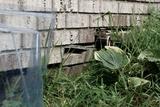
Large foundation cracks may signal structural issues, but smaller ones can also cause problems by allowing water, pests, or debris inside. Addressing cracks early helps prevent more serious damage. Several signs indicate the severity of foundation cracks.
Signs That Foundation Cracks Are Serious
- Cracks wider than 1/10 inch
- Cracks expanding over time
- Stair-step cracks in brick or masonry
- Horizontal cracks (with or without wall bowing)
- Vertical cracks near one another
- Cracks that expand across ceilings and walls
- Diagonal cracks
Foundation cracks vary by home; a professional inspection is the best way to determine if repairs are really necessary.
What Causes Foundation Cracks?
Foundation cracks are usually caused by one or more of the following factors:
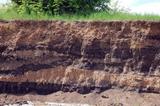
- Water Damage: Poor drainage, leaking pipes, and hydrostatic pressure can cause foundation cracks.
- Soil Movement: Expansive clay soil, erosion, and movement can lead to settlement and cracking.
- Soil Creep: Sloped lots can experience lateral soil movement, causing foundation shifts.
- Tree Roots: Large tree roots near the foundation absorb moisture and exert pressure, which can lead to cracks over time.
- Construction Problems: Improperly compacted soil causes uneven settling and cracking.
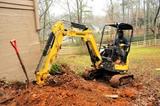
- Heavy Excavation: Nearby digging can destabilize the supporting soil.
- Structural Issues: Poor construction materials or inadequate structural reinforcement can lead to a cracked foundation.
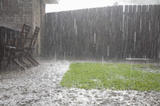
- Weather Changes: Sudden shifts in moisture or temperature can significantly impact soil volume and stability.
- Natural Disasters: Seismic activity can create structural shifts and cracks.
- Chemical Damage: Landscaping chemicals and construction materials can cause foundation deterioration over time.
These stressors contribute to differential settlement. This uneven foundation movement often results in cracks.
What Are the Types of Foundation Cracks?
Foundation cracks are either structural or non-structural in nature. Knowing the difference helps determine when to take action and the best repair option:
Non-Structural Cracks
Non-structural cracks are surface-level and do not compromise the foundation’s strength. They are often caused by natural concrete shrinkage or minor settling. While not a structural concern, they may still allow moisture intrusion and should be sealed when necessary.
Vertical Cracks
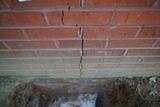
Vertical cracks are common non-structural cracks that are typically caused by concrete shrinkage or minor settlement. However, wider vertical cracks may allow water intrusion or indicate more significant underlying issues.
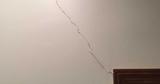
Hairline Cracks
Hairline cracks are typically less than 1/16 of an inch wide. These non-structural cracks often result from concrete shrinkage and don’t pose an immediate risk. However, they should be monitored for size changes.
Structural Cracks
Structural cracks form when there’s significant movement or stress in your home’s foundation, often due to shifting soil, poor construction, or foundation settlement. These cracks can weaken your home’s structural integrity and typically require professional repair.
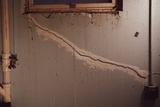
Diagonal Cracks
Diagonal cracks are often caused by differential settlement, a phenomenon in which the foundation settles unevenly. These cracks may widen at one end. Repairs often involve pier installation to lift and stabilize the affected foundation area.
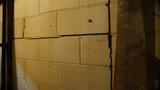
Horizontal Cracks
Horizontal cracks are the most serious type of foundation crack. They indicate inward pressure from soil or water against the foundation walls and typically require reinforcement with wall anchors or steel I-beams.
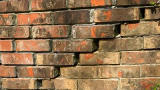
Stair-Step Cracks
Stair-step cracks appear in brick or block walls and are typically caused by foundation settlement or shifting. They often indicate structural damage and usually require pier installation to stabilize the foundation.
What Are the Warning Signs of Foundation Cracks?
If you’re unsure whether a foundation crack needs attention, look for these warning signs:
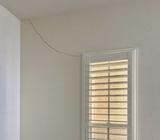
Foundation damage won’t fix itself, and it’s not always visible. Identifying early warning signs helps protect your home, ensure safety, and avoid expensive repairs.
How Are Foundation Cracks Repaired?
Foundation repair methods depend on the type and severity of the crack. Here are the most common repair methods:
Foundation Underpinning
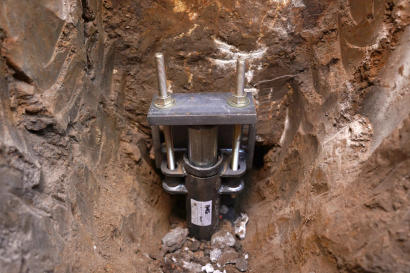
Push Piers
Push piers are driven deep into the stable soil layers. They help stabilize and potentially re-level your foundation while significantly reducing the risk of future cracks.
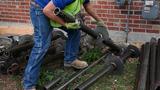
Helical Piers
Helical piers are ideal for lighter, sunken structures, such as porches and chimneys. These piers are screwed deep into the ground, permanently stabilizing and potentially lifting the foundation while reducing the risk of future cracks.
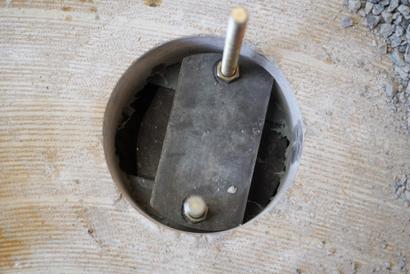
Concrete Slab Piers
Slab piers are installed through the slab to stabilize and lift sunken concrete foundations. They protect the interior walls and ensure structural longevity while preventing cracks in foundation sections. They are designed specifically for concrete slab foundations.
Foundation Wall Reinforcement
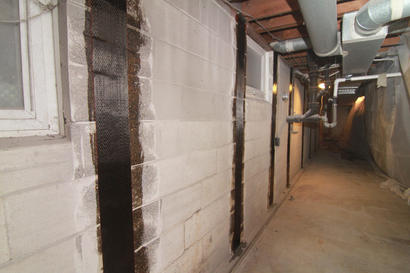
Carbon Fiber Wall Straps
Carbon fiber wall reinforcements stabilize foundation walls, preventing further movement and cracks. This is an excellent solution for homes with minimal perimeter space, because the thin, high-strength material bonds directly to the wall without requiring extra installation space.
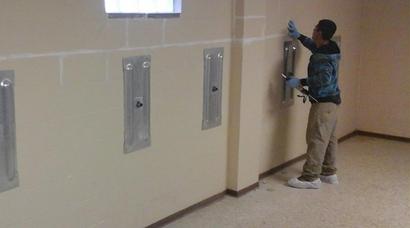
Wall Anchors
Wall anchors help stabilize bowing walls caused by hydrostatic pressure, preventing further damage and foundation cracks. While some improvement in the wall’s position may occur over time, the primary goal is to prevent further deterioration and restore structural integrity.
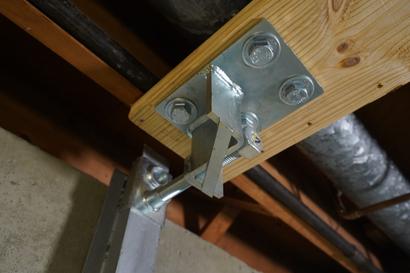
Steel I-Beams
Steel I-beams are one of the most effective solutions for stabilizing and straightening foundation walls. They are positioned vertically along foundation walls and fastened with brackets at both the top and bottom to reinforce structural stability.
Foundation Crack Sealing
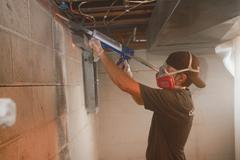
Epoxy Injection
Epoxy seals small to moderate cracks and prevents water intrusion.
Crawl Space Support
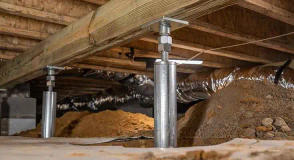
Crawl Space Jacks
Crawl space support jacks reinforce problematic joists, returning floors to level. They also prevent further sagging and settlement with a unique adjustable feature.
How Can You Prevent Foundation Cracks?
Preventing a cracked foundation begins with proper water management solutions. Here’s how you can protect your home:
- Grade your yard and landscape downward to direct water away from the foundation.
- Keep gutters and downspouts clean and clog-free to prevent water buildup.
- Install downspout extensions to carry water further from your home.
- Use interior and exterior drain tile systems for better water management.
- Consider waterproofing and encapsulation methods for additional protection against moisture.
Proactive water management is the most effective way to avoid future foundation problems and preserve your home’s structural integrity.
Contact Groundworks For a Free Foundation Inspection

While not every crack is cause for alarm, it’s critical to understand when foundation cracks signal deeper issues. Hairline cracks from shrinkage are normal and typically harmless, but wide or growing cracks should be professionally evaluated.
If you notice warning signs, contact Groundworks for a free foundation inspection. Our trusted local professionals provide honest, budget-friendly solutions to homeowners just like you.
Foundation Cracks FAQs
Homeowner’s insurance usually does not cover foundation repair. We recommend contacting your insurance provider to learn the details of your policy. Factors such as the age, type, and location of the foundation will influence whether your home is eligible for coverage. Groundworks offers affordable financing options. Contact us to learn more.
Ignoring foundation cracks can lead to various problems that can become costly both in terms of money and health. The cracks can become more extensive, jeopardizing the structural integrity of the entire foundation. Other risks include water infiltration, mold growth, and pest intrusion. All these issues can endanger your family’s safety and decrease the overall value of your home.
If there is a hairline crack – also known as dormant or shrinkage cracks – in your foundation wall or concrete, it usually is harmless. These cracks typically form within the first two years after your house is built and it naturally settles into place. However, when you see significant cracking like large, spreading cracks, this is a bigger issue that needs to be addressed by foundation repair professionals.