

 AI-Powered
 Foundation, Basement, and Crawl Space Repair in Southern, NJ
Foundation and concrete damage are common in Southern New Jersey homes due to the area’s soil composition and climate. Groundworks provides patented solutions to restore and safeguard your residence, ensuring its safety and stability.
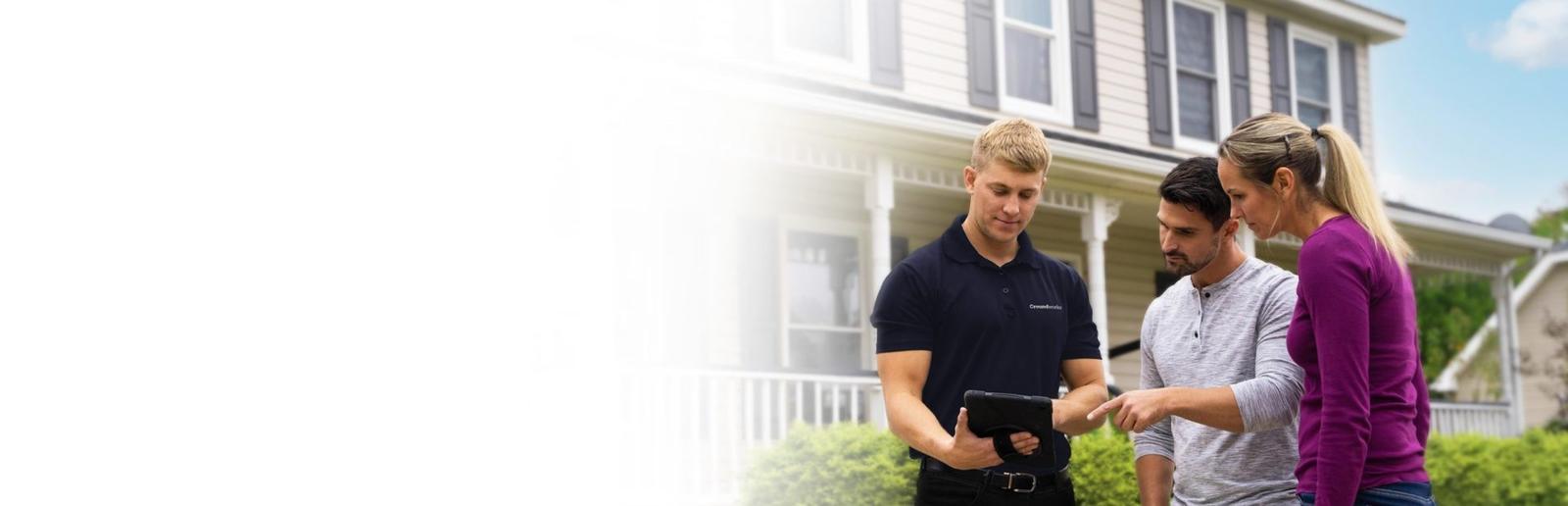
Foundation, Basement, Crawl Space, and Concrete Repair in Southern NJ
Southern NJ summers bring considerable rainfall, which transitions to snow in winter, resulting in significant moisture year-round. The region’s sandy loam soil easily absorbs this moisture, becoming saturated after heavy rainfall and snowmelt. This saturation leads to hydrostatic pressure against your home’s foundation and basement, jeopardizing structural stability. The professionals at Groundworks are certified to identify these signs and tailor our patented solutions to meet your home’s needs. Contact us to learn more about superior foundation solutions for your New Jersey residence.






Solutions Offered in Southern New Jersey
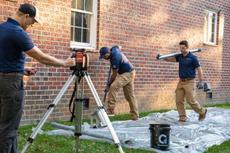
Foundation Repair
When problems with your home’s foundation arise, it can bring a variety of other issues along with it. Here’s how our specialized solutions can repair your home’s foundation to it’s original stability.
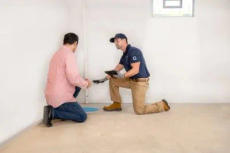
Basement Waterproofing
Curious about wet basement repair? Groundworks provides local residential and commercial basement waterproofing services. We offer free inspections!
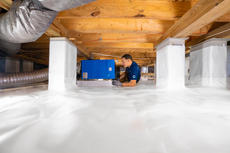
Crawl Space Repair
When it comes to the health of your home’s crawl space, there are many factors and problem signs at work. Knowing what the signs are could help you indicate that it’s time for repairs.
Concrete Lifting
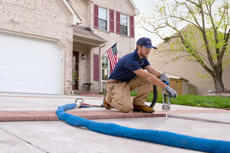
The stability and consistency of the concrete around your home is an important factor to it’s overall aesthetic and wellbeing. Here’s what you should know about the concrete lifting options for your home.
Groundworks Service Areas
Foundation Repair:
Sinking/Settling Foundation
Sinking and settling foundations happen when the soil layers beneath your home can’t support its weight. Many factors cause this damage, such as loose backfill soil during construction, excess moisture, and tree root growth. We restore foundations by installing heavy-duty foundation piers beneath the foundation slab to lift and stabilize it. These piers extend deep into the ground soil to provide strength and support where your home needs it most.
Tilting Chimneys
A leaning or tilting chimney may signal foundation issues. Tilting chimneys often result from soil shifting beneath your home, causing foundation settlement. This damage can lead to chimney structure detachment from your home. Signs include gaps between the chimney and your home’s walls and cracks along the foundation joint. Groundworks provides foundation repair to restore cracked chimneys and enhance your home’s curb appeal.
Bowing Wall Repair
Our proven and warrantied wall anchor system permanently repairs and stabilizes bowing foundation walls. Typically, walls start bowing due to soil pressure on the foundation, causing them to lean, bow, and develop cracks, resulting in structural damage. Our solutions restore permanent strength to basement walls.
Basement Waterproofing
Leaky Basement
If your home’s concrete basement feels damp, humid, or wet, it may indicate water leaks or moisture infiltration. Despite the perception of concrete as impenetrable, it’s highly porous. Therefore, investing in waterproofing systems is crucial for addressing moisture issues.
Basement Waterproofing
In all homes, old and new, foundation flooding can occur, especially during the Southern NJ rainy season. Basement water seepage and hydrostatic pressure from the soil can cause severe damage to your home’s structural stability, resulting in costly repairs. Basement waterproofing ensures permanent protection from the effects of moisture.
AquaStop BasementGutter™ Interior Drainage
Dealing with a flooded basement is a significant concern for homeowners due to the potential for extensive damage and costly repairs. Our patented AquaStop Basement Gutter™ interior drainage system safeguards against elevated humidity, wood rot, and mold. Maintain a dry, clean basement and protect your home’s structural integrity with our tailored basement waterproofing solutions.
Crawl Space Repair
Crawl Space Wood Rot
Your home’s crawl space often goes unnoticed, leaving it vulnerable to elevated humidity and condensation, fostering mold growth and wood rot that may linger undetected. This damage silently compromises your home’s structural integrity. Groundworks offers patented crawl space repair solutions that address underlying issues causing moisture and mold in New Jersey crawl spaces.
Humidity
Flooding from rainstorms or snowmelt can infiltrate your crawl space, leading to excess humidity. This moisture can cause mold and mildew, which may infiltrate your home’s indoor air due to the stack effect. Crawl space encapsulation protects your home from health and structural concerns with dehumidifiers, vapor barriers, and insulation to combat moisture.
Crawl Space Insulation
When your home’s crawl space is exposed to outside elements, it becomes damp and wet. This moisture jeopardizes the area, causing mold, mildew, and other potentially harmful results. Proper insulation is crucial to prevent these issues from affecting the rest of your Southern NJ home. Installing a vapor barrier and crawl space insulation helps deter mold and moisture while maintaining year-round comfort in your home.
Concrete Lifting
Concrete Slab Settlement
Concrete slabs settle over time due to shifting soil, foundation movement, and moisture-related issues. When this occurs, it can lead to pooling water, trip hazards, and reduced property value. By using PolyRenewal™ concrete lifting injections, we lift and restore your home’s concrete surfaces, ensuring your New Jersey home remains safe.
Concrete Pool Deck Repair
If you notice parts of your pool deck dipping, settling, or cracking, it may be time for repair. This damage can occur from improperly compacted backfilled soil, water pressure on the pool lining, or pooling water on the concrete slabs. Our innovative PolyRenewal™ foam injections lift the concrete back to its original position without the need for extensive resurfacing or repouring. Your pool area is ready for use within just 20 minutes.
Interior Concrete Slab Lifting
If you notice uneven floors, cracks, or gaps in your doorways, concrete settlement may be the issue. Our proven PolyRenewal™ foam injections offer a non-invasive solution to restore your floor’s integrity by lifting the concrete slab back to its original position. This minimally invasive repair method is a superior alternative to mudjacking, ensuring the safety of your Southern NJ home.
Common Issues in Your Home
Common Foundation Solutions
Common Solutions in Souther NJ
Crawl Space Mold Problems
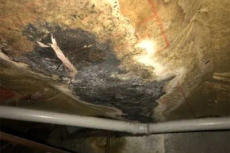
Mold infestation in crawl spaces is common, creating poor air quality and health issues. Learn the causes and preventative solutions.
Basement Sump Pump
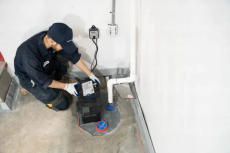
Water leaking into your basement can be a real pain to deal with. What is the most effective solution for keeping your basement clean and dry?
Dehumidifier
Preserve indoor air quality and prevent mold and wood rot with our basement air systems.
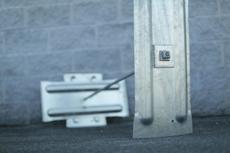
Wall Anchors
Wall anchors can help strengthen your foundation so it doesn’t fail. What can you get out of wall anchors in your home overall?

We get it right the first time around.
We are experts at what we do, and you deserve the best customer service and repair solutions installed the right way. That’s why we go the extra mile.
Frequently Asked Questions
Different types of soil have different load-bearing capacities. When a soil’s load-bearing capacity is exceeded, the soil will compact and settle. It’s also possible for the soil beneath a slab to settle and compact of its own accord. Soil that contains large amounts of clay and/or silt will shrink substantially when it gets dry. As the soil compacts underneath a concrete slab, the unsupported slab will sink as well, usually cracking in one or more spots. The soil that is underneath your driveway, patio, or concrete steps may not necessarily remain there to provide adequate support for the concrete element. As water moves underneath your concrete slabs, it can wash away the soil that’s supporting the weight of the concrete. As this happens, it creates a void, or empty space, underneath. Over time, with nothing to support it, your concrete slab can begin to sink or cave in.
Crawl spaces are often neglected by homeowners. Basements at least often contain washing and drying machines and have sufficient space to be used for storage. Crawl spaces, however, are not places homeowners spend much of their time in. Even if you understand the importance of a sump pump in your crawl space, you might be wondering why you should encapsulate it in the first place. A basement you might understand, but what’s the point of applying white sheets to a crawl space you’ll never spend time in? Encapsulating your crawl space is more than just closing off your crawl space and making it look nice with white sheets. Those white sheets are actually vapor barriers that serve a very important purpose in the fight against humidity in your crawl space. Proper reflective insulation can also be installed along with the vapor barrier, even if your crawl space has already been insulated with another material. High quality reflective insulation like our patented thermal insulation panels makes sure that the warm crawl space air stays in the crawl space. This improves the energy efficiency in your home, reduces energy bills, and keeps the air in your home fresh at all times.
Slab foundations are popular in places where the freeze-thaw effect would not be able to harm foundations. Even though it sometimes snows in Southern NJ, it’s not significant enough to require all homes in the city to have sub-levels. Slab foundations are easy to build and inexpensive, but they do have a lot of drawbacks. For starters, foundation settling in slab foundations is a lot more disruptive because of the proximity to the slab. Slab foundations are also difficult to modify or waterproof once they have been built because of all the ductwork under the slab. Settling in slab foundations is also more likely to happen because the HVAC vents under the slab tend to dry out the soil. By drying out the clay soil, it accelerates soil shrinkage, which in turn, accelerates settling. Traditional waterproofing methods don’t work on slabs because there simply isn’t enough space to install them. There are ways in which you can waterproof foundation slabs, but not all contractors work with those materials. Other than drain tiles, there’s not much you can do except repair the foundation with slab piers once there’s settling.
If your basement is leaking, it can sometimes be pretty easy to spot where it’s coming from. The window, the pipes, and the washing machine are all common sources of basement leaks. If you walk into your basement and see water coming from the floor, however, that might be a bit more confusing. If the pipes and vents are fine, the window is dry, and the machines are working as normal, there should be no water, right? Well, due to Southern NJ’s clay soil, the answer is no. Clay soils are able to retain water really well for long periods of time; it’s actually one of its many defining features. When a lot of water accumulates in the soil surrounding your foundation, it can often pool right alongside your foundation and put a lot of pressure on the wall. This is known as hydrostatic pressure. This refers to the weight of the water that pushes up against the foundation wall until it begins to bow inward. Long-term pressure on the foundation eventually causes cracks along most of the wall, but the most significant damage can be found at the wall-floor joint.

All times are listed in ET
- Mon
- 7:00am – 11:00pm
- Tue
- 7:00am – 11:00pm
- Wed
- 7:00am – 11:00pm
- Thu
- 7:00am – 11:00pm
- Fri
- 7:00am – 11:00pm
- Sat
- 8:00am – 11:00pm
- Sun
- 10:00am – 11:00pm