

 AI-Powered
 Wet Basement Repair Solutions You Need to Know About
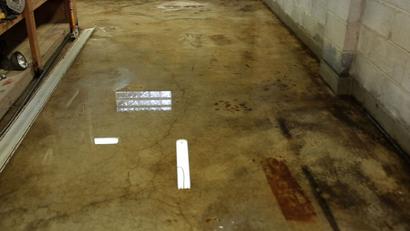
A wet basement is more than a nuisance, it’s a serious risk to your home’s structure, air quality, and value. If you’re searching for wet basement repair, chances are you’re already dealing with water pooling, damp walls, or that musty smell no dehumidifier can fix.
This comprehensive guide walks you through how to diagnose basement water problems, seal and waterproof basement walls and floors, and decide whether DIY or professional solutions are right for you.
What Causes a Wet Basement?
Before you can fix a wet basement, you need to understand what’s causing it. Some common sources of basement water problems include:
- Hydrostatic Pressure: Water in the soil builds up around your foundation and pushes through walls and floors.
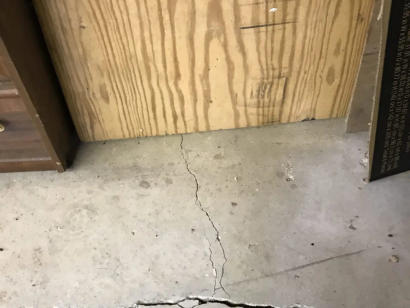
- Foundation Cracks: Even small cracks in concrete can allow water intrusion.
- Poor Drainage: Clogged gutters, short downspouts, or negative grading around your home can channel water toward your foundation.
- Concrete Porosity: Concrete is naturally porous, which means water can seep through even without visible cracks.
- Humidity & Condensation: In some cases, wet basement walls result from moisture in the air condensing on cold surfaces.
Basement Leak Repair Options
The first step in basement leak repair is identifying and fixing active water intrusion.
How to Identify a Leak
- Look for water streaks, damp areas, or mold on walls.
- Check where the wall meets the floor—this is a common leak point.
- If the basement smells musty or the air feels humid, water may be entering through invisible pores.
How to Seal Basement Walls
Sealing basement walls is an effective step towards reducing or stopping vapor intrusion. Professional wall encapsulation with durable vapor barriers is ideal for managing moisture issues stemming from wet basement walls. They can be installed before or after finishing a basement, making them a versatile solution for managing moisture and improving air quality.
DIY products, such as waterproof paints and sealants, are easy to apply but limited in protection. Most aren’t rated for active water pressure. Cinder block basement waterproofing also requires special care—concrete block walls have hollow cores that can hold water.
How to Seal Basement Floors
Concrete floors absorb moisture from the ground below. Over time, this leads to:
- Dampness or humidity buildup
- Mold or mildew on flooring materials
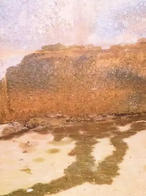
- Warping or discoloration of paint, tile, or carpeting
- Pooling water on basement floor
- Basement water damage to personal property and furniture
If you’re wondering how to waterproof a basement floor, you’re not alone. Many homeowners have tried DIY basement floor sealers, only to find themselves with a wet basement floor again after the next rain. The truth is, the best defense against water on the basement floor is a robust basement waterproofing system.
How to Waterproof Basement Floors
For ongoing or severe moisture problems, a full basement waterproofing system is the most effective fix.
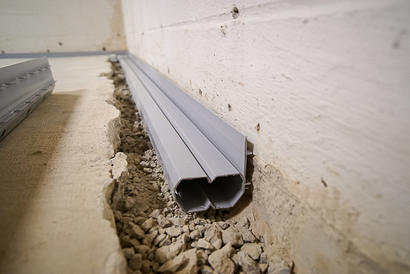
Interior Drainage Channels
Interior drainage channels are installed along the perimeter of the basement floor, just inside the foundation walls. Their primary function is to intercept water that seeps through the walls or rises from beneath the basement slab, channeling it into a sump basin before it can spread across the floor.
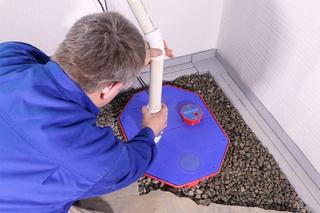
Sump Pumps
A sump pump is the heart of an interior basement waterproofing system. Installed in a basin (or sump pit at the lowest point of the basement, the pump’s job is to actively remove water collected by interior drainage channels and discharge it away from the home’s foundation through an exterior drain pipe.
Related Resource: 5 Ways to Stop Water From Entering Your Basement
Trust Groundworks for Reliable Wet Basement Repair
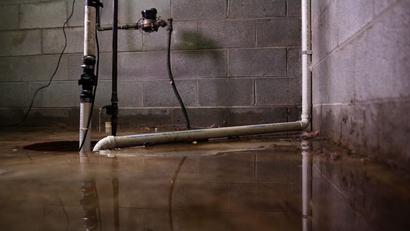
Wet basements won’t fix themselves, and ignoring the problem only makes it worse. If you’ve noticed signs of water in your basement, don’t wait for structural damage or mold to set in. Contact Groundworks to schedule a free inspection today. Our experts will identify the cause and recommend the best long-term waterproofing solutions for your home.