

 AI-Powered
 Crawl Space Foundations Explained
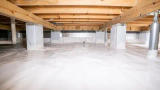
If you’re new to the idea of crawl spaces or just looking to understand their importance, this guide is for you.
Crawl spaces may not be the most visible part of your home, but they play a crucial role in your home’s structure and comfort. Here’s what every homeowner should know about crawl spaces, from common issues to maintenance tips.
What Is a Crawl Space?
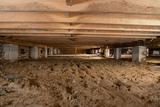
A type of foundation, a crawl space is the hollow space that sits underneath your home. Named because most people need to crouch and crawl to access them, crawl spaces serve as a buffer between your home and the soil underneath. According to a 2022 survey on foundation types in the United States, 14 percent of homes have a crawl space. Less expensive than a basement, but more expensive than a slab foundation, construction of a crawl space can cost anywhere from $7,000 to $21,000, depending on the size of the home.
Unlike basements, crawl spaces do not provide enough room to be renovated into a separate room; however, they offer a small amount of storage space, unlike concrete slab foundations. Crawl spaces can be used to conceal pipes for plumbing, HVAC equipment, and electrical wires. Ultimately, a crawl space foundation must be able to satisfy three specific requirements. It must support the structure above, act as a barrier against soil and water vapor, and keep out any groundwater.
How Is a Crawl Space Built?
It takes skill to construct a crawl space foundation, which is why it’s recommended you leave it up to the professionals. A professional crew can safely find a spot for your crawl space where it’ll be most stable. When it comes to crawl space construction, these major steps must be followed:
- First, construction begins with ensuring that the crawl space will have an opening of no less than 18 inches high and 24 inches wide. This size requirement allows your home to be slightly elevated, lifting it off the ground.
- Next, trenches are dug below the frost line, preventing frost from getting inside the crawl space.
- After the trenches have been dug, the crawl space walls are constructed of concrete, either cast-in-place concrete, insulated concrete, or concrete masonry units.
- Short footings and block walls are made to help support the weight of the home, while pillars of concrete or brick are added for additional support.
For decades, crawl spaces were built much like they were in the 1950s, with unfinished dirt floors, foundation vents, and thin plastic barriers that let in moisture. While that approach reflected the building standards of its time, we now know it creates major problems, including damp air, mold growth, wood rot, insect infestations, and drafty floors. Left unchecked, these outdated crawl space designs compromise comfort, indoor air quality, and even a home’s structural integrity, proving that when it comes to crawl spaces, what you don’t know really can hurt you.
Vented vs. Encapsulated Crawl Spaces
There are two major types of crawl space foundations: vented and encapsulated or conditioned. Below, we go over the properties of both and discuss which one is now considered a better option than the other.
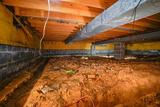
Vented Crawl Space
Once thought to be the best way to construct a crawl space, vented spaces have openings – such as crawl space vents – that easily allow the flow of air in and out of the crawl space. These openings also allow pests to creep in from the outside of the space, where they will then take residence in your crawl space. In addition to pest infestations, open crawl spaces facilitate mold growth and increased humidity.
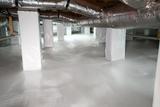
Encapsulated Crawl Space
Encapsulated crawl spaces – also known as conditioned crawl spaces – are sealed off from the elements, keeping your crawl space dry. Conditioned crawl spaces are now viewed as the superior option when it comes to crawl space construction, as they prevent mold growth, wood rot, pest infestations, and more. Using a combination of a vapor barrier, insulation, drainage, a sump pump, and a crawl space dehumidifier, your crawl space and anything stored inside are protected from harmful damage.
Why Should I Invest in a Crawl Space Foundation?
As mentioned above, a crawl space is a great way to lift your foundation off the ground. Investing in a crawl space is less expensive than constructing a basement, while still offering some space for the storage of plumbing, electrical wires, and even out-of-season decorations and lawn ornaments. A crawl space foundation is also better at supporting your crawl space during natural disasters like floods and earthquakes, as the space lifts the home off the wet or unstable ground.
Ideal for certain environments – like dry areas – crawl spaces work to protect your home from suffering from water damage and the ill effects that follow. While it is possible to have a crawl space foundation in humid, rainy environments, your crawl space is vulnerable to excess moisture, mildew, and more. If you happen to live in an environment like this and have a crawl space foundation, crawl space encapsulation is the best solution to keeping your space dry.
How to Prevent Crawl Space Problems and Maintain a Healthy Foundation
Preventing crawl space problems begins with consistent maintenance and taking proactive steps to keep this area dry and protected.
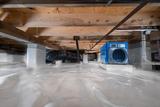
- Seal and Insulate: Ensure your crawl space foundation is properly sealed and insulated to prevent moisture intrusion, which can lead to mold, mildew, and structural damage.
- Regular Inspections: Check for any signs of water or pests regularly and clear out any debris that could harbor moisture.
- Install a Dehumidifier: This helps control humidity levels, reducing the risk of moisture buildup.
- Maintain Gutters and Downspouts: Ensure they divert water away from the foundation to prevent water from seeping into the crawl space.
Following these maintenance tips can help protect your crawl space foundation from common issues and keep your home’s structural integrity intact.
Trust Groundworks with Crawl Space Encapsulation
At Groundworks, our team is equipped with the tools and knowledge needed to effectively seal and protect your crawl space against damage from the elements. Crawl space encapsulation is not something you should attempt on your own. This is due to the unsafe nature of entering an unprotected crawl space and the amount of equipment needed to encapsulate the space. If you have a home with an open or damaged crawl space, contact us for our innovative crawl space repair solutions. We provide FREE inspections at no obligation to you!
Crawl Space Foundation FAQs
In many climates, closing crawl space vents and opting for encapsulation are recommended to prevent outside moisture from entering and causing mold or mildew issues.
Ideally, humidity should be kept below 60% to prevent mold and mildew. Using a dehumidifier can help maintain this level if the crawl space is prone to moisture issues.
A musty smell often indicates mold or mildew growth due to excess moisture in the crawl space. Addressing moisture issues can help eliminate odors.