AI-Powered
 5 Easy DIY Basement Updates Any Homeowner Can Do
Your basement is more than just a space for storing holiday decorations or doing laundry—it’s a treasure trove of possibilities. With a little creativity and some DIY effort, your basement can become one of the most versatile and valuable areas in your home. Whether you dream of a cozy family room, a sleek home office, or a fun game room, the basement is the perfect place to bring those ideas to life.
Plus, with some practical tips to keep the area safe and dry, you can ensure your basement stays comfortable and functional for years to come. Let’s explore how you can unlock your basement’s full potential and turn it into a space that truly enhances your home!
1. Add Basement Storage
Imagine the usefulness of your basement if you had a tidy storage system. You could use it to store a stockpile of toilet paper, arrange your tools next to a workbench, organize outdoor gear into plastic tubs, and so much more.
Start by adding a series of basement shelves to raise items off the floor. You can get freestanding shelving units from any home improvement store. Also, get a collection of plastic tote bins to group similar items. If you’d like some closed storage spaces, add some cabinet units from a furniture store.
Beyond shelving, consider other ways to organize your basement. For example, you can install bike racks and add pegboards to keep tools or sports equipment within reach.
When to Call the Experts
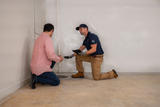
Remember that a basement flood can quickly ruin all of the items you have stored in your basement. If your home has the potential for any water issues, you need an automatic sump pump. This can quickly resolve any issues, and if it has a backup battery, it will work even when the power has been knocked out.
Installing a sump pump is important enough that you don’t want to try to DIY. With the cost of a basement flood averaging around $25,000, any preventive steps you take to avoid a basement flood are certainly worth the investment.
2. Paint the Basement Walls
A fresh coat of paint can make a huge impact on how your basement feels. Instead of a dingy space with the potential for lurking spiders, a newly painted basement can be a place you want to spend time.
A newly painted basement can be so transformative that homeowners frequently paint the basement walls before listing a house for sale. This can make the basement seem like an enormous blank canvas. It’s a high-impact way to make a house seem more attractive, but there’s no reason only new homeowners should enjoy a freshly painted basement space.
Coating the primer and then using durable paint in a light shade will give you the best results. Also, always remember to have good ventilation when painting.
When to Call the Experts
Moisture issues in your basement could mean that newly painted walls will deteriorate within a season or two. Even if you have a finished basement with drywall in front of the concrete block, seeping moisture will cause wet walls and basement wall cracks. Without proper waterproofing, you’ll never get the finished look you want.
Call a basement waterproofing expert to address ongoing water issues. A pro can install a permanent and comprehensive system that resolves any issues. In the short term, this means you can get a clean finish on your walls. But it’s also important for the long term because basement waterproofing will help you protect your home’s foundation.
3. Install a Dehumidifier to Improve Air Quality
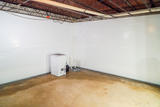
Dehumidifying your basement can have a bigger impact than you realize. Addressing air-quality issues can improve the comfort of the space and can help protect any items you have stored there. With the right setup, the space can be transformed from a damp or smelly cave into an inspiration-worthy living space like these cool basement wine cellars.
Adding a dehumidifier also affects the upper stories of your home. About half of your home’s air rises from the basement, and resolving basement moisture issues can help reduce home allergens, avoid mold, and improve the smell of your house.
Remember that mixing water and electricity can be dangerous. Make sure you have all safety measures in place to prevent electrical fires, water overflows, or blown fuses.
When to Call the Experts
Small dehumidifiers need to be emptied and may not have the capacity to handle your square footage or the amount of moisture in the air.
You may need a professional-grade dehumidification system for a more effective and comprehensive solution. Not only can these systems be designed to address your home’s exact issues, but they can also offer a larger capacity, automatic drainage, and air purification.
4. Update Exterior Drainage (Gutters and Downspouts)
Keeping your basement dry starts with good drainage outside your home. You can handle this as a DIY project by making sure your gutters and downspouts are in good shape. Check for any leaks, clogs, or broken sections, and fix them right away. Make sure your downspouts are moving water at least five feet away from your house. You can also add extensions or splash blocks to help keep water away from your foundation. This simple update can help prevent bigger problems in your basement later on.
When to Call the Experts
If your basement still feels damp or you notice water pooling around your foundation even after fixing your gutters and downspouts, it’s a good idea to call a professional. This might mean there are bigger issues, like improper yard grading, blocked underground drains, or cracks in your foundation. A professional can figure out what’s going wrong and suggest the right repairs to keep your basement dry and your home safe.
5. Flooring Options
Picking the right flooring for your basement is an important DIY project that can improve the space’s appearance and functionality. There are several different types of flooring to consider, such as vinyl, laminate, carpet, and tile.
- Vinyl: Water-resistant and easy to clean, making it perfect for basements.
- Laminate: Looks like wood but is better at handling moisture.
- Carpet: Warm and cozy, but may not be the best if your basement has moisture problems (wet carpet can lead to mold growth).
- Tile: Strong and water-resistant, but can be cold and hard to walk on.
Understanding your options will help you choose the best flooring for your basement.
When to Call the Experts
If you’re not sure which flooring is right for your basement or if your basement has ongoing moisture issues, it’s a good idea to talk to a professional. A pro can help you pick the right flooring and install it correctly, especially if your basement has challenges like uneven floors or high humidity. This will help your flooring last longer and keep your basement comfortable and usable.
Groundworks Can Help You Make It Happen!

With the right updates, your basement can become a fantastic space that adds value and comfort to your home. From keeping it dry and safe to choosing the perfect flooring, every step you take brings you closer to the basement of your dreams. If you’re ready to tackle your basement project but need a little extra help, Groundworks is here for you.
Our team of experts can provide the support and solutions you need to make sure your basement is not only functional but also a space you’ll love. Contact Groundworks today for a free inspection and take the first step toward transforming your basement!