

 AI-Powered
 Crawl Space MythBusters
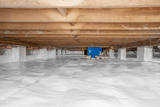
You’ve seen MythBusters—the show where they blew up water heaters, raced duct-taped cars, and settled backyard debates with science. In the spirit of that beloved series, we’re busting a few myths of our own. Only this time, we’re going underground.
Welcome to Crawl Space MythBusters, where we separate fact from fiction about one of the most misunderstood parts of your home. No explosions here—just cold, hard truths (and maybe a little mold).
Let’s get crawling.
Myth #1: Crawl Spaces Should Be Vented
Verdict: BUSTED
Once upon a time, standard building practice dictated that crawl spaces be vented, based on the assumption that outside air would push out moisture. But recent research, including reports from Advanced Energy, has completely turned that idea on its head.
Here’s why sealed (unvented) crawl spaces outperform vented ones:
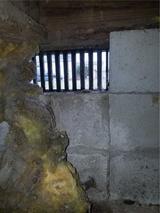
- Better Moisture Control: Field studies show closed crawl spaces maintain humidity below 60%, while vented ones routinely exceed 80%—ideal for mold and rot.
- Energy Savings: Homes with sealed crawl spaces can save up to 15% on annual heating and cooling usage compared to vented systems.
So, no, venting doesn’t dry things out. It invites moisture, mold, and inefficiency. The solution advanced by the EPA? Seal it up tight.
Myth #2: A Sealed Crawl Space Controls Moisture & Increases Energy Efficiency
Verdict: CONFIRMED
This one’s not just true, it’s backed by years of research.
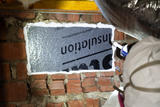
According to field studies by Advanced Energy, homes with sealed crawl spaces consistently show lower humidity levels. By sealing the foundation walls, insulating properly, and controlling air movement, a closed crawl space essentially acts like a thermal buffer between your home and the outside.
Bottom line? Sealing your crawl space doesn’t just keep it dry—it helps keep your whole home healthier, more comfortable, and more affordable to live in.
Myth #3: A Little Moisture in the Crawl Space is Normal and Harmless
Verdict: BUSTED
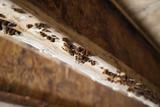
Moisture is never “just moisture.” Even small amounts can trigger big problems. Mold doesn’t need much to get started. An NIH study shows it can begin growing on wood in just a few days when humidity tops 95%, and even 80% humidity can lead to growth over time.
If your crawl space feels damp, mold could already be moving in. Don’t wait for visible signs—where there’s moisture, there’s risk.
Myth #4: Crawl Space Mold Doesn’t Affect Indoor Air Quality
Verdict: BUSTED
The air on your first floor can come from the crawl space. That means musty odors, mold spores, and allergens can sneak into your living space, even if you never set foot down there.
Myth #5: Insulating with Fiberglass is Good Enough
Verdict: BUSTED

DIY repairs like fiberglass underneath the floors absorb moisture like a sponge and eventually sag or fall down. The better choice? According to the Department of Energy, professionally installing a wall-sealed and insulated crawl space is the best route.
A rigid foam board combined with a vapor barrier achieves this suggestion. These systems repel moisture and hold up over time.
Myth #6: Encapsulated Crawl Spaces Increase Home Value
Verdict: CONFIRMED
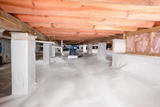
A dry, encapsulated crawl space shows you’ve taken care of your home—and it can boost both resale value and buyer appeal.
According to the Environmental Protection Agency, a study found that for every $1 saved annually on energy bills, a home’s value may increase by about $20.
For example, if crawl space encapsulation helps you save just $250 a year on energy costs, that could translate to a $5,000 increase in your home’s value. Not a bad return for protecting your home.
Final Verdict: Crawl Space Myths? BUSTED.
Most homeowners don’t give their crawl space a second thought—until there’s a problem. And with so many myths and misconceptions floating around, it’s easy to overlook the importance of what’s happening beneath your feet. That’s why separating fact from fiction matters.
Sealing and properly maintaining your crawl space isn’t just a nice-to-have—it’s one of the smartest ways to protect your home’s health, value, and comfort. If you’re ready to stop guessing and start fixing, Groundworks has the experts who aren’t afraid to crawl where you won’t and solve what you can’t.
Schedule a free inspection and get the real story on what’s going on under your home.
Related Resources
Crawl Space FAQs
Encapsulation seals the space from external elements, reducing the need for frequent repairs and keeping the crawl space dry and clean.
Crawl space encapsulation can enhance your home’s health and value by decreasing the risk of mold, mildew, and structural damage. However, the extent of its impact on home value varies depending on the local real estate market and potential buyer preferences.
In many climates, closing crawl space vents and opting for encapsulation are recommended to prevent outside moisture from entering and causing mold or mildew issues.
