AI-Powered
 Drywall Cracks: Should I Be Concerned?
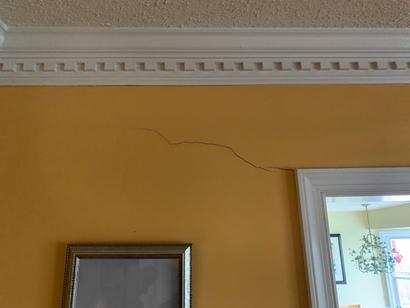
Cracks in your home’s drywall may seem like something a quick coat of spackle and paint can fix. But when drywall cracks begin to appear or worsen over time, they could be a sign of something more serious happening below your feet. Structural shifts, foundation settlement, and moisture problems can all leave their mark in the form of wall cracks.
In this article, we’ll explore when drywall cracks are harmless and when they signal a deeper problem, how to recognize cracks linked to foundation damage, and what you can do to fix the issue properly and permanently.
Are Drywall Cracks Normal?
Yes and no. Small, hairline cracks are relatively common in drywall, especially in new homes or after renovations. These can occur as the building materials naturally settle or expand and contract with temperature and humidity changes. Minor drywall cracks are often seen around windows, doors, or where ceilings meet walls.
However, not all drywall cracks are harmless. Larger cracks, jagged patterns, or cracks that continue to grow over time may indicate something more severe, like structural movement or foundation issues. The key is understanding which cracks are just cosmetic and which ones suggest you should take action.
When Drywall Cracks Signal Foundation Problems
Your home’s foundation supports everything above it. When that foundation shifts, settles, or becomes unstable, it creates stress throughout the structure. One of the first visible signs of this stress is cracking in the drywall. As the framing is pulled out of alignment by a shifting foundation, the drywall covering it begins to tear apart, especially in vulnerable spots like corners, seams, and joints.
Here are some warning signs that your drywall cracks could be caused by foundation issues:
Diagonal Window or Door Cracks
Cracks that originate from the corners of doors and windows and angle upward or downward are classic indicators of foundation settlement. As the foundation sinks unevenly, the frame warps and puts pressure on these openings.
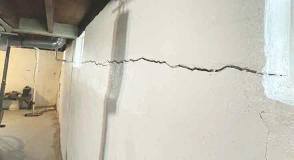
Horizontal Cracks
While vertical cracks may be harmless or due to natural shrinkage, horizontal drywall cracks are more likely to indicate foundation movement, especially if they run across multiple panels or walls.
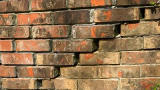
Stair-Step Cracks
On interior walls, stair-step patterns in the drywall are red flags. These mimic the shape of stair-step cracks often seen on exterior brick or block walls, a telltale sign of foundation shifting.
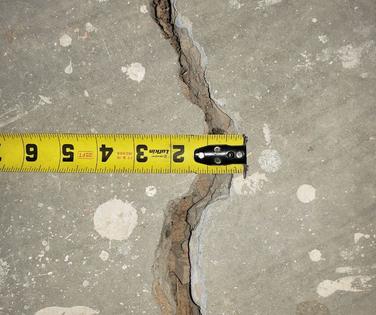
Cracks Wider Than 1/8 Inch
Thin hairline cracks are usually harmless. But if a drywall crack is wider than 1/8 inch or seems to be growing, it’s worth getting checked, as a wide crack can indicate ongoing foundation movement.
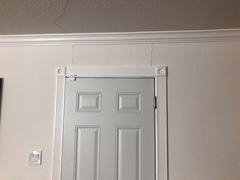
Cracks That Reappear After Repair
If you’ve patched a drywall crack only for it to reappear in the same spot, or worse, grow, this is a strong sign the underlying structure is still moving and unstable.
Other Signs to Watch Alongside Drywall Cracks
Drywall cracks rarely show up alone when the foundation is the cause. Be on the lookout for other symptoms of foundation trouble:
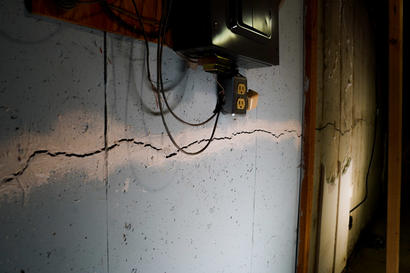
- Doors and windows that stick or don’t latch properly
- Uneven or sloping floors
- Gaps between baseboards and flooring
- Cracks in the floor
- Visible cracks in the foundation wall
- Separation between walls and ceilings
How to Fix Drywall Cracks Caused by Foundation Issues
If foundation movement is to blame, simply repairing the drywall won’t solve the problem. The cracks will keep coming back until the structural cause is addressed. Here’s how the problem is typically resolved:
1. Professional Foundation Inspection

Start by having a licensed foundation repair specialist evaluate your home. At Groundworks, our experienced foundation inspection teams use advanced technology and other tools to assess what’s going on beneath the surface and recommend a lasting solution.
2. Stabilization and Repair
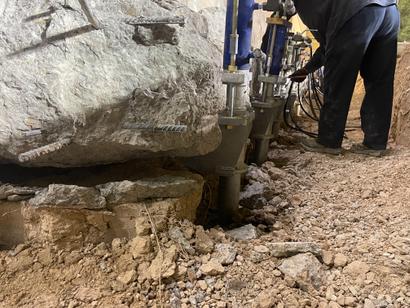
Depending on the findings, a solution like push piers, helical piers, or slab piers may be recommended to lift and stabilize your foundation. These systems transfer your home’s weight to deeper, load-bearing soil that won’t shift with the seasons, keeping your foundation steady and protecting your drywall.
3. Moisture Control
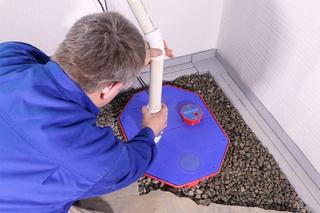
If water is contributing to your foundation problem, basement waterproofing solutions like exterior grading, interior drainage, or sump pumps can help divert moisture away from your foundation to prevent future issues.
4. Drywall Repair
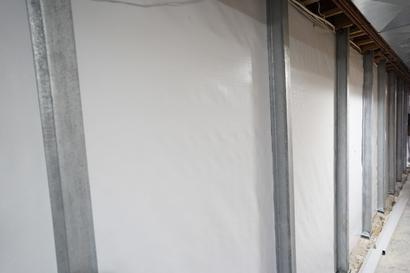
Once your foundation is stabilized, drywall repairs will be more effective and long-lasting. A professional can patch, tape, and repaint the cracks for a seamless finish.
Trust Groundworks With Your Foundation Repair

At Groundworks, we understand how worrying drywall cracks can be, especially when you’re unsure what’s causing them. Whether you need structural piering, waterproofing, or both, Groundworks has the experience and tools to make sure your home stays safe, secure, and crack-free.
Don’t settle for a quick drywall patch when the issue runs deeper. Contact us today for a free inspection.
Related Resources