AI-Powered
 No, Your Foundation Isn’t Waterproof (But It Can Be)
The majority of homes in Colorado are constructed on basement foundations. This gives the homeowner more space than a crawl space foundation, providing room for storage or a new living space. The latter depends on whether your basement has been properly waterproofed and sealed off from the harmful effects of moisture in your basement.
Older homes in Colorado are typically constructed on a crawl space foundation. This type of foundation provides more space than a slab foundation, but less space than a basement. Still, you can utilize your crawl space as a storage space.
When a new home is built, the foundation is usually not waterproof. Typically, homes in Colorado rest on an unfinished basement or unsealed crawl space. Unfortunately, these unfinished foundations easily allow water and pests to get inside them, leading to various problems and potentially destroying anything you have in your basement or crawl space, and even causing harm to the structures in these spaces.
Below, we’ll go over how you can protect your basement or crawl space from the many ill effects of water intrusion.
Waterproofing Your Basement
Waterproofing your basement is the best way to protect it from water and keep the space safe for storage or living. When it comes to basement waterproofing, there are several components involved. Below, are the most important aspects of basement waterproofing:
Vapor Barrier
By aiding in temperature management and preventing excess moisture and humidity from entering your basement, a vapor barrier can help you save money on energy costs.
Also, a vapor barrier might make it harder for pests to enter your basement. In addition to producing unpleasant aromas, pests like rats and roaches also disturb the environment.

Interior Drainage
Water that seeps into your home through sweating walls or leaking joint coves is caught by interior drainage. When there is a strong downpour, the basement gutter collects the water and delivers it to your sump pump, where it is drained far from your home.
This system is located on the internal border of your basement.
Sump Pump
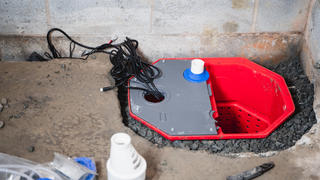
A sump pump is a crucial piece of equipment for getting rid of standing water in a basement. It can be used to address ongoing water building concerns in the basement or as a safeguard against potential future troubles.
A basement sump pump should be an essential component of the waterproofing process if you want your basement properly waterproofed.
Dehumidifier
Devices called dehumidifiers are used in crawl areas and basements to control the humidity levels in indoor spaces. Because basements often lack ventilation, they can also help to filter the air in the area.
Dehumidifiers assist in halting the growth or spread of mold in your basement, which produces a dangerous environment throughout your entire house’s lower floors.
Window Wells & Egress Windows
For safety reasons, egress windows are frequently needed in basements. If egress windows are improperly built or improperly draining, they may occasionally be the cause of leaks in the basement during a severe downpour. Egress wells or window wells are useful in this situation.
Window wells are an area around your egress window that has been cut out and is lined with drainage stones. This helps to control moisture and water movement around the window to prevent leaks or flooding.
Encapsulating Your Crawl Space
Encapsulating your crawl space is the most obvious choice when you want to keep the area dry. Crawl space encapsulation involves some of the same components of basement waterproofing; however, some elements are not the same. Below, we’ll go over what crawl space encapsulation involves:
Vapor Barrier
To effectively prevent moisture from entering the crawl space, you must use a vapor barrier, so be sure to use a high-quality barrier. To achieve a tight seal, Groundworks uses a 20-mil crawl space vapor barrier.
Sealing Crawl Space Vents
You should seal off any obvious moisture entry points, such as vents in the crawl space. Because builders believed they would control moisture, crawl space vents were once very common. However, they actually trap moisture, which promotes the growth of mold.

Insulation
Insulation in the crawl space prevents moisture from entering your home and maintains a comfortable interior temperature for your HVAC system. It increases the comfort and energy efficiency of your home.
Crawl Space Drainage
An organization that specializes in crawl spaces might advise installing a drainage system depending on how much moisture or water is present there. There are many solutions, ranging from drainage mats to sump pumps for crawl spaces.
Crawl Space Dehumidifier
In order to control the humidity levels in your crawl space and the rest of your house, it’s also a good idea to add a dehumidifier. As the name implies, these devices can maintain a constant humidity level without allowing it to rise above the point at which mold and mildew can grow.
Conclusion: Contact Groundworks Today for a Free Estimate!
It’s not enough to waterproof your basement or encapsulate your crawl space in a short-term or low-quality manner. You need a real waterproofing process that will be beneficial for your basement or crawl space in the longest term possible. However, if you’re going to have this type of long-term waterproofing available, you need quality solutions from a Groundworks basement waterproofing and crawl space encapsulation expert. Contact us today!
Waterproof Foundation FAQs
Waterproofing typically is done to the inside of your basement or crawl space, not the outside. Interior waterproofing is longer lasting, and it is much easier to do. If you have a basement foundation, then it is virtually impossible to waterproof it from the outside once it has already been built.
While waterproofing your foundation is not required, it is highly recommended. Waterproofing your basement or encapsulating your crawl space can protect your space from excessive humidity, mold, and pest infestations.
Crawl space encapsulation is an optional house improvement; it is not necessary. Yet, it’s a crucial fix for clearing the crawl space of unwelcome moisture, pests, mold, and poor air. Also, it improves the health, security, and comfort of the home.
Services Areas
Groundworks serves local communities in 33 states, including Colorado where bentonite clay tends to cause a lot of foundation damage. In Colorado, look for Groundworks in the following areas:
- Denver
- Boulder
- Fort Collins
- Littleton
- Colorado Springs
Don’t See Your Area? Check Here.