

 AI-Powered
 Should You Paint Basement Walls? The Truth About Basement Waterproofing Paint
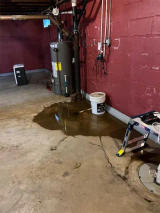
The sky is the limit when transforming your basement into a usable space.
It’s exciting to add a splash of color to an otherwise drab area with basement paint, especially when finishing your basement. But it’s important to do it the right way.
In other articles, we addressed topics like what to do before finishing your basement and the effects of basement moisture. In this article, we’re going to bridge the two and answer the question of whether it’s a good idea to add applying basement concrete paint to your to-do list.
Can I Paint My Basement Walls?
How you handle your basement is entirely up to you. However, we urge you to use caution when considering applying basement sealer paint to walls and floors.
In short, painting your basement walls is a bad idea. Here’s why:
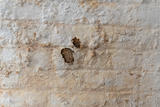
Basement Paint Is Not Waterproof
Many types of paint for basement walls or sealants on the market claim to be “waterproof” products that halt water and moisture intrusion. This is true but to a point. They only work for so long, especially if your basement has underlying moisture issues.
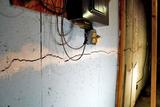
Paint for Basement Walls is No Match For Hydrostatic Pressure
Hydrostatic pressure forms when the soil surrounding your basement becomes saturated and expands, pressing on basement walls. The walls crack and bow inward when this force becomes too great, leading to moisture intrusion. This moisture and cracking cause basement sealer paint to flake and peel.
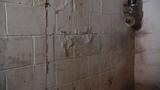
Basement Wall Paint and Dampness Don’t Mix
Concrete basement walls are porous, meaning water vapor can easily pass through them. Say you want to apply color or basement waterproof paint to your wall, which is one of the most common DIY mistakes we encounter in homes. Any presence of water causes the basement sealer paint to fail to adhere correctly to the surface, and the paint easily bubbles and flakes off.
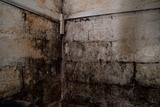
Waterproof Basement Paint Feeds Mold Growth
Applying a material like basement wall paint to walls with underlying moisture issues traps the moisture and leads to mold growth. Mold is definitely something you don’t want to see, and you might think concealing moldy basement walls with a more appealing color is the way to go. However, this only fuels the problem, causing the mold to worsen and spread, leading to ugly walls, poor air quality, and unhealthy living conditions.
As you can see, basement paint, whether for aesthetics or waterproofing, can lead to a host of problems.
You can paint drywall when finishing your basement, but it’s best to leave your bare basement walls alone. Better yet, we recommend seeking professional assistance before enhancing your basement walls.
What Steps Should I Take To Treat My Basement Walls?
Before purchasing and applying basement concrete paint, follow these steps to prevent damage and expensive repairs:
Was this page helpful?
Check out our Ultimate Guide to Basement Waterproofing for more informative articles!
Trust Groundworks to Enhance Your Basement Walls
Basement paint is a great way to personalize and improve your basement’s aesthetics, but it can do more harm than good. Rather than trapping moisture, risking mold growth, and enduring the constant need for basement wall paint reapplication, opt for a healthier and longer-lasting solution.
You can benefit from moisture management and basement enhancement with Groundworks’ basement waterproofing solutions. Learn more by contacting our friendly and experienced team to schedule a free basement inspection. Simply click the button below to get started!
Basement Sealer Paint FAQs
Many homeowners believe dampness on basement walls is normal simply because it’s a basement. While this is common because many basements are below grade, it does not constitute healthy or normal living conditions.
The frequency of reapplying foundation sealant depends on several factors, including the type of sealant used, the climate, and the exposure of your foundation to harsh elements. Generally, high-quality sealants can last between 5 and 10 years. However, it’s essential to inspect your foundation regularly to identify any signs of wear or damage that may indicate the need for reapplication. If you notice issues or are uncertain about the condition of your sealant, consult a professional to determine the best course of action.
The primary risks associated with applying foundation sealant stem from issues such as improper application, the use of low-quality materials, and applying sealant without addressing the root causes of cracks. Inadequate sealing can lead to moisture infiltration, resulting in water damage, mold growth, and other related issues. Additionally, low-quality sealants may not provide the necessary protection and durability, resulting in the need for frequent reapplication.
To mitigate these risks, it’s essential to follow best practices when sealing your foundation and invest in high-quality sealants from reputable manufacturers. Always consult a professional basement and foundation waterproofing specialist before using concrete foundation sealer.
Related Resources



Groundworks
Note: Basement finishing is not available as a standalone service from Groundworks.