AI-Powered
 Top 10 Snowiest Cities in the US: How Heavy Snowfall Can Impact Your Home
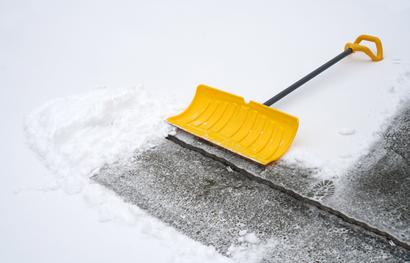
When winter hits, some U.S. cities are transformed into snow-covered wonderlands.
While it may look picturesque, the snow eventually melts, creating real challenges for homeowners. If you live in one of these snowiest cities in the US or deal with heavy snow regularly, melting snow can lead to water problems in your basement or crawl space if you’re not prepared.
Let’s examine the top 10 snowiest cities.
10 Snowiest Cities in the US
1. Syracuse, New York
- Average Snowfall: 127.8 inches per year
- Record Snowfall: 192.1 inches (1992-93 season)
Syracuse consistently tops the list thanks to lake-effect snow from Lake Ontario. The city is well-known for its long, snowy winters that can bring nearly 200 inches of snow during record years.
2. Erie, Pennsylvania
- Average Snowfall: 101.2 inches per year
- Record Snowfall: 166.3 inches (2017-18 season)
Located near Lake Erie, Erie gets hammered with lake-effect snow every winter. The city set a stunning record in 2017-18 when over 166 inches fell—far surpassing its average.
3. Rochester, New York
- Average Snowfall: 99.5 inches per year
- Record Snowfall: 161.7 inches (1959-60 season)
Like Syracuse, Rochester sits downwind of Lake Ontario, making it a prime target for lake-effect snowstorms. Residents are no strangers to shoveling their way out of deep snow.
4. Buffalo, New York
- Average Snowfall: 95.4 inches per year
- Record Snowfall: 199.4 inches (1976-77 season)
Buffalo’s reputation for extreme winter weather is well-deserved. Heavy snowfalls, including the infamous Blizzard of 1977, have cemented Buffalo’s place among the snowiest cities.
5. Flagstaff, Arizona
- Average Snowfall: 90.1 inches per year
- Record Snowfall: 210 inches (1972-73 season)
Flagstaff may be surprising to some, but its high elevation makes it one of the snowiest cities in the country. It even holds records for years with over 200 inches of snow.
6. Duluth, Minnesota
- Average Snowfall: 86.1 inches per year
- Record Snowfall: 135.4 inches (1996-97 season)
Situated on the shores of Lake Superior, Duluth faces brutal winters with heavy snowfall and freezing temperatures that last for months.
7. Marquette, Michigan
- Average Snowfall: 117 inches per year
- Record Snowfall: 232 inches (2001-02 season)
Marquette, located in Michigan’s Upper Peninsula, is no stranger to lake-effect snow. Its record-breaking totals make it one of the snowiest cities in the Midwest.
8. South Bend, Indiana
- Average Snowfall: 66.6 inches per year
- Record Snowfall: 136.3 inches (1977-78 season)
South Bend often experiences lake-effect snow from Lake Michigan, bringing heavy accumulations that can make winters particularly challenging.
9. Anchorage, Alaska
- Average Snowfall: 74.5 inches per year
- Record Snowfall: 134.5 inches (2011-12 season)
Anchorage’s long, cold winters come with steady snow accumulation. The city’s record-breaking 2011-12 winter saw over 134 inches of snow.
10. Boulder, Colorado
- Average Snowfall: 88.3 inches per year
- Record Snowfall: 159 inches (1908-09 season) Boulder’s high elevation and location near the Rocky Mountains make it prone to heavy snow, especially during powerful winter storms.
Why Snowmelt Can Cause Big Problems for Homeowners
While the snowiest cities in the U.S. are well-equipped to handle heavy snowfall, many homeowners overlook what happens when all that snow begins to melt.
The thawing process can unleash a new set of challenges, often resulting in water damage to basements, crawl spaces, and foundations.
Here’s a closer look at the most common issues snowmelt can cause and why they’re so problematic:
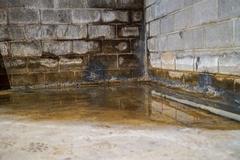
1. Basement Flooding
Melting snow doesn’t disappear—it has to go somewhere. Snowmelt collects around your foundation. As water builds up, hydrostatic pressure pushes it into your basement.
Once water enters your basement, it leads to:
- Water Damage: Destroyed flooring, walls, and stored belongings.
- Mold Growth: Damp environments are ideal for mold, which can cause health issues and unpleasant odors.
- Structural Issues: Repeated water intrusion can weaken your foundation over time, leading to bowing walls and costly repairs.
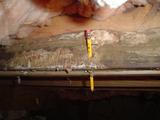
2. Crawl Space Issues
Unsealed crawl spaces are particularly vulnerable to snowmelt. When moisture becomes trapped in these areas, it creates ideal conditions for:
- Mold: High humidity promotes mold growth, which can spread to other parts of your home.
- Wood Rot: Exposure to moisture weakens wooden beams and joists, compromising the structure of your home.
- Pests: Damp crawl spaces attract pests like termites, rodents, and insects, further increasing the risk of damage.
- Increased Energy Costs: Damp, cold air from the crawl space can leak into your home, forcing your HVAC system to work harder to maintain consistent temperatures.
3. Foundation Damage
Your home’s foundation is designed to keep water out, but snowmelt can expose its weaknesses. As the ground around your foundation becomes saturated with water, the following issues can arise:
- Soil Shifting: Expanding and contracting soil types pressure your foundation, leading to cracks and movement.
- Frost Heave: In freeze-thaw cycles, moisture in the ground freezes, expands, and pushes upward on your foundation, weakening its integrity.
4. Ice Dams and Gutter Overflow
Ice dams form when snow on your roof melts and refreezes near the edges, blocking gutters and downspouts. As more snow melts, the trapped water has nowhere to go and can seep into your attic, walls, or foundation. This can lead to:
- Roof Leaks: Water infiltration damages ceilings, insulation, and drywall.
- Gutter Damage: Heavy ice dams can tear gutters away from your roof, creating costly repairs.
- Foundation Issues: Overflowing water from clogged gutters can pool around your foundation, increasing the risk of flooding.
Enjoy the Snow, Not the Stress: Protect Your Home With Groundworks
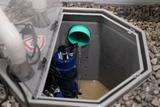
While heavy snowfall can be beautiful, snowmelt can cause serious problems if you’re not prepared.
Homeowners in the snowiest cities in the US can enjoy the snow by waterproofing their homes, installing proper drainage systems, adding a reliable sump pump, and applying a vapor barrier in their crawl spaces or basements.
Wherever you live, Groundworks is here to help. With offices in 36 states, Washington, D.C., and Canada, our experts provide trusted solutions to protect your home from snowmelt and water damage.
Addressing these risks can help avoid costly repairs, strengthen your foundation, and provide peace of mind when the thaw sets in. Book a free inspection today.
Snowiest Cities in the US FAQs
Snowfall is influenced by factors like proximity to large bodies of water, elevation, and winter weather patterns. Cities near the Great Lakes often experience lake-effect snow, while mountain cities get snow from high elevations.
Lake-effect snow occurs when cold air moves over warm lake waters, picking up moisture that falls as heavy snow. This greatly impacts cities like Buffalo, Erie, and Marquette
Snowfall is heaviest in late fall through early spring, but peak accumulation often occurs between December and February.