AI-Powered
 What is Lake-Effect Snow?
If you live near the Great Lakes, you’ve probably heard of lake-effect snow, especially during the winter.
But what is lake effect snow, and why does it bring heavy and sudden snow?
Let’s break it down in simple terms.
Understanding Lake-Effect Snow
Lake-effect snow happens when cold air moves over the relatively warmer waters of large lakes, like the Great Lakes. The temperature difference causes water from the lake to evaporate into the air.
As this moisture rises and cools over land, it condenses and falls as snow—often in intense, narrow bands.
Key factors that contribute to lake-effect snow include:
- Wind Direction: Winds must blow across a long stretch of lake water, gathering moisture before hitting land.
- Temperature Difference: The greater the contrast between the lake’s water temperature and the cold air above, the more intense the snowfall.
- Lake Geography: The size and orientation of the lake determine how much snow can form and where it will fall.
Cities like Buffalo, Syracuse, and Marquette are well-known for their heavy snowfall caused by lake-effect snow due to their proximity to the Great Lakes.
Lake Effect Snow Warnings and Forecasts
The unpredictable nature of lake-effect snow makes it challenging for meteorologists to accurately track and predict. These snow events occur in narrow, localized bands that can deliver heavy snowfall to one area while leaving a nearby region virtually untouched.
As a result, a lake effect snow forecast often emphasizes localized predictions to provide more precise guidance to residents.
Meteorologists consider several factors when creating these forecasts, such as wind direction, lake temperatures, and air temperatures. Even with modern technology, the intensity and exact location of lake-effect snow can change rapidly, making real-time updates essential for accurate predictions.
When conditions are expected to worsen, meteorologists issue a lake effect snow warning. These warnings are critical for alerting residents to:
- Sudden Heavy Snowfall: Rapid accumulation of snow, often exceeding several inches per hour.
- Reduced Visibility: Whiteout conditions that make travel extremely dangerous.
- Hazardous Roads: Slick, icy roads caused by heavy snow accumulation and freezing temperatures.
A lake effect snow warning signals preparation for severe conditions. Residents are advised to limit travel, stock up on supplies, and ensure their homes are ready to withstand the storm. By staying informed and heeding warnings, homeowners near the Great Lakes can protect themselves and their property during these intense winter events.
How Lake-Effect Snow Impacts Your Home
While lake-effect snow creates beautiful winter scenes, it can also pose serious risks to your home. The sheer volume of snow and the rapid thawing that follows can cause:
- Foundation Problems: As snow melts, water can seep into your foundation, causing cracks.
- Basement Flooding: Heavy snowmelt can overwhelm existing drainage systems, allowing water to leak into basements.
- Crawl Space Issues: Melting snow can lead to standing water in crawl spaces, creating a perfect environment for mold and wood rot.
How Groundworks Can Help
At Groundworks, we understand how lake-effect snow can affect your home’s foundation, basement, and crawl space.
With over 36 offices across the U.S. and Canada, we’ve seen it all and have the expertise to protect your home from winter’s challenges.
Our solutions include:
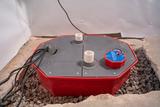
- Interior Drainage Systems: These systems channel water away from your basement, preventing flooding and leaks.
- Sump Pumps: A reliable sump pump removes water that collects in your basement or crawl space, keeping it dry.
- Wall Vapor Barriers: These barriers seal basement and crawl space walls, blocking moisture and protecting your home’s structural integrity.
Don’t let lake-effect snow compromise your home’s safety. Groundworks is here to help with proven solutions tailored to your needs. Contact us today for a free inspection, and let us protect your home, no matter what winter brings.
Lake-effect Snow FAQs
Yes, as long as the lakes remain unfrozen and there is a significant temperature difference between the lake water and the cold air above.
Heavy snowfall and reduced visibility can cause flight delays and cancellations, especially in cities near the Great Lakes.
Regions directly downwind of the Great Lakes, such as Buffalo, NY, and Marquette, MI, are among the most affected.