AI-Powered
 Why Are My Basement Walls Leaking & How Do I Fix Them?
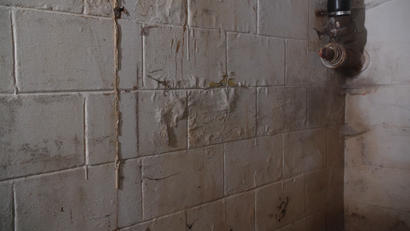
Basements offer endless possibilities—from storage space to additional living areas and beyond. No matter how you use your basement, it must be dry to avoid water and structural damage.
Wet basement walls are a major problem that can spiral out of control and lead to additional issues. If your home experiences basement leaking, you’re not alone, and you don’t have to face it on your own.
This article explains the causes and signs of basement wall leaks, repair pitfalls to avoid, and waterproofing basement walls from inside with lasting basement waterproofing solutions.
Why Is My Basement Wall Leaking?
Understanding why a leaky basement wall happens is crucial for implementing reliable and lasting basement wall waterproofing. Basement walls develop leaks for many reasons, including:
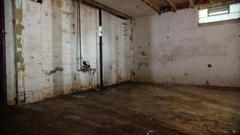
Failing Damp Proofing & Footing Drains
During construction, damp proofing or a tar coating is applied to exterior walls, and footing drains are installed to prevent basement water and vapor infiltration. However, damp proofing slows water vapor flow but doesn’t fully prevent leaks or flooding. Over time, damp proofing degradation and footing drain clogs may lead to interior leaks.
The Clay Bowl Effect & Hydrostatic Pressure
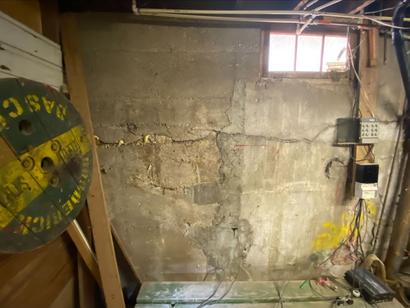
The clay bowl effect and hydrostatic pressure adversely affect basement walls. Following the construction of your home’s foundation and walls, backfilled soil forms a “clay bowl” and an artificial water table. This soil, particularly if it contains clay, retains water and expands during heavy rain or snowmelt. The expansive soil exerts pressure on the walls, resulting in wall cracks and basement leaking.
Porous Concrete Walls
Concrete is widely used because of its strength and durability. However, it is also a porous material that allows water absorption through a network of capillary holes or tiny pores. Accumulated water behind the walls fills these pores, causing basement wall leaking.
What Are the Signs of a Leaky Basement Wall?
While water intrusion is often obvious, it can also be sneaky and difficult to detect, especially if your basement is finished or the walls are hidden behind various items.
Use this checklist to determine if basement wall leaking is a problem in your home:
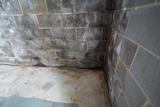
Still unsure? If you notice more than one of these symptoms or other problems, it’s time for a professional inspection to uncover the causes and determine the best way to seal basement walls in your home.
How to Waterproof Basement Walls
If you want to fix basement leaks for good, it takes more than plugging a leak in basement wall areas. That won’t last and can create more problems.
Lasting foundation wall waterproofing requires a comprehensive approach to keep your home dry and leak-free. Groundworks professionally installs the following solutions as part of a holistic approach:

1. Wall Vapor Barrier
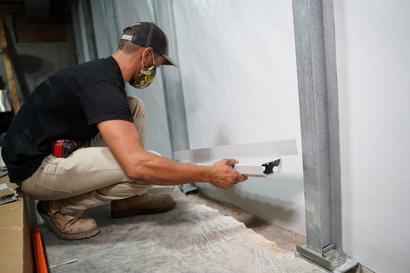
We install a thick and durable wall vapor barrier to address wet basement walls specifically. Affixed to the basement walls, this targeted basement wall sealer is a 12-mil liner that resists water and mold and aids in the basement waterproofing process. If there is a leak in basement wall areas, water flows behind the liner and down to an interior drainage system. This wall waterproofing method is also compatible with our other basement waterproofing and wall repair solutions.
2. Interior Drainage System
An interior drainage system effectively manages basement water seepage. This system consists of drains installed along the interior perimeter of the basement. Placed in the subfloor and atop the footing, the drains collect leaking water and direct it to a sump pump for proper removal.
3. Sump Pumps
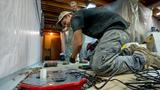
Sump pumps are crucial in basement waterproofing because they actively remove leaking water, preventing flooding and other water damage. When a reliable sump pump and backup battery are integrated into a comprehensive waterproofing system, it maintains a dry and safe basement environment.
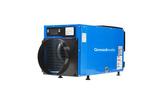
4. Basement Dehumidifiers
Basement dehumidifiers further aid in moisture management by controlling basement humidity levels and cleaning the air. This reduces the risk of mold growth, musty odors, and structural damage. Basement dehumidifiers extract excess humidity from the air and contribute to a healthier, more comfortable living space.
Basement Wall Waterproofing Mistakes to Avoid
As you can see, waterproofing basement walls from inside your home requires a skillful approach. We recommend professionally installed wall waterproofing methods you can trust instead of investing in temporary DIY solutions. We understand it can be tempting to opt for a quick fix, but let us explain why that’s not a good idea. Here, we highlight two techniques to avoid when waterproofing basement walls:
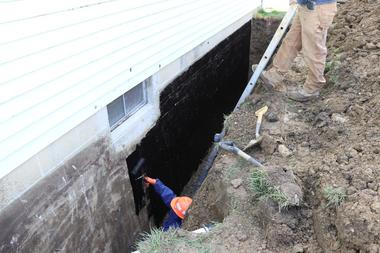
Excavation and Damp Proofing Reapplication
Excavating down to the footing for damp proofing reapplication or installing new drainage pipes is costly, time-consuming, and requires extensive restoration afterward. The damp proofing coating is prone to degradation over time, and the risk of clogged drainage pipes still exists, making this method one to avoid.
Applying Interior Paints or Sealants
DIY solutions tailored for issues like a leaky basement wall are insufficient, temporary fixes. Many basement concrete wall sealer materials, paints, and other advertised waterproofing products for sealing foundation walls are rarely effective. The drawbacks associated with these big-box retail products include:
- Underlying Issues: Sealants temporarily stop cracks and leaks, but they won’t address the underlying causes of basement leaks.
- Durability: Sealants are brittle and susceptible to compromise from efflorescence or hydrostatic pressure.
- Temporary Fix: Sealants do not offer lasting basement leak repair, as they require frequent reapplication.
How Can I Prevent Basement Leaking?
In addition to professional foundation wall waterproofing and basement waterproofing solutions, you can take several preventative measures to help prevent basement wall leaks, including:
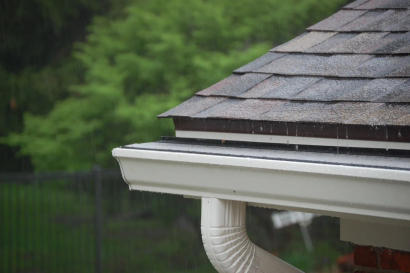
- Ensure Proper Yard Grading: The ground should slope away from the foundation to divert rainwater.
- Gutter Maintenance: Clean gutters and downspouts to prevent clogs and overflow.
- Downspout Extensions: These disperse water further away from the foundation.
- Landscaping: Avoid planting trees and bushes close to the foundation, as their roots can cause damage.
- Crack Repair: Repair foundation cracks and gaps to prevent water seepage.
- Window Well Drainage: Ensure window wells are clear of debris and drain correctly.
Contact Groundworks to Waterproof Basement Walls Today!

Enhance your home’s safety, value, and appearance by addressing wet walls with effective basement wall waterproofing solutions. Ordinary store-bought paints and basement wall sealer cannot provide a lasting fix.
Trust your local Groundworks company for a reliable, lasting basement repair solution. Our experts diagnose basement issues and recommend the best basement leak solutions.
Schedule your free inspection today!
Wet Basement Walls FAQs
If your basement walls are wet, it can be a sign that there are deeper problems at play in your home. Cracks in your basement walls and foundation are the most likely source of wetness in your walls and floor, but these can be caused by a variety of issues. Hydrostatic pressure, faults in poured concrete walls, settlement, and abnormally heavy rainfall can all cause this kind of damage.
If leaks cause your basement walls to be wet, they can cause a huge number of problems. Unattended dampness in your basement can cause increased humidity, mold formation, insect infestations, increased energy bills, and structural damage.
Basement leak repairs require attention inside or outside the home, but mostly on the inside. Exterior forces push in against your home, and water gets through the cracks these forces create. Waterproofing and reinforcing your basement walls from the inside is the primary action you need to take to prevent basement moisture issues. Exterior waterproofing methods don’t offer a permanent solution to the problem, but some exterior excavation may be necessary to install permanent interior solutions. It is best to contact a basement professional for waterproofing repairs.
Related Resources