AI-Powered
 Should You Ventilate Your Basement?
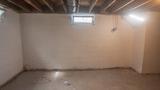
One of the vital but most overlooked aspects of the basement is ventilation. Homeowners think open basement windows will help them create dry, comfortable, and fresh interiors.
But open windows and other forms of basement ventilation can actually do more harm than good. This article explains the cons of basement ventilation and how professional basement waterproofing is a better way to control the air below your home.
Are There Risks to Ventilating a Basement?
Ventilating your basement can actually have the opposite intended effect on the space. Usually, ventilating a basement lets moisture, humidity, and allergens enter the basement itself. Let’s look at the risks of basement ventilation in more detail.
High Humidity
The first problem with basement ventilation is that it allows humid air to flow in from the outside. In hot summer months, the risk of high humidity in your basement only rises. If the relative humidity inside your basement becomes greater than 50%, mold will start growing, and condensation will form on any and all surfaces inside the basement.
Structural Damage
Left unchecked, excess moisture due to basement ventilation or air leaks can also instigate wood rot. Wooden fixtures, ceilings, and doors will start decaying, and this can lead to costly and disruptive repairs.
Musty Smells
Outside air won’t just bring with it moisture, but allergens, dander, dust mites, and toxic particles. These will permeate the basement air and waft into your home.
The air, which was once fresh, might feel stale and unpleasant. Before you know it, everyone is complaining about how awful the basement smells. These musty odors will only linger until you properly waterproof the basement.

Alternatives to Basement Ventilation
Basement ventilation isn’t recommended, but are there other ways to keep the air in your basement dry and healthy? The answer is yes, so let’s go over what you can do.
Seal Drafty Basement Windows
If outside air is getting into the basement via tiny spaces or openings around your basement windows, you’ll want to make sure they’re sealed. Proper sealing prevents air leaks that can lead to high humidity and mold growth.
Use silicone latex-based caulk as it’s formulated to withstand inclement weather. A variety of colors is available to match your window casing.
Once the windows are sealed up, you shouldn’t have many issues with temperature fluctuation and humidity indoors.
Install an Energy-Efficient Dehumidifier
Get an energy-efficient basement dehumidifier and install it in your basement. This appliance will help clear the air of moisture.
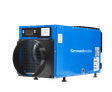
Humidity levels will drop, and your interior will feel less clammy. The basement dehumidifier installed by Groundworks companies across the country does more than suck moisture from the air.
It cleans and filters the air in the basement while preventing foul smells. The dehumidifier also comes with a humidity sensor that monitors the moisture level in the air. Once it’s installed, you just have to sit back and let it do its job.
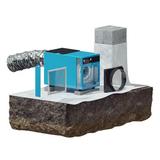
Keep in mind that the Groundworks dehumidifier is self-draining, so you don’t have to worry about emptying any buckets or reservoirs if you decide to work with us. Ours also connects to other basement waterproofing solutions, such as an interior drainage system and sump pump, to make draining the water even more convenient.
Transform Your Basement with Help from Groundworks
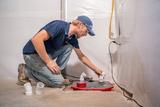
Ventilation will turn your basement into a hotbed for moisture, mold, and foul smells—things that can make your basement feel like a dungeon. You can avoid these and other unpleasant situations by sealing the basement, drying its air, and conditioning it.
Be sure to contact Groundworks if you’re unsure of how best to seal up the basement. For years, we have been helping homeowners like you create dry, comfortable, and mold-free basements. We can also help you prevent moisture buildup and damage. Schedule a free basement inspection and repair quote to get started.

Basement Ventilation FAQs
It’s best to keep relative humidity below 60%, with ideal ranges falling between 30-50%.
Use a hygrometer, a device that measures humidity, to determine the moisture level in your basement.
While a dehumidifier can help reduce moisture after flooding, it’s not a solution for flooding issues. A proper waterproofing system is necessary for severe water problems.
Related Resources