AI-Powered
 High Water Table Levels in the Midwest: Foundation Problems You Should Know

Living in the Midwest is pretty amazing. We get to enjoy the beauty of all four seasons, expansive open spaces, and the comfort of a close-knit community.
But let’s be real—as a homeowner here, you know that dealing with water in your basement or crawl space is almost a rite of passage. One of the main reasons? Our high water table.
What Is a Water Table, and Why Does It Matter in the Midwest?
A water table is essentially the level at which the ground is saturated with water. Picture it like an underground “line” where dry soil above meets water-filled soil below. The water table can be:
- High: When groundwater is close to the surface, making it easier for water to seep into basements and crawl spaces.
- Low: When groundwater is far below the surface, which is generally less of a concern for homeowners.
In the Midwest, thanks to our unique geography and weather, we often deal with high water tables. Seasonal rains, melting snow, and clay-heavy soils contribute to water building up near the surface. While great for agriculture, it’s not so great when you find water coming in through foundation walls.
How a High Water Table Causes Basement or Crawl Space Flooding
With a high water table, your home’s foundation is constantly exposed to water pressure from the saturated soil around it. Over time, this pressure can lead to cracks and weak spots, resulting in water seeping into your basement or crawl space.
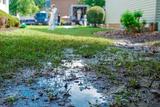
Here’s how it happens:
- Hydrostatic Pressure: This is the force of water pushing against your foundation walls. Over time, it can create cracks and allow water to sneak in.
- Poor Drainage: If your yard doesn’t drain properly, standing water increases pressure on your foundation.
- Heavy Rains and Melting Snow: Common in the Midwest, these events can overwhelm already saturated soil, leading to flooding.
Signs of Water Seepage in Your Home
If you’re wondering whether a foundation leak in the Midwest might be causing problems in your home, here are some common signs:
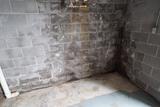
- Damp Walls or Floors: Moisture stains or a “wet” feeling in your basement or crawl space.
- Musty Odors: A telltale sign of mold or mildew caused by excessive moisture.
- Efflorescence: A chalky white residue left by water evaporating through foundation walls.
- Visible Cracks: Especially horizontal ones in your foundation walls, which could indicate hydrostatic pressure damage.
- Puddles or Standing Water: Obvious signs that water is seeping into your home.
How to Fix Water Seepage Caused by a High Water Table
The good news? There are effective ways to combat water seepage and protect your home from further damage:
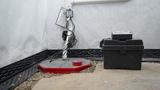
- Interior Drains: Installing perimeter drains inside your home collects groundwater and redirects it away from your foundation.
- Sump Pumps: A must-have for Midwest homeowners. Sump pumps remove water that is collected and pump it far from your home, keeping it dry even during heavy rains.
- Vapor Barriers: Installing vapor barriers on your foundation walls prevents water coming in through foundation cracks and stops moisture from penetrating your home through porous concrete.
These solutions work best when tailored to your specific foundation and soil conditions, which is why professional expertise is key.
Groundworks: Your Midwest Foundation Repair Experts
At Groundworks, we’ve been solving problems caused by high water table levels in the Midwest for decades. We’ve seen it all—and fixed it all. Our team understands the unique challenges that come with Midwest living and knows how to protect your home from water damage.
But don’t just take our word for it. Thousands of Midwest homeowners have shared their positive experiences with Groundworks in our glowing reviews. Whether it’s stopping water seeping into a basement or fixing a major foundation leak in the Midwest, our experts have the tools and knowledge to get the job done right.Ready to protect your home from water damage? Schedule your free inspection today, and let us help you enjoy Midwest living without the worry of a wet basement.
High Water Table Water Seepage FAQs
Both can experience high water tables, but rural areas with natural clay soils and poor drainage may face more consistent challenges.
Yes, proper grading, installing proper drainage, and strategically placed plants can improve drainage and direct water away from your foundation.
High water tables are most problematic during wet seasons, like spring and fall, but can cause issues year-round in areas with poor drainage.