AI-Powered
 The Hidden Risks of Acidic Soil for Southern Homes

While the South’s soil is celebrated for nurturing lush landscapes, gardens, and centipede grass, its pH level affects more than just plant growth. Soil acidity and moisture can contribute to corrosion and settlement in your home’s foundation.
This page explores the facts about acidic soil and the steps homeowners can take to prevent and repair foundation damage.
What is Acidic Soil?
Acidic soil has a soil pH level below 7.0. This level means it has a higher concentration of hydrogen ions, making it more acidic. All soil types, including clay, sandy, loamy, peaty, and silty, can become acidic. The acidity level depends on the soil’s composition, location, and environmental conditions.
Think of soil acidity as the balance in a recipe. The entire dish is ruined if there is too much of one ingredient. Similarly, your soil needs the right pH balance to ensure stability and support your home’s foundation.
What Causes Acidic Soil?
Several factors contribute to soil acidity, including:
- Heavy Rainfall: Rain leaches nutrients like calcium, magnesium, and potassium that help maintain soil pH balance, causing the soil to become more acidic over time.
- Acidic Rock: Soil derived from certain rock types, like granite rock, tends to be naturally more acidic.
- Decomposing Organic Matter: Plants, fallen leaves, pine needles, and other organic materials break down and release acids into the soil.
- Nitrogen Fertilizers: Some fertilizers add acidity to the soil.
- Crop Harvesting: Harvesting crops removes essential nutrients that help balance soil acidity.
💡 Fun Fact:
FUN FACT: The soil pH scale ranges from 0 (very acidic) to 14 (very alkaline). A lower pH means the soil is more acidic.
What Happens if Your Soil is Too Acidic?
Soil acidity negatively affects home foundations in the following ways:
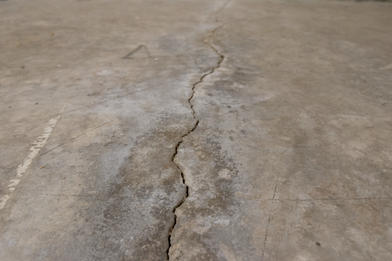
Foundation Cracks
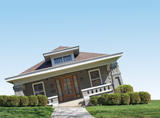
Expansive clay soils are often acidic in the Eastern and Southeastern U.S. and Pacific Northwest due to the heavy rainfall, which leaches alkaline nutrients from the soil. Clay soil expands when wet, contracts when dry, and can create soil voids and shifts, leading to foundation cracks and settlement.
Foundation Instability
Sandy, acidic soils are erosion-prone, especially in regions with heavy rainfall. This erosion undermines the soil’s foundation support, leading to uneven settlement and structural instability. Common signs include sagging floors and tilted or uneven surfaces.
Material Corrosion
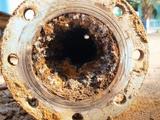
Acidic soils accelerate the corrosion of underground pipes and drainage systems, which may exacerbate water accumulation around the foundation, increasing the risk of further damage. This chemical breakdown also weakens concrete, compromising foundation integrity. Testing for soil acidity before building can help prevent soil-related foundation damage.
How to Prevent Acidic Soil Damage
Prevention methods are often effective in averting soil-related foundation damage. These preventative measures include:
Proper Drainage Systems
- Install and maintain drainage systems and ensure proper landscape grading to direct water away from the foundation.
- Ensure gutters and downspouts direct water at least 5–10 feet away from the foundation.
Foundation Waterproofing
- Seal the foundation with waterproof coatings to minimize water penetration and damage caused by acidic water.
- Install basement and crawl space vapor barriers and waterproofing measures to reduce moisture seepage.
Use Corrosion-Resistant Materials
- For new construction, choose concrete materials with acid-resistant additives and reinforced steel with protective coatings.
- Use plastic or PVC for underground pipes to prevent corrosion.
Improve Soil Stability
- Stabilize clay soils with lime or other material to reduce shrink-swell cycles.
- Improve foundation support by compacting loose sandy soils.
Soil Testing and Treatment
- Test soil pH to determine acidity levels.
- Neutralize acidic soils by applying lime to maintain a favorable pH level for structural stability.
Monitor and Maintain the Foundation
- Regularly inspect the foundation for damage and settlement and address issues promptly.
- Monitor water pooling near the foundation to prevent prolonged soil saturation.
Homeowners can significantly reduce the risk of foundation damage through regular inspections and preventative maintenance.
How to Repair Foundation Damage Related to Acidic Soil
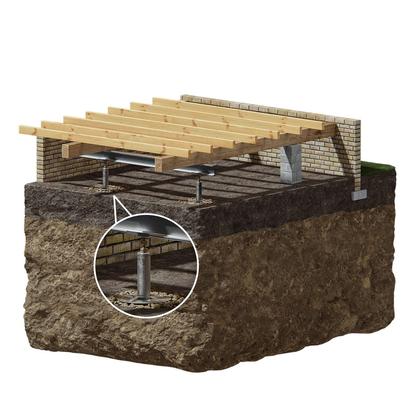
Foundation repair professionals address foundation damage using various methods. The chosen technique is determined by the soil conditions, the extent of the damage, and other factors. Repair methods include:
- Foundation Piers: Helical piers, push piers, and slab piers stabilize, reinforce, and realign foundations.
- Polyurethane Foam Injection: Polyfoam lifts concrete slabs, addresses cracks, and stabilizes the ground soil for long-term slab support.
- IntelliJack™ Crawl Space Supports: These steel beams reinforce sagging floors caused by foundation damage.
- Carbon Fiber Wall Reinforcement: Carbon fiber straps are ten times stronger than steel. They reinforce and realign bowing basement walls.
- IntelliBrace™ Wall Repair Systems: This system realigns severely damaged foundation walls through gradual readjustment.
- Wall Anchors: These anchors are driven deep into the ground and attached to anchors on the foundation walls. It utilizes tension to stabilize and realign foundation walls.
Contact Groundworks foundation repair experts if you suspect foundation damage on your property. Our professionals provide thorough inspections to diagnose compromised areas and create a tailored repair plan suited to your needs and budget.
Groundworks Provides Free Foundation Inspections

If you are concerned about the effects of soil on your home’s foundation, Groundworks can help. Our team has the training and expertise to diagnose foundation issues and provide long-term, tailored solutions.
Contact us today to learn how we can help.
Soil FAQs
The shrink-swell behavior of clay soil can cause foundation movement, leading to cracks in walls, uneven floors, and other structural issues.
Yes, poor soil composition that leads to foundation problems can decrease a property’s value.
The soil composition around your home plays a crucial role in foundation stability during extreme weather. For instance, clay soils are prone to expansion when wet and contraction when dry, which can cause significant foundation movement and increase the risk of damage.