AI-Powered
 Can Drought Cause Foundation Problems?
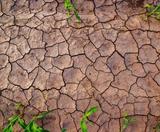
Drought can cause foundation problems because dry conditions make expansive soils shrink. When moisture returns, the soil swells. This repeated shrink-swell cycle can crack, shift, and weaken foundations.
Prolonged drought doesn’t just brown your lawn; it can crack your home’s foundation and cause other problems. In drought-prone areas, the real damage happens underground. As dry periods strip moisture from expansive soils beneath your foundation, the ground contracts. When rain finally returns, those same soils swell rapidly. Over time, this push-and-pull creates enough stress to shift your foundation, open cracks, and compromise your home’s stability.
What Causes a Drought?
A drought is caused by prolonged below-normal precipitation, leading to moisture shortages in soil, groundwater, and surface water. Unlike typical dry weather, droughts create a ripple effect within the environment:
- Rainfall becomes infrequent or stops for extended periods
- Streams and rivers drop to below-normal levels
- Reservoirs and lakes fall to unusually low levels
- Groundwater tables decline
- Soil moisture decreases, drying out the topsoil and vegetation
How Do I Know If I’m in a Drought?
Understanding drought conditions helps you proactively protect your foundation.
Environmental Signs of Drought Include:
- Grass turning brown during the growing season
- Wilting trees and shrubs
- Lower pond and stream levels
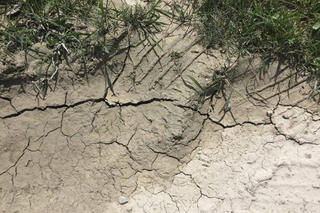
- Hard, cracked, and dusty soils
Official Drought Declarations to Monitor Include:

- Review current drought maps on the U.S. Drought Monitor
- Monitor local news for drought warnings or water restrictions in your area
- Watch for mandatory water use limitations issued by your municipality
- Check drought severity classifications (abnormally dry, moderate, severe, extreme, or exceptional drought)
Signs of Drought Around Your Property May Include:
- Foundation soil pulls away from your home’s perimeter
- Cracks appear in your yard or garden flower beds
- Wells or irrigation systems require more frequent use or show reduced water pressure
- Landscaping requires significantly more watering than usual
If you notice these signs, it may be time to begin implementing foundation watering practices to prevent soil shrinkage and foundation damage.
Droughts Aren’t Limited to Desert Climates
A common misconception is that droughts only occur in hot, arid regions. However, any climate can experience drought conditions when precipitation falls below normal levels.
For example, Colorado experiences frequent droughts despite its naturally dry climate. When typically moist soil suddenly experiences prolonged dryness, the impact on foundations can be particularly severe due to dramatic changes in soil volume.
How Long Do Droughts Last?
Droughts don’t end with one rainstorm. While occasional rainfall may provide temporary relief, true drought recovery requires sustained precipitation over several months. Plants absorb much of the initial moisture, and soil takes time to rehydrate to pre-drought levels. Depending on severity, it can take an average of 11 months to restore pre-drought conditions.
How Do Droughts Affect the Soil?
Drought conditions trigger several soil processes that can damage your home’s foundation:
Soil Dehydration and Compaction
When rainfall stops, moisture declines, leaving the soil extremely dry. Expansive clay-rich soils are particularly vulnerable, as they can lose substantial volume during severe drought. This shrinkage pulls the soil away from your foundation, creating gaps and voids that destabilize the structure.
Deep Soil Cracking
Extended drought periods cause soil to contract, leading to cracks in the soil structure and reducing its load-bearing capacity. When rain returns, water infiltrates these cracks, causing rapid and uneven expansion that stresses foundations.
Increased Erosion Risk
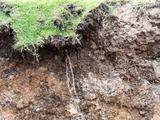
Drought-affected soil is highly susceptible to erosion, as it is vulnerable to wind erosion and washout during rainstorms. This erosion undermines the foundation’s support, causing settling and stability issues.
Soil Expansion and Contraction Cycles
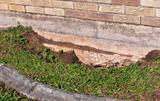
Perhaps the most detrimental part of drought is the recurring shrink-swell soil patterns. Over time, this repeated expansion and contraction creates stress, leading to significant foundation damage if left unaddressed.
Signs of Foundation Damage Caused by Drought
Drought-induced foundation damage often presents visible signs such as:
Interior Warning Signs

- Drywall cracks near door frames
- Floor and wall gaps
- Doors and windows that are difficult to open or close
- Uneven or sloping floors
- Drywall nail pops
Exterior Warning Signs
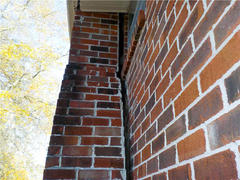
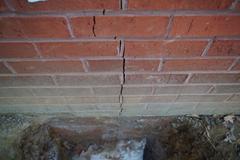
- Brick cracks, including horizontal or stair-step patterns
- Tilting chimney separating from the main structure
- Cracked block foundation
Structural Red Flags
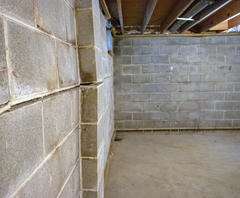
- Basement wall bowing
- Wall cracks
- Basement floor cracks
- Cracked foundation slab
- Sinking foundation
If you notice any of these signs, schedule a professional inspection to determine the extent of the damage and the most effective foundation repair options.
How to Prevent and Repair Drought Foundation Damage
Protecting your foundation from drought damage requires both preventive maintenance and professional solutions. Here’s how to safeguard your home:
Maintain Consistent Soil Moisture
- Water your foundation during dry periods, keeping the soil moist at least 12-18 inches from the foundation.
- Install soaker hoses along the perimeter of your foundation for consistent irrigation.
- Avoid overwatering, which can cause soil expansion.
Foundation Protection Solutions
Professional foundation repair solutions designed for drought-stricken areas include:
- Foundation piers (helical, slab, and push piers) provide deep, stable support
- Wall anchors stabilize bowing or leaning walls caused by soil pressure changes
- Basement wall reinforcements utilizing carbon fiber or steel systems prevent crack expansion
- PolyRenewal™ concrete lifting repairs sunken slabs
Expert Assessment and Customized Solutions
Professional foundation inspections help identify potential problems before they escalate. Proactive measures keep your foundation safe and stable throughout varying weather conditions.
Groundworks Provides Free Foundation Inspections

If you’ve noticed foundation cracks, settling, or other warning signs around your home, request a free, no-obligation inspection from Groundworks.
Our certified foundation repair experts will identify potential risks and provide solutions to protect your home from drought-related damage. Contact us today for a free estimate and to learn more.
Foundation Repair FAQs
Absolutely. Homes built on slab foundations can develop voids due to soil movement or erosion. Depending on the severity, polyurethane injection may work, but slab piers might be needed to provide deep structural support. Only a professional inspection can determine the best approach.
Yes, foundation repair restores the stability and integrity of your building, preventing further damage. Solutions like helical piles and polyurethane injection provide long-lasting support for your foundation.
Yes, by increasing soil density and treating expansive clays, we mitigate future risks of settlement, movement, or damage to foundations.