AI-Powered
 How to Identify Dry Rot in the Pacific Northwest
What if we told you that detecting the early warning signs of dry rot could save you time, stress, and money? Dry rot often goes unnoticed, hiding in areas you rarely inspect. Taking preventive steps is key to protecting your home and your wallet.
This page explains dry rot and what Pacific Northwest (PNW) homeowners can do to safeguard their investments.
What is Dry Rot?
Dry rot is a form of wood decay caused by the aggressive Serpula lacrymans fungus. It deteriorates wood, leading to a brittle and crumbling powder. Despite its name, dry rot thrives best in damp environments.
Why Are Pacific Northwest Homes Susceptible to Dry Rot?
Due to climatic conditions and architectural features, dry rot is a significant concern for Pacific Northwest homes. Here’s a breakdown:
- High Moisture Levels: The significant rainfall in the PNW, especially in winter, causes high moisture levels. This moisture creates the ideal environment for the fungi that cause dry rot to thrive.
- Mild Temperatures: The mild temperatures in the PNW enable decay processes to persist throughout the year.
- Humidity and Poor Ventilation: High humidity levels and inadequate ventilation in PNW homes can cause moisture accumulation in basements and crawl spaces, promoting fungal activity.
Dry Rot Problem Areas in Pacific Northwest Homes
Dry rot is prevalent in the moisture-prone Pacific Northwest region. Areas where dry rot thrives include:
- Basements
- Crawl Spaces
- Attics
- Wooden Window Sills and Frames
- Decks, Porches, and Patios
- Exterior Siding
- Areas Around Plumbing Fixtures
You can help prevent extensive damage and costly dry rot repair by identifying the problem signs before they worsen.
Early Signs of Dry Rot
Identifying wood rot before it becomes a significant problem can save you time and money. Here are the signs to look for:
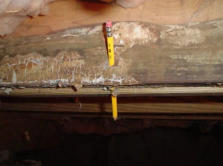
- Musty Odors: A damp, musty smell from moisture and fungal activity within the wood.
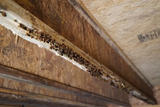
- Compromised Wood: Dry rot weakens wood, making it soft, spongy, and brittle. Affected wood may have deep cracks along the grain and a darker appearance.
- Spore Dust: A fine, reddish-brown dust signaling mature fungal growth. High concentrations can indicate significant fungal growth.
- Mycelium: A white or gray cotton-like fungal growth, known as mycelium, indicates active dry rot infestation.
If you observe signs of dry rot or spores in your home, contact a foundation repair expert for an inspection. Addressing the issue promptly through remediation and dry rot repair methods prevents further damage to your home’s structure.
How Do You Stop Dry Rot?
Dry rot prevention begins with regular inspections and maintenance. Additional prevention methods include:
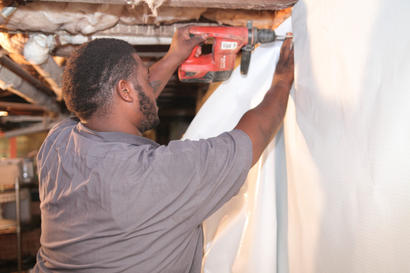
- Control Moisture: Crawl space encapsulation and basement waterproofing involve proper ventilation, a vapor barrier, a sump pump, a dehumidifier, insulation, and interior drainage systems to keep the area dry.
- Maintain Gutters and Downspouts: Ensure exterior gutters and downspouts are debris-free and pointed away from the foundation to reduce moisture accumulation near wooden components.
- Repair Leaks: Address plumbing, roof, and wall leaks promptly.
- Ensure Proper Grading: To prevent water pooling, yard and landscape grading should slope downward, away from the foundation.
- Apply Sealants: Protective sealants on exterior wood surfaces, such as siding and window frames, prevent moisture seepage.
- Use Pre-Treated Wood: Choose pre-treated and fungal-resistant timber for construction.
Remember: Dry rot prevention starts with regular inspections and maintenance. The longer problems persist, the worse they will become, causing significant and costly repairs. Prevent dry rot and address issues with long-term solutions by contacting Groundworks, your local foundation repair expert.
Groundworks: Expert Foundation Repair Strategies for Pacific Northwest Homes

Preventing dry rot is the best way to protect your Pacific Northwest home from costly damage. Proactively addressing the issue can save you significant time, money, and dry rot repair.
Schedule a free inspection with Groundworks today and take the first step toward safeguarding your home. Our tailored waterproofing and foundation repair solutions deliver long-lasting protection and peace of mind.
Dry Rot FAQs
Most standard homeowner’s insurance policies do not cover dry rot, as it is considered a maintenance issue resulting from gradual deterioration. Insurers typically view wood rot as a homeowner’s responsibility to prevent it through regular maintenance and moisture control. Only in rare cases involving sudden, unexpected events might partial coverage be possible.
You might wonder why you need to invest time and energy into keeping your crawl space dry in the first place. Mostly, this is a health and safety risk. Ensuring that your crawl space remains sanitary is important for the health of your family.
- Water Damage
Water damage can develop from repeated exposures to water. There are many ways that water can impact your home’s structure, including both waterlogging and the growth of fungus.
Supports and floor joists can be impacted by this excessive moisture if wood rot spawns. Wood rot readily devours wood, and left alone, it can compromise your home’s structural integrity. Your insulation is also at risk of mold and mildew if it isn’t made from a resistant material.
- Air Quality
Crawl spaces infected with wood rot, mold, or mildew will also lead to a change in indoor air quality. These organisms spread by releasing spores. As the humid air rises into the home, these spores are carried up as well.
Issues with air quality can impact the comfort and well-being of your family, especially if they have allergies. Plus, it can cause mold and mildew to grow in the rest of the home as well.
One of the major reasons for bouncy floors is wood rot. Whether an expert has told you that you have wood rot or you just suspect it due to your bouncy floors, you might worry that staying in a home with wood rot is dangerous. Here’s a full run-down of the information regarding the dangerousness of wood rot itself.
- Toxicity of Wood Rot
Because wood rot is a fungal infestation, many homeowners associate mold with wood rot. Mold can be extremely dangerous just to be around; it can exacerbate allergies and asthma, making it a problem in any home. However, wood rot itself is not toxic, so it isn’t dangerous in that manner.
What can be dangerous, however, are the pests that are attracted to rotting organic material. The most obvious pests that thrive in these conditions are cockroaches, but there are others. The droppings and bacteria that come with pest infestations can be very damaging to your health. As well as being unhygienic, they can cause skin rashes and respiratory problems.
- Compromised Structures
Where the dangers of wood rot lay are in how drastically and quickly it can compromise your home. Wood is a primary component used to build most homes. In many cases, wood comprises the framework of a house. This serves as its skeleton, as it were. Left to its own devices, wood rot will continue to eat away at these essential structures until the home is unsafe to live in.
If you have drywall panels in your home, they will succumb to things like dampness, wood rot, and termites far more quickly than thick, wooden support beams. Of course, the fallout of damaged drywall panels is far less severe than the potential outcomes of a rotting support beam or a roof joist infested with termites.
- Difficult to Fix
Another reason that wood rot can seem very dangerous is because it’s immensely difficult to fix, especially if you ignore it for a long time. If you leave the wood rot for a very long time, allowing it to keep eating away at your home’s walls and floors, you could end up paying thousands upon thousands of dollars to fix the problem.
There’s very little that you can do other than to cut the rot out. This is fairly inconvenient when it’s a few floor support joists, but when it comes to replacing structural support beams, you could be looking at an immense amount of time and money. This, of course, is a homeowner’s worst nightmare, but GroundWorks has options in place to help with even the worst-case scenario.
Related Resources