

 AI-Powered
 A Season of Caring: Helping Seniors Through the Winter Weather
Jack Frost is working overtime this year, covering the country in snow and sending temperatures plummeting.
And while many of us are checking our holiday lists, it’s worth adding one more item: making sure the seniors in our lives stay safe and comfortable.
As a foundation repair company, we spend a lot of time thinking about how homes protect the people inside them. We’re sharing what we know to help keep older adults safe, along with a few extra tips for navigating the cold.
Winter Weather Challenges for Seniors: What to Watch For
This winter’s storms aren’t just hitting the usual snowbelt cities; places that rarely see heavy snowfall are getting buried, too.
Let’s dive into specific challenges and tips to help older adults.
1: The Hidden Dangers of Shoveling Snow
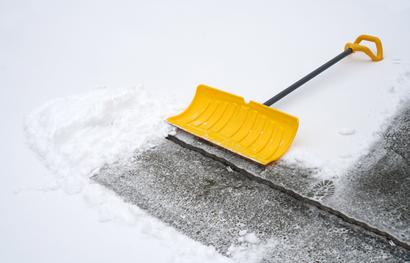
When snow starts piling up, many seniors feel the urge to grab a shovel. But shoveling is far more strenuous than it looks, especially for people who may have heart concerns or aren’t used to physical activity.
A study published in the American Journal of Emergency Medicine found that nearly 200,000 people were hospitalized for snow-removal injuries between 1990 and 2006, that’s more than 11,000 per year. Even more alarming, more than 1,500 deaths were tied to these incidents, with every one attributed to cardiac events.
Why is it so dangerous? The American Heart Association experts report that shoveling for even two minutes can spike heart rates to over 85% of a person’s maximum, a level typically only reached during intense aerobic exercise. And the impact is most severe for individuals who are least physically conditioned.
But the risks don’t stop at overexertion. Uneven or sunken concrete, like driveways, patio steps, or sidewalks, makes shoveling even harder and increases the risk of tripping. According to the CDC, about 1 million older adults are hospitalized each year due to fall-related injuries, many of which occur outdoors.
Tip: Plan Ahead for Snow Removal & Reduce Falling Hazards
One of the best ways to protect seniors is to pre-arrange snow and ice removal for driveways, walkways, and stairs before the storm hits. Whether it’s a neighbor or a professional service, having someone lined up reduces the temptation for seniors to grab a shovel themselves.
And to lower fall risks year-round, consider addressing uneven or cracked concrete. Lifting concrete with polyurethane foam creates a level, stable surface, making winter navigation safer. Groundworks can help restore these areas, so walkways are easier and safer for seniors in all seasons.
2: Higher Risk of Hypothermia and Frostbite
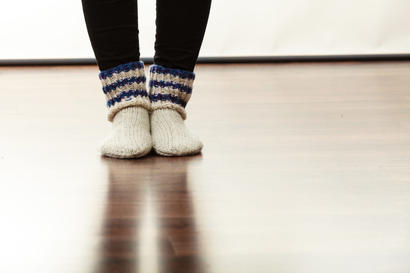
As we age, our bodies become less efficient at regulating temperature, making seniors more vulnerable to the cold, even indoors.
The National Institute on Aging notes that a body temperature of 95 degrees Fahrenheit or lower can trigger serious health issues, including heart rhythm changes, kidney problems, and liver complications. With extreme cold gripping parts of the country right now, that risk climbs even higher.
Tip: Help Seniors Layer Up, Stay Warm
You can make a big difference by helping the seniors in your life stay warm and prepared. Offer to set out winter essentials, like hats, scarves, gloves, and warm layers, so they’re easy to grab. A quick reminder to carry a fully charged phone and let someone know their plans can also go a long way in keeping them safe.
3: Heating Costs Can Be a Hidden Burden
For many seniors living on a fixed income, winter brings a difficult choice: keep the heat lower to save money or face rising utility bills.
In extreme cold, that choice can quickly become risky. Aging bodies feel the cold more intensely. AARP notes that older adults naturally lose muscle (a key source of heat and insulation), tend to have thinner skin, and experience reduced blood flow. All of this makes seniors feel colder faster and more vulnerable when indoor temperatures drop.
The National Institute on Aging reports that about 20 percent of cold-related injuries actually occur inside the home, often because indoor temperatures weren’t warm enough. They recommend keeping the thermostat set to at least 68°F to help prevent hypothermia in older adults.
Tip: Help Seniors Reduce Heating Costs Without Sacrificing Warmth
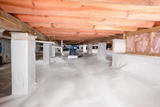
You can help an older loved one stay safe by making their home more efficient, not just warmer. Start by encouraging (or helping schedule) a pre-season HVAC service to ensure their system is running efficiently and not wasting energy.
Next, consider improvements that make their home naturally warmer. Adding insulation, especially in the crawl space, can make floors warmer and reduce drafts. For a bigger impact, crawl space encapsulation can cut energy bills by up to 18%, helping seniors stay warm without financial stress. And with financing options available, these upgrades are often more affordable than many expect.
Even simple steps can make a meaningful difference in keeping a senior’s home warmer without driving up costs.
You can also help by:
- Placing rolled towels at the base of doors to block drafts
- Keeping blinds and curtains closed to retain heat
- Adding weather stripping or caulk around drafty windows
- Supporting healthy eating habits to maintain body heat
- Limiting alcohol, which can reduce the body’s warmth
These small but thoughtful steps help seniors stay warm and keep heating costs manageable, so they never feel torn between comfort and financial safety.
4: Power Outages Hit Seniors Harder
When winter storms knock out power, most of us bundle up and wait it out, but for older adults, losing heat can become dangerous much faster.
With age, the body’s ability to stay warm decreases for all the reasons we’ve mentioned, and that makes even a few hours without heat far riskier for seniors than for the average person.
Tip: Help Seniors Prepare a Backup Plan Before the Power Goes Out
You can make a major impact by helping older loved ones prepare before an outage happens.
Start by assembling a simple backup kit with essentials such as:
- Warm blankets
- Flashlights and extra batteries
- Bottled water
- Nonperishable snacks
- Essential medications
You can also help by:
- Encouraging seniors to fully charge their phones before a storm
- Printing or writing down emergency contacts and keeping them easy to find
- Identifying a warm, safe place they can go if the heat stays off, such as a neighbor’s home, a family member’s house, or a community warming center
Keeping Seniors Safe All Winter Long
Winter’s extreme cold and heavy snow can bring real challenges for older adults, but with a little planning, seniors can stay safe, warm, and confident throughout the season.
This time of year, when we naturally think of others, offers the perfect opportunity to help seniors navigate the winter weather. And when home comfort or safety needs a boost, Groundworks is here to help ensure their space stays warm, stable, and protected from the elements. Whether it’s clearing a walkway or improving the safety and comfort of their home, your support can turn a cold season into a much brighter one.
