AI-Powered
 Flood and Mold Risks in Maine: What Homeowners Should Know
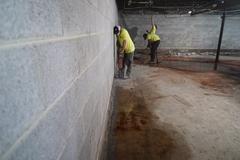
Flooding is becoming more frequent and severe across Maine, putting homes, basements, and infrastructure at risk. Beyond the visible damage, persistent moisture creates the ideal environment for mold, leading to health concerns for those with allergies or respiratory conditions.
Fortunately, there are proactive steps you can take to protect your home and family.
This page explores how Maine homeowners can reduce risk and stay prepared with proper basement waterproofing measures.
Why Flooding and Mold Risks Are Increasing in Maine
If it feels like it’s raining more in Maine than it used to, you’re not imagining things. Climate change has increased rainfall intensity, leading to more inland flooding, property damage, and mold growth. The following stats may surprise you:
- The summer of 2023 was Maine’s second wettest on record, trailing only the summer of 1917.
- In Portland alone, hourly rainfall intensity has increased by 15% since 1970.
Higher humidity and warmer temperatures also increase mold growth in Maine homes. Elevated moisture levels can speed mold development, especially in poorly ventilated basements. Older homes with insufficient drainage are particularly vulnerable to water intrusion and mold issues.
The Cost of Inaction: Risks for Maine Homeowners
Even minor water or mold issues can become significant problems if left unaddressed. Here’s what Maine homeowners are experiencing and why early intervention matters.
Mold Growth Spreads Quickly
A small amount of water intrusion or mold might not seem like a major concern, but both can lead to significant and costly damage over time.
Mold often begins to grow within 24 to 48 hours after flooding. Once it spreads, it can damage personal belongings and become embedded in carpets, insulation, and structural components.
Mold Exposure Leads to Health Concerns
Health risks are also a concern. Mold exposure can trigger issues in those with respiratory conditions, and individuals with compromised immune systems face a higher risk of mold-induced lung infections.
Many Maine homeowners have dealt with mold following a flood. In February 2024, a York County homeowner discovered mold after a sump pump failure flooded their basement. Their insurance didn’t cover the damage, forcing them to cover the full cost of cleanup and repair.
Flooding and Mold Cause Structural Damage
Flooding doesn’t just lead to mold. Water seepage causes floor cracks, bowing walls, and jeopardizes your home’s foundation.
Ignoring water intrusion and mold growth can lead to repairs that cost tens of thousands of dollars, often expenses that insurance may not cover. Taking proactive steps to protect your home is crucial for preventing water and foundation damage.
Where Does Mold Grow?
Not all parts of your home are equally at risk when it comes to mold. Areas with high moisture, poor drainage, or limited airflow are especially vulnerable, particularly after a flood or heavy rainfall. Mold growth in the following spaces:
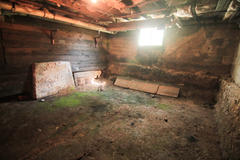
- Basements (fieldstone or concrete) with little or no drainage
- Crawl spaces with exposed soil or no vapor barrier
- New homes with tight construction and limited airflow or ventilation
Understanding where mold is most likely to grow can help you take targeted steps to prevent it. Prioritizing these high-risk areas for inspection, waterproofing, or encapsulation can go a long way in protecting your home and health.
How to Prevent Mold and Flood Damage
Prevention is key to avoiding costly repairs. Whether addressing active water issues or planning ahead, these solutions help safeguard your home.
Immediate Mold and Moisture Control Steps
Flooding and mold growth can cause serious harm to your home and health, but proactive steps can make a big difference. Whether preparing for a storm or addressing ongoing moisture issues, immediate and long-term solutions are worth considering. Here are some short-term ways to protect your home:
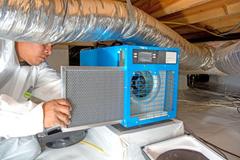
- Install a basement dehumidifier: Mold thrives in damp environments, so consider running a basement dehumidifier to remove moisture from the air after a storm. It helps regulate indoor humidity and improves air quality.
- Test the sump pump: Ensure your basement sump pump functions properly, and consider adding a battery backup to keep it running during power outages. A functioning sump pump moves water away from your basement or crawl space to a safe drainage area.
- Seal entry points: Inspect for and seal wall cracks or other openings in your basement or crawl space that could allow water to seep in.
Long-Term Waterproofing and Mold Prevention in Maine Homes
Now, here are some longer-term solutions:
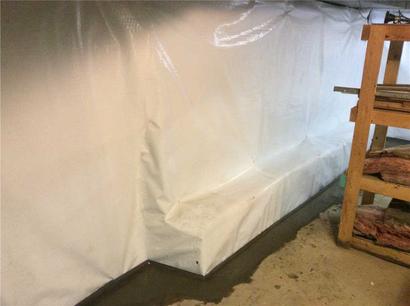
- Install an interior basement drainage system: A basement drainage system directs water to your sump pump, which then channels it safely away from your home.
- Apply a vapor barrier: Adding a vapor barrier keeps moisture out of the basement or crawl space, preventing mold growth.
- Waterproof key areas: Consider investing in additional waterproofing or crawl space encapsulation measures, such as egress windows, grated drain pipes, or drainage matting to manage moisture.
Groundworks: Local Flood and Mold Protection in Maine
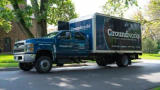
Working with a trusted local expert ensures your home is protected from moisture, mold, and foundation issues year-round. Groundworks provides Maine homeowners with reliable service backed by:
- Free inspections
- Local expertise in Maine and the surrounding New England area
- Positive customer reviews
- Custom-engineered waterproofing solutions
- Long-term warranties
Contact us today to schedule your free inspection and explore the best ways to protect your home and family.
Basement Waterproofing FAQs
Waterproofing your basement once so you’ll never have to worry about it is definitely worth the investment. You can’t put a price on your peace of mind.
We do not recommend DIY basement waterproofing. While sealing basement walls may seem like a quick fix, it is crucial to address mold and mildew issues first. Contact a professional to identify, repair, and prevent leaks rather than attempting a DIY patch-up.
While waterproofing your foundation is not required, it is highly recommended. Waterproofing your basement or encapsulating your crawl space can protect your space from excessive humidity, mold, and pest infestations.
Related Resources