AI-Powered
 June 2025 Was One of the Hottest on Record—Get Your Home Ready for What’s Next
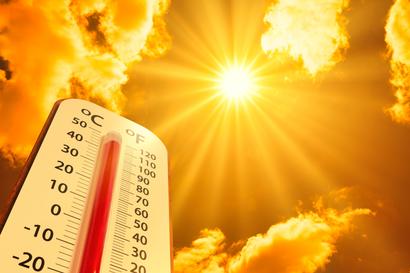
If you spent most of June searching for shade, you weren’t alone. We all felt the heat, but now that the numbers are in, June wasn’t just hot. It was historic.
According to the National Centers for Environmental Information (NCEI), June 2025 recorded the third-highest global surface temperature for any June in the past 176 years, slightly cooler than June 2023 and June 2024, which hold the #2 and #1 spots, respectively.
June 2025 by the Numbers
In the U.S., a late-June heatwave swept across much of the central and eastern parts of the country, sending thermometers soaring.
NCEI, part of the National Oceanic and Atmospheric Administration, reports that:
- The average temperature for the contiguous U.S. made June 2025 the seventh-warmest June on record.
- Above-average temperatures were recorded across most of the Lower 48.
- Much-above-average warmth hit the western third of the U.S., the Florida Peninsula, Mid-Atlantic, Northeast, and Great Lakes regions.
- Rhode Island saw its second-warmest June ever, and its warmest nighttime lows, 5.8°F above average.
But it wasn’t just the heat—June brought more rain than usual across much of the U.S.
- The average precipitation for the contiguous U.S. was 3.22 inches—that’s 0.30 inches above the long-term average, placing June in the wettest third of the 131-year record.
- Heavy rain fell across the Southwest, Plains, Mississippi Valley, Ohio Valley, Great Lakes, and parts of the Deep South.
- Meanwhile, the Northwest stayed dry—very dry. The region had its third-driest June on record, with Washington and Oregon each receiving less than half an inch of rain.
- Some areas, like north-central California and south-central Washington, saw no measurable rainfall at all for the entire month.
In other words, it was hot and soggy in some parts, and hot and bone-dry in others. June made its mark coast to coast.
8 Steps to Stay Cool During a Heatwave — And Protect Your Foundation While You’re At It
Not everyone has the luxury of central air or the budget to crank the AC. But whether you’re trying to keep your family comfortable or protect your home from what the weather might throw at it next, here are a few smart ways to prepare:
If staying cool at home isn’t an option, seek out public cooling centers like malls, libraries, or community centers. Call your local municipality or dial 2-1-1 to find options near you.
1. Prep Your AC Before the Heat Hits
Clean or replace filters, check refrigerant levels, and make sure your system is ready for the season.
2. Escape to Your Basement
Basements stay cooler because they’re dug into the earth, where temperatures are naturally lower. In many regions, this space can be 5–10°F cooler than the main floor.
To make it usable:

- Install a drainage system to keep and pump water out
- Add a vapor barrier to control moisture
- Use a dehumidifier to improve air quality
3. Block the Heat at the Source
Use blackout curtains, window film, and check weatherstripping to keep hot air out and cool air in.
4. Upgrade Your Insulation
Focus on attic insulation, especially around the attic door, to prevent heat from radiating down into living spaces.
5. Ventilate Your Attic
Install attic fans or ridge vents to push trapped hot air out and reduce your home’s internal temperature.
6. Insulate Your Crawl Space

Encapsulating the foundation walls and floors with a vapor barrier and dehumidifier keeps heat and humidity from creeping in from below.
7. Apply a UV-Reflective Roof Coating
This helps reflect sunlight and reduce roof surface temperatures, keeping your upper floors cooler.
8. Check for Signs of Foundation Settlement in Drought-Prone Areas
If you’re in a region like north-central California or south-central Washington, where no measurable rainfall was recorded in June, you could be experiencing foundation settlement. Dry conditions cause the soil beneath your home to shrink, creating air pockets and instability.
Look for signs like:

- Cracks in walls or ceilings
- Sticking doors and windows
- Sloping or uneven floors
These are all signs your foundation is moving. Foundation piering can stabilize your home by transferring its weight to stable soil or bedrock below, keeping it secure even when the ground around it shifts again.
Understanding Heat-Related Illness
Extreme heat is more than uncomfortable—it’s dangerous. Defined as temperatures above 90°F for at least two to three days, extreme heat stresses the body, making it work overtime to stay cool. According to the CDC, heat kills more people in the U.S. annually than any other weather-related hazard.
Common symptoms of heat-related illness include:
- Headache
- Dizziness or fainting
- Nausea or vomiting
- Rapid heartbeat
- Heavy sweating or no sweating at all
- Muscle cramps
- Confusion or disorientation
If you or someone you know is experiencing these symptoms, move to a cooler location, hydrate immediately, and seek medical attention if necessary.
Need a Cool, Dry Place to Escape the Heat? Start Below
At Groundworks, we don’t install air conditioners—but we do make the places you rely on for relief—your basement and crawl space—cooler, drier, and more comfortable.
When the next heatwave rolls in, you’ll want a space to retreat to, and we’ll make sure it’s ready. Contact Groundworks today to schedule a free inspection and take the first step toward a cooler, safer home this summer.
Heat Related FAQs
Extreme heat can dry out the soil around your home, especially in drought-prone areas. As the soil shrinks, it can no longer adequately support your foundation, leading to cracks, uneven floors, and settlement.
Basements are built below ground, where temperatures are naturally more stable. In many areas, the soil stays between 50–70°F year-round, making basements a cooler place to escape the heat, especially when properly insulated and sealed.
Yes. High temperatures and poor ventilation can trap heat and humidity in your crawl space, leading to mold, wood rot, and higher indoor humidity levels. Sealing and insulating your crawl space helps keep both heat and moisture under control.
Related Resources