AI-Powered
 New Construction Foundation Waterproofing Methods in Houston
Houston’s climate and soil conditions make foundation waterproofing a must for new construction. Without proper protection, your investment could face structural damage.
This page explores the new construction foundation waterproofing and foundation repair methods that shield Houston homes from these unique environmental challenges.
New Construction Foundation Waterproofing Techniques
Consider the ground like a sponge. When it rains, water saturates the soil, accumulates, and pushes against slab foundations from all sides. New construction waterproofing uses specialized methods to prevent hydrostatic pressure and stop moisture seepage. These techniques act like a raincoat for your foundation, protecting it from the ground up.
Common methods for protecting foundations from water damage include:
- Proper Grading: The landscape and yard grading slope should point away from the house to ensure proper water flow and drainage.
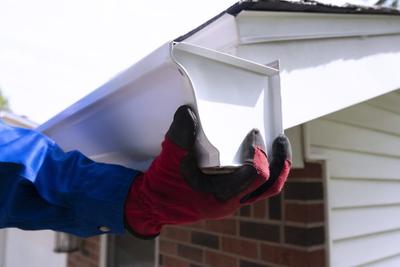
- Gutters and Downspouts: These drainage components should be clear of debris and pointed away from the house to prevent water pooling near the concrete slab foundation. Regular inspections and maintenance ensure these systems remain in good working order year-round.
- Exterior Waterproofing Membranes: These membranes are applied to the exterior and perimeter foundation and create a barrier against water entry. Exterior waterproofing membranes are often installed with French drains to better manage water flow and protect your Houston home from hydrostatic pressure. This method is highly effective in areas with a high water table, such as Houston.
- Drainage Systems: These components include French drain systems and exterior drain tiles. They direct water away from the foundation area and prevent water damage in slab foundations.
New construction foundation waterproofing is crucial for preventing costly damage in your Houston home. Contact a foundation repair expert to learn ways to safeguard your investment.
How Houston’s Climate and Soil Impact on Foundations
Many Houston homeowners don’t realize that preventing foundation damage starts before their home is even built. The extreme summer heat and flood-prone climate make proper foundation protection essential to prevent severe structural damage. Let’s look at these impacts in more detail.
Climate Considerations
- Proximity to the Gulf of Mexico: Houston’s close proximity to the Gulf of Mexico makes the city prone to hurricanes, heavy rainfall, and high humidity humidity. These factors increase the risk of water infiltration in concrete slab foundations. Hurricane Harvey is a prime example of how flooding affects foundations, where thousands of homeowners filed insurance claims for damage.
- Flooding Events: Frequent flooding saturates Houston’s clay soil and causes hydrostatic pressure against concrete slab foundations, which causes damage.
Soil Characteristics
- Erosion Risks: Heavy rainfall causes soil washout near the foundation, leading to structural instability.
- Expansive Clay Soil: Houston’s expansive clay soil expands when it absorbs water and contracts when dry. This ongoing ground soil movement, driven by the region’s climate, causes unstable conditions, foundation shifts, slab leaks, cracks, and water seepage.
Benefits of New Construction Foundation Waterproofing
Preventative measures ensure your foundation remains safe and stable long-term. Benefits for homeowners include:

- Lower Maintenance Costs: Waterproofing can save homeowners significant repair and maintenance costs by preventing future water damage and foundation issues.
- Enhanced Property Value: Homes with well-waterproofed foundations appeal to potential buyers by offering increased long-term value.
- Reduced Risk of Foundation Settlement: Minimizing soil movement and moisture with waterproofing helps prevent slab settlement and cracking. This ensures foundation stability and your family’s safety.
Contact Groundworks for Specialized Foundation Solutions

New construction foundation waterproofing methods in Houston are essential for your home’s long-term durability and safety. By considering local climate and soil factors, implementing proper waterproofing techniques, and adhering to best practices, builders can protect concrete slab foundations from water-related damage.
Contact Groundworks for a free foundation inspection. We provide thorough assessments and tailored repair plans for your needs and budget.
Foundation Waterproofing FAQs
Regularly inspect your home for signs of water damage and ensure proper drainage systems are in place. Waterproofing your basement and foundation can significantly reduce the risk of damage.
Waterproofing typically is done to the inside of your basement or crawl space, not the outside. Interior waterproofing is longer lasting, and it is much easier to do. If you have a basement foundation, then it is virtually impossible to waterproof it from the outside once it has already been built.
Water retention refers to how well soil holds moisture. It’s important because different levels of retention affect how the soil expands and contracts, and how it supports foundations.