

 AI-Powered
 Void Filling
Voids beneath concrete slabs compromise structural integrity. Groundworks professionals use polyurethane injection.

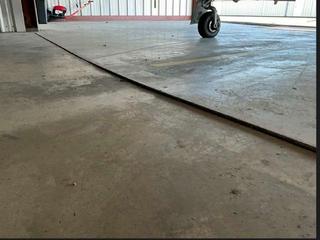
Voids beneath your concrete slab, whether under sidewalks, driveways, or a slab foundation, cause cracking, sinking, and uneven surfaces. Left unfilled, these gaps compromise safety and signal underlying soil or drainage issues.
At Groundworks, we specialize in filling and stabilizing voids with proven methods like polyurethane foam injection. This process quickly fills the empty space beneath your concrete, lifts it back into place, and helps protect it from future settling or damage.
Why Concrete Slabs Sink or Crack
Voids beneath concrete happen for many reasons, usually tied to water, soil, or construction issues. Common causes include:

- Eroding or Settling Soil: Heavy rains, poor drainage, or plumbing leaks wash soil away, leaving unsupported space beneath the slab.
- Freeze-Thaw Cycles: In colder climates, expanding and contracting soil can stress concrete and create gaps.
- Drought Conditions: In dry seasons, shrinking clay soil can pull away from the slab, causing it to sink.
- Improper Compaction: If the soil wasn’t compacted well during construction, it may compress over time.
- Poor Drainage: Short downspouts, clogged gutters, or sloped yards can direct water toward the slab, worsening erosion.
The Best Way to Fill Voids Under Concrete
At Groundworks, our teams use polyurethane foam injection, known as PolyRenewal™, to lift and stabilize concrete slabs. It’s a long-lasting, noninvasive solution for sidewalks, driveways, patios, and slab foundations.
Why Homeowners Choose Polyurethane Injection

- Precise Lift: Expanding foam fills the void, lifts the slab, and stabilizes the soil below.
- Quick Cure Time: Most repairs take just a few hours, and you can use your concrete the same day.
- Lightweight, Durable: Unlike heavy cement slurries used in mudjacking, polyurethane won’t add extra weight or shrink over time.
- Minimally Invasive: Only small holes are drilled, less disruption, less mess.
What’s Really Happening Beneath Your Slab
Beneath your concrete slab is soil meant to hold everything up. But water, whether from rain, plumbing leaks, or poor drainage, can slowly wash that soil away.
The Problem: Hidden Voids
As erosion continues, a void forms under the slab. Without solid support, the concrete begins to flex, crack, and sink—just like stepping on a hollow drum.
The Fix: Polyurethane Foam Injection
Our PolyRenewal™ system solves this fast. We drill small holes, inject expanding polyurethane foam, and watch as it fills the void and lifts the slab back into place. It sets in minutes and creates a strong, waterproof support that lasts.
Restore Your Slab Foundation with the Right Solution

If you think concrete voids only affect sidewalks and driveways, think again.
If your home has a slab foundation, those same underground gaps could form beneath your floors. Common signs include cracking, uneven floors, or areas that feel like they are sinking underfoot.
Sometimes, polyurethane foam injection may be the best solution to fill voids and lift the slab. In other cases, slab piers may be needed to permanently stabilize the foundation by anchoring it to deeper, load-bearing soil.
The only way to know for sure is to schedule a professional inspection. An expert will recommend the right fix to restore your home’s long-term stability.
Why We Don’t Recommend Mudjacking
Some contractors still offer mudjacking, a process that pumps a cement slurry under the slab. While it may be cheaper upfront, it has several downsides:
- Heavier material can cause more settlement later.
- Longer cure time (24–72+ hours).
- Larger holes are required in the slab.
- Less durability over time.
Polyurethane injection is the faster, cleaner, and longer-lasting choice for most homes.
When Slab Replacement Is Necessary
If the concrete is severely cracked, crumbling, or structurally compromised, partial or full replacement may be the only option. But keep in mind:
- Partial slab replacement involves removing sections and pouring new concrete.
- Full slab replacement is more disruptive and costly, with a cure time of up to 28 days.
Whenever possible, we recommend lifting and stabilizing existing slabs instead of replacing them—it’s faster, more affordable, and just as effective.
Restore Your Concrete the Right Way
Groundworks provides trusted concrete lifting services across the country. Our teams specialize in lifting and stabilizing sinking slabs with warranty-backed polyurethane injection that delivers lasting results.
If you see cracks, trip hazards, or uneven concrete outside your home, don’t wait for it to worsen.
Schedule a free inspection today. We’ll explain exactly what’s causing the problem and offer a clear, customized plan to lift and protect your slab for good.
Concrete Void FAQ's
Mudjacking uses a heavier slurry mix that can add weight and settle again over time. Polyurethane is lighter, faster to cure, and more precise, making it the preferred solution for most residential applications.
Absolutely. Homes built on slab foundations can develop voids due to soil movement or erosion. Depending on the severity, polyurethane injection may work, but slab piers might be needed to provide deep structural support. Only a professional inspection can determine the best approach.
When done correctly using polyurethane foam and proper drainage improvements, void filling is a long-lasting solution. However, addressing the root cause, like poor grading or drainage, is essential for preventing future problems.
