AI-Powered
 Interior vs. Exterior Waterproofing: Which Option Is Right for You?
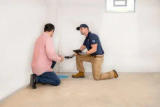
When it comes to moisture management, you might wonder whether interior or exterior waterproofing solutions are best for your home. Both offer benefits, but the right choice depends on the underlying causes of water infiltration and other factors.
This page explores interior vs exterior waterproofing options to help simplify the decision-making process.
- What's The Difference Between Interior and Exterior Waterproofing?
- How Does Interior Waterproofing Work?
- How Does Basement Exterior Waterproofing Work?
- Is it Better to Waterproof a Basement From the Inside or Outside?
- What is the Cost of Waterproofing?
- Contact Groundworks for Expert Waterproofing Solutions
What’s The Difference Between Interior and Exterior Waterproofing?
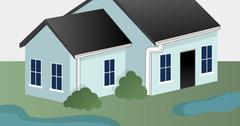
Interior and exterior waterproofing solutions provide comprehensive protection against water infiltration and damage. Interior methods, such as basement drains, redirect current water infiltration, while basement exterior waterproofing methods prevent water from entering in the first place.
For example, waterproofing exterior basement walls involves addressing the root cause of moisture by creating a barrier at the source. This process typically requires excavating around the foundation and applying specialized membranes, coatings, or drainage systems to keep water away from the structure entirely. While the exterior waterproofing cost can be more expensive than interior solutions, it often provides more comprehensive long-term protection.
Understanding the specifics of each is crucial to achieving comprehensive waterproofing benefits that meet your needs and budget.
How Does Interior Waterproofing Work?
As its name suggests, interior waterproofing involves installing systems inside the basement to remove water and prevent damage. Here’s a look at these systems and how they work:
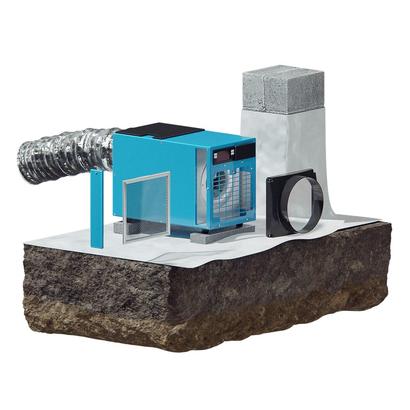
- An interior drainage system collects water and directs it to the sump pump for removal.
- Sump pumps capture and direct groundwater away from the home, preventing backups.
- Basement dehumidifiers prevent and remove air moisture that causes mold and wood rot.
- Vapor barriers prevent moisture vapor from passing through basement walls, preventing condensation, mold, and wood rot.
What Are The Benefits of Interior Waterproofing Systems?
Interior waterproofing provides vital protection against water intrusion and related damage. These systems offer many benefits, including:

- Cost-effective: Interior waterproofing is typically less expensive than exterior methods.
- Minimally Disruptive: Excavation is not necessary during interior waterproofing installation.
- Year-round Installation: Interior systems can be installed year-round regardless of weather conditions.
- Improved Indoor Air Quality: Interior waterproofing reduces humidity, mold, and mildew, enhancing indoor air quality caused by the stack effect.
- Quick Installation: Interior waterproofing systems usually require one to two days of installation time.
- Protected Belongings: Interior waterproofing systems protect belongings from water damage and mold.
- Bonus Living Space: A dry, healthy basement can be finished and used as a living area or other usable space.
- Enhanced Property Value: A dry basement appeals to potential buyers, enhancing property value.
Interior waterproofing systems offer essential protection against water intrusion. However, they require regular maintenance to ensure proper system functioning and clog prevention. Contact a basement waterproofing professional for an inspection to determine the best solutions for your home. Many waterproofing experts, like Groundworks, offer maintenance service plans to ensure ongoing protection.
What Are The Disadvantages of Interior Waterproofing Systems?
Interior waterproofing systems are beneficial, but they do have drawbacks. These disadvantages include:
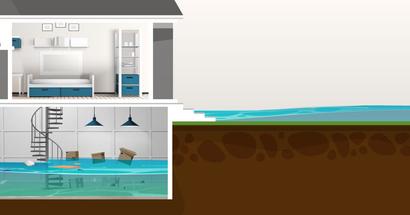
- Potential Humidity Issues: Interior waterproofing systems may increase humidity levels if not properly installed and maintained by a professional.
- Requires Maintenance: Regular inspection and cleaning are required to prevent clogs and ensure proper functioning.
- Limited Structural Protection: Interior waterproofing doesn’t protect against exterior flooding and foundation damage.
- Limited Property Value Enhancement: If exterior systems are insufficient, interior waterproofing alone may not fully protect against water damage, which can potentially affect property value.
Basement waterproofing professionals ensure the interior system complements the existing exterior waterproofing for comprehensive protection.
What Interior Waterproofing Methods Should I Avoid?
You’ve probably seen ads and videos for materials available online and in big-box stores marketed as “waterproof.” Products such as “waterproof” paints, sealants, epoxy injections, and similar DIY solutions are not designed for long-lasting waterproofing.
These products are temporary fixes that merely cover up cosmetic damage without addressing the root cause of the problem. Ultimately, they will fail and allow water intrusion to continue, requiring repeated application with no guarantee of a dry basement.
Overall, we don’t recommend DIY waterproofing attempts. The best approach is to invest in professional interior waterproofing solutions installed by an experienced professional, like your local Groundworks Company.
How Does Basement Exterior Waterproofing Work?
Exterior waterproofing systems prevent water infiltration before interior systems need to intervene. Common components include:
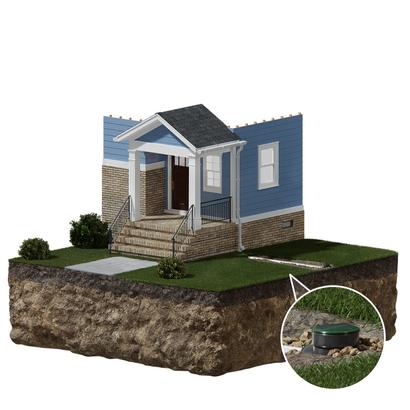
- Gutters collect water and direct it through downspouts, keeping it away from the foundation.
- Downspout extensions direct water further from your foundation to prevent pooling.
- Exterior French drains collect and redirect groundwater.
- AquaStop YardWell™ exterior discharge line outlets enhance downspout functionality by preventing clogs and overflow and diverting water to an outlet grate.
- Proper yard grading ensures a slope that directs water away from the foundation.
What Are The Benefits of Exterior Waterproofing Systems?
Exterior waterproofing basement systems provide a first line of defense against water intrusion. Benefits include:
- Foundation Protection: Exterior waterproofing protects your home’s foundation and structural integrity.
- Reduced Mold and Mildew: Moisture reduction prevents unhealthy mold and mildew.
- Longer-Term Solution: Basement exterior waterproofing systems provide long-term moisture management.
- Enhanced Property Value: A dry, healthy foundation enhances property value by signifying a well-maintained home.
- Peace of Mind: Knowing your home is protected from the outside provides invaluable peace of mind.
Components like an exterior basement drainage system and an exterior waterproof membrane help keep water out before it reaches your home. Exterior waterproofing systems are ideal for new constructions or areas with high water tables. However, they come at a higher exterior waterproofing cost and may require significant excavation.
What Are The Disadvantages of Exterior Waterproofing Systems?
Exterior basement waterproofing is a highly beneficial solution for managing water. However, these systems come with disadvantages, including:
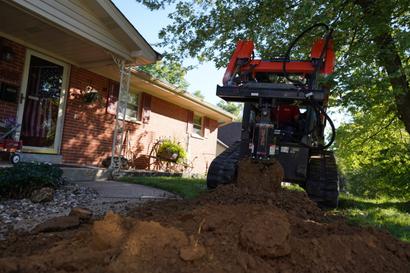
- High Cost: The exterior waterproofing cost is typically higher than interior methods.
- Disruption and Damage: Exterior waterproofing installation often disrupts landscaping and can damage porches, decks, and other features.
- Weather-Dependent: Exterior basement waterproofing installation requires ideal weather conditions.
- Limited Accessibility: Some homes have limited foundation accessibility. Incorrect installation can damage the foundation.
- Time-Consuming: Exterior basement waterproofing installation requires more time than interior installation.
Additionally, basement exterior waterproofing methods are more likely to fail than their interior counterparts.
The tar coating applied during construction may deteriorate over time, leaving buried drainage systems vulnerable to blockages from root infiltration and debris accumulation or susceptible to damage from soil pressure. Clay-rich and other expansive soil conditions particularly accelerate these problems.
These systems can be repaired, but the process is generally inefficient and impractical for the reasons we highlighted above. Plus, if the issue happened once, it’s likely to occur again.
Signs that exterior waterproofing is failing include water leaking through basement walls or seeping in where the wall meets the floor.
When functioning correctly, exterior waterproofing systems can effectively reduce basement water infiltration. Regular maintenance and proper grading around your foundation, combined with interior waterproofing solutions, provide comprehensive protection.
Is it Better to Waterproof a Basement From the Inside or Outside?
Interior and external basement waterproofing systems work together to prevent flooding. Because every house and situation is unique, contact a basement waterproofing expert for a free inspection and guidance.
What is the Cost of Waterproofing?

Interior and exterior waterproofing costs vary based on several factors, including geographic location, basement or yard size, the severity of water issues, and the specific techniques used. You may be tempted to try DIY basement waterproofing solutions, but resist the urge. These are temporary fixes that do not provide long-term relief or protection and may actually worsen the problem.
Groundworks’ basement waterproofing professionals provide honest, no-obligation cost estimates so you know what to expect from the start. Whether you’re considering interior or exterior waterproofing, here are a few cost factors to consider:
Interior Waterproofing
- Basement size
- Severity of water issues
- Type of materials and systems installed (sump pump, vapor barrier, sealants, etc.)
Exterior Waterproofing
- Foundation size
- Soil conditions
- Excavation depth
- Type of exterior waterproofing system installed, such as an exterior basement waterproofing membrane or exterior basement drainage system
The exterior waterproofing cost may be higher due to excavation and accessibility challenges, but it offers long-term protection by keeping water out before it enters the home. For homes with persistent flooding or structural concerns, investing in exterior basement waterproofing can provide greater peace of mind and property value.
Contact Groundworks for Expert Waterproofing Solutions
Interior and exterior waterproofing each offers advantages, but waterproofing exterior basement walls combined with interior solutions provides the most comprehensive protection for your foundation.
Have questions? Contact Groundworks for a free inspection to discuss which solution is best for your situation. We provide comprehensive home protection, honest estimates, and the highest-quality, warrantied installations. Financing and maintenance plans are also available.
Basement Waterproofing FAQs
Basement waterproofing is definitely worth it. It enhances your home’s value and appeals to potential buyers, offering immediate and long-term benefits for your property.
While waterproofing your foundation is not required, it is highly recommended. Waterproofing your basement or encapsulating your crawl space can protect your space from excessive humidity, mold, and pest infestations.
Waterproofing typically is done to the inside of your basement or crawl space, not the outside. Interior waterproofing is longer lasting, and it is much easier to do. If you have a basement foundation, then it is virtually impossible to waterproof it from the outside once it has already been built.
Related Resources